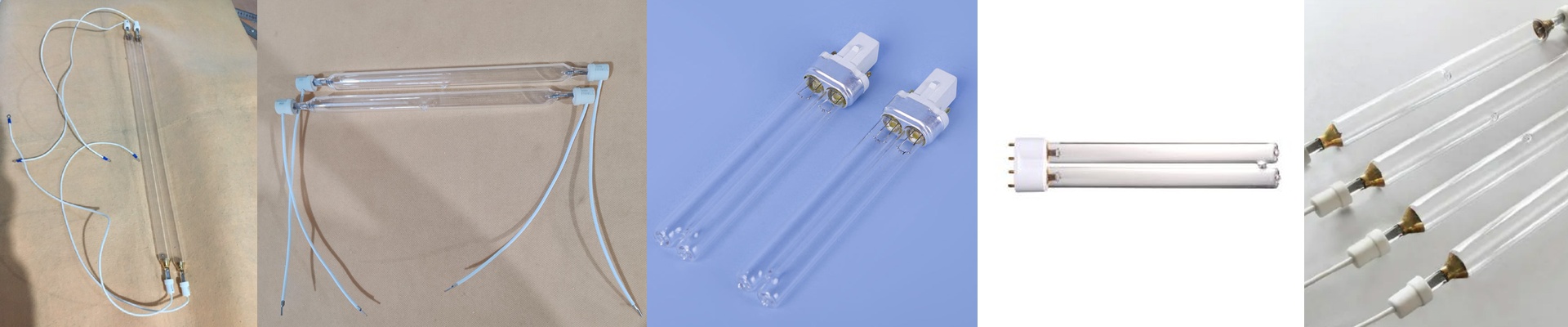
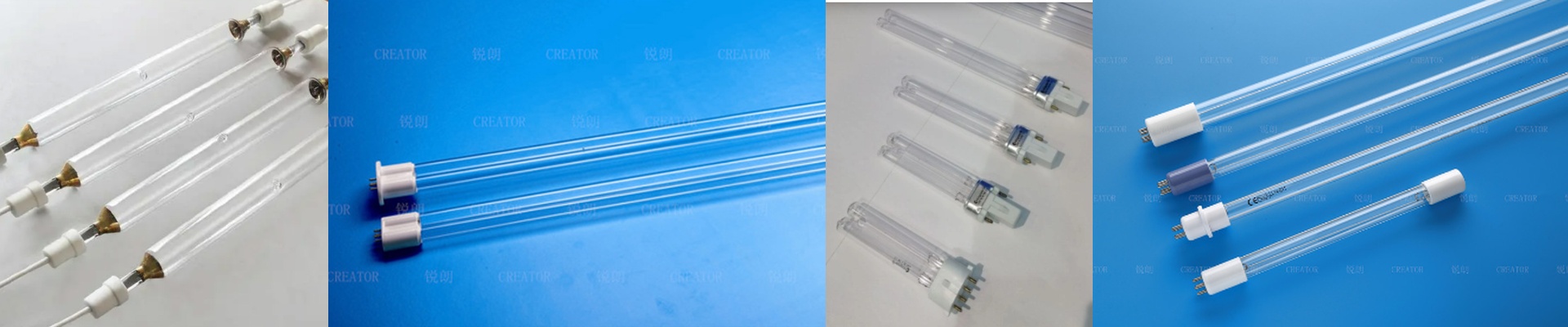
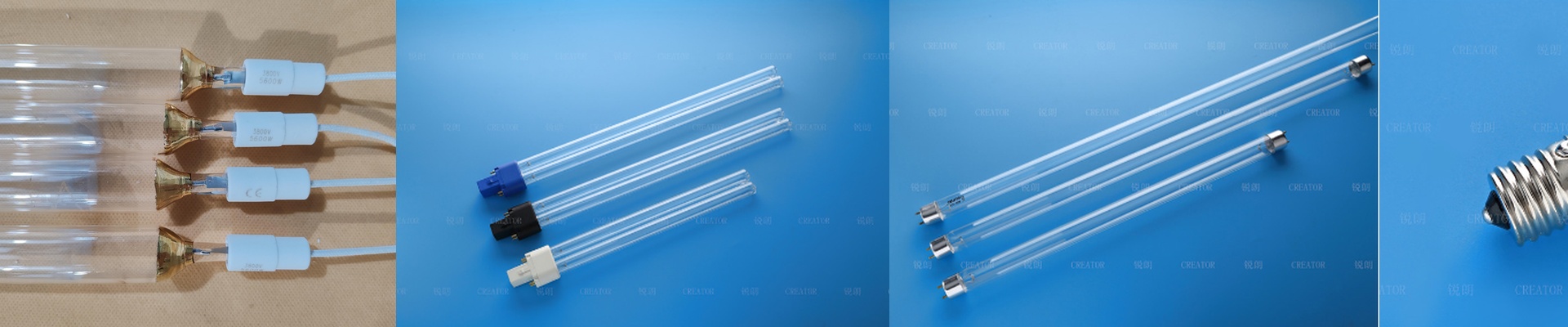
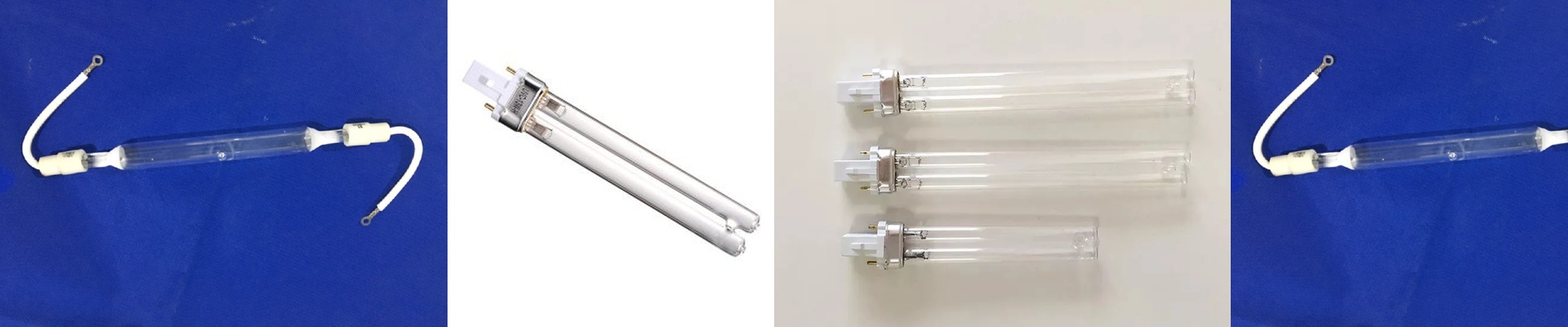
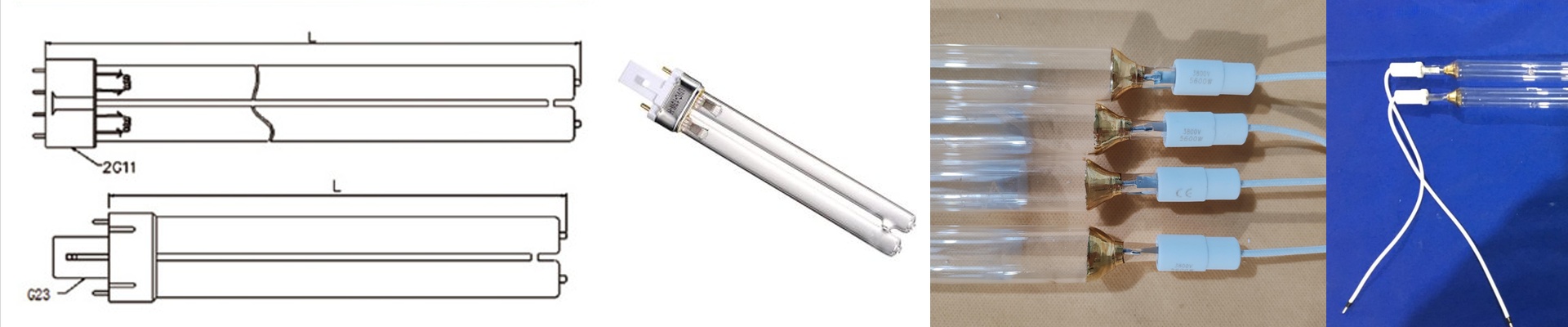
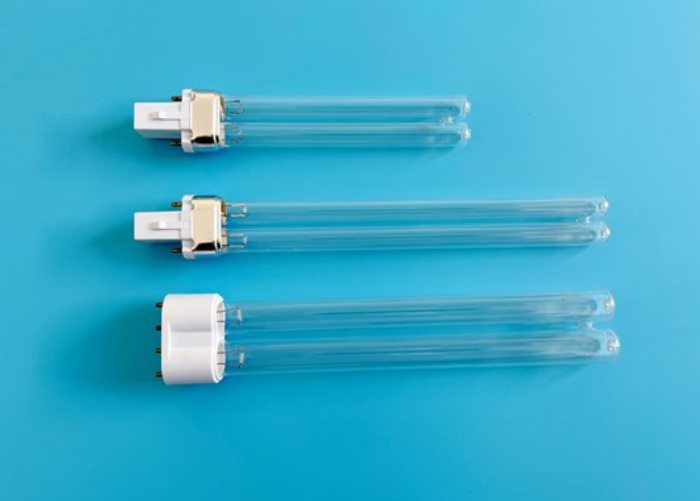
On the floor, the curing window is usually the bottleneck, not the press. You want to run 30% faster without adding square footage or another machine. The move isn’t a new line—it’s upgrading the UV module to put more usable energy in the same footprint. What matters under the hood We built this modular quartz mercury UV lamp around spectral output and peak irradiance. It holds a stable, high-intensity profile centered on 365 nm, and keeps the 385–405 nm tail under tight control to match photoinitiator absorption in UV inks. A dichroic-coated reflector pushes more usable photon flux onto the substrate, so you get higher energy density at the nip without raising lamp power. The quartz envelope holds UV transmission and thermal stability, so output doesn’t sag as the module heats up. We call out lamp life at the 5,000-hour mark, where output is typically above 95% of initial, and we rate peak irradiance at the focal plane so you can tie it back to your cure window. Why this upgrade moves the needle Drop in this modular lamp and you get more dose per pass, which shortens the curing time needed for full cross-linking. That means faster cycle rates on the same press, less dwell, and less heat load on the substrate. You’ll see higher throughput, better dot gain control, and fewer pinholes on thick films—because the spectral match and stable irradiance give uniform cross-linking across the width. Power draw stays inside the existing electrical envelope, so it fits the machine and the budget. The details that make it work Installation is modular, but alignment is the make-or-break. The lamp has to sit on the reflector’s focal axis to hit the specified irradiance curve; otherwise you lose edge cure and end up with uneven cure across the web. Make sure your power supply matches the lamp’s voltage and ignition requirements, and confirm your shutter cycle and airflow can handle the thermal profile. For best results, pair the upgrade with a radiometer—track mJ/cm² and verify cure thresholds on your ink set.