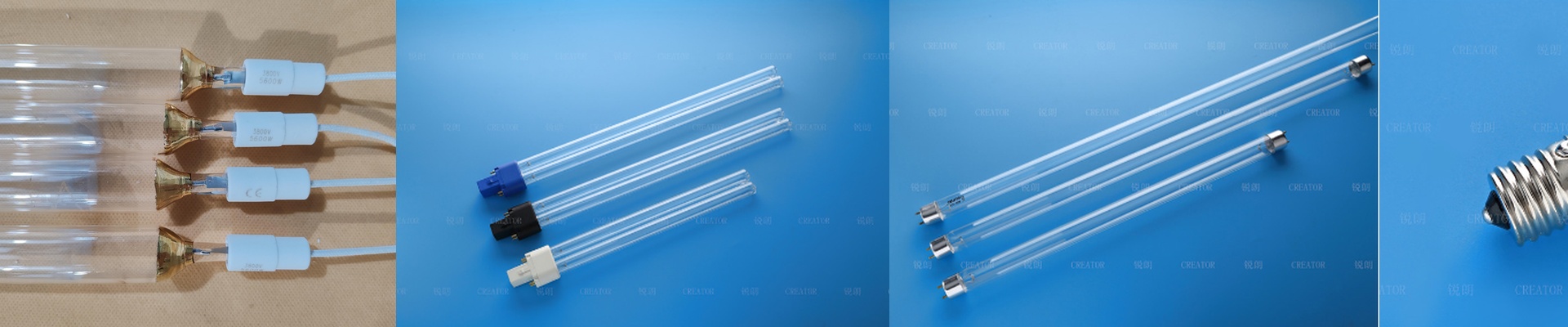
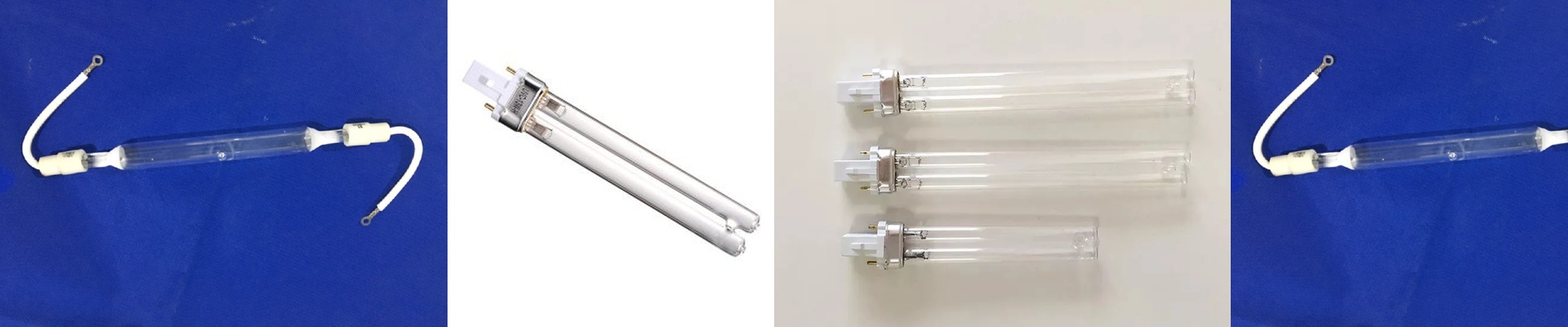
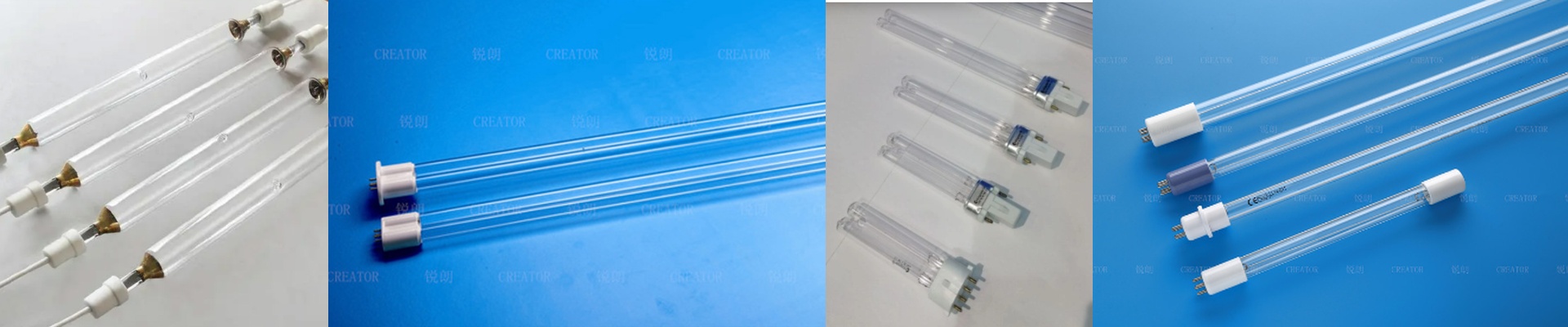
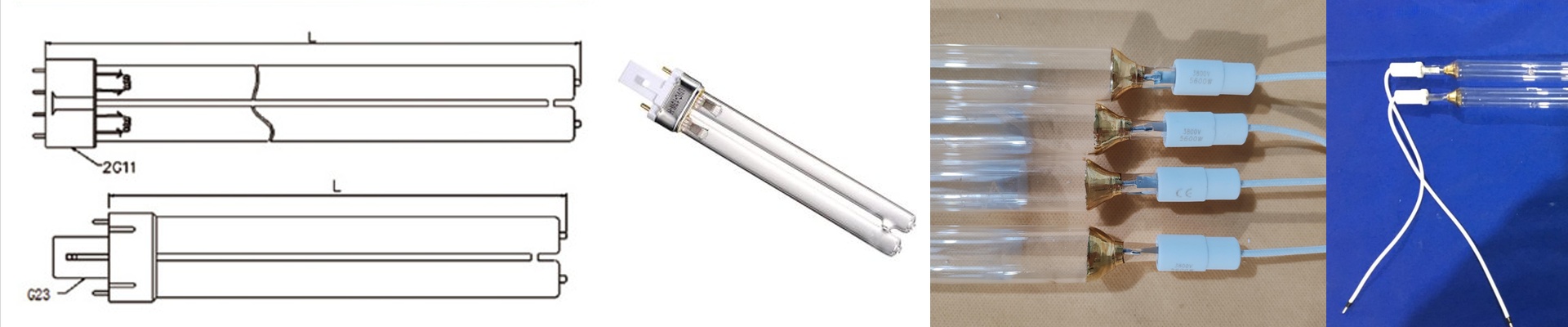
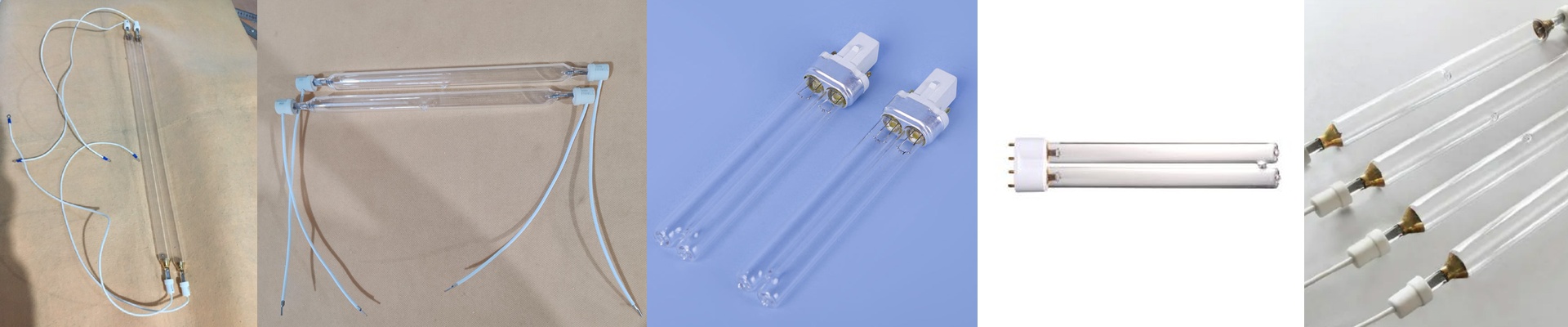
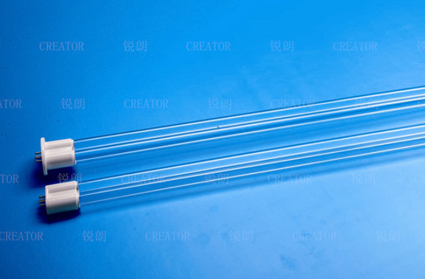
Out on the floor, a UV line goes down the moment the lamp won’t strike. The trigger and the lamp aren’t just components—they’re a matched set. When the impedance and ignition voltage don’t line up, the lamp hangs in limbo: it flickers, then dies. And that downtime bleeds ink, substrate, and the whole schedule. What matters under the hood Cold cathode UV lamps run at low pressure and hold a steady 254 nm output for germicidal action, and the UVC intensity stays consistent for curing. Their trigger needs are different than hot-cathode setups. We match the trigger to the lamp’s capacitance and electrode geometry so the ignition pulse climbs fast and clean—no excessive ringing. Peak irradiance holds across the life of the lamp, and spectral stability keeps photoinitiator absorption predictable. The lamp runs ozone-free, and the reflector geometry is tuned for uniform dose across the web. Why this pairing earns its keep When the trigger and lamp are aligned, you get repeatable strikes from the very first pulse. The system delivers on-demand curing—deep penetration through thick ink layers and full cross-linking, even on high-speed webs. Rejects drop, adhesion stays solid, and the surface cure stays consistent as line speed climbs. Energy use falls because the lamp hits target output quickly and holds it steady, and lamp life stretches out thanks to less stress on the electrodes. The details that keep you up at night Cold cathode lamps are picky about ballast and trigger compatibility. Check the driver’s open-circuit voltage, current limit, and pulse shape against the lamp datasheet. Get the connector type, lead length, and polarity right, or strike reliability starts to drift. Output will dip a bit as the lamp ages; run intensity checks with a radiometer at the web plane and keep spare lamps on hand for planned changeouts.