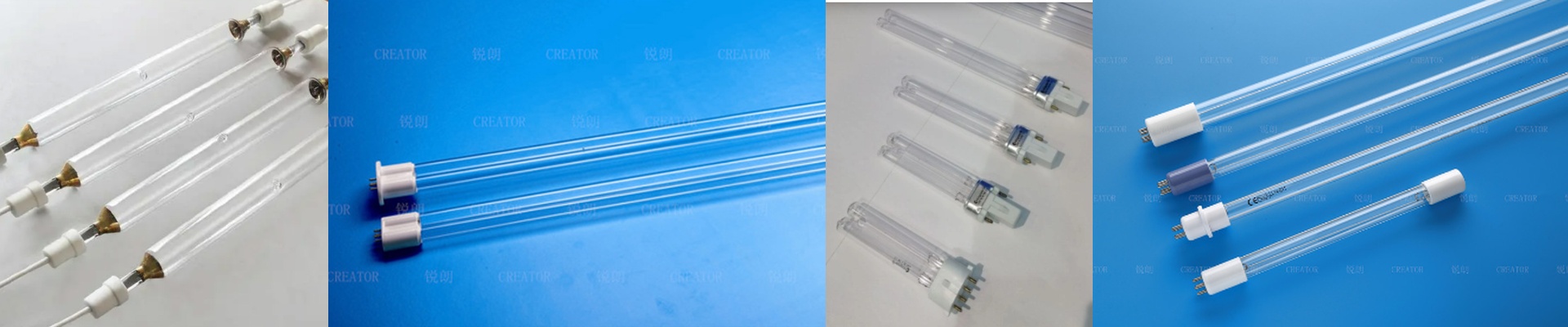
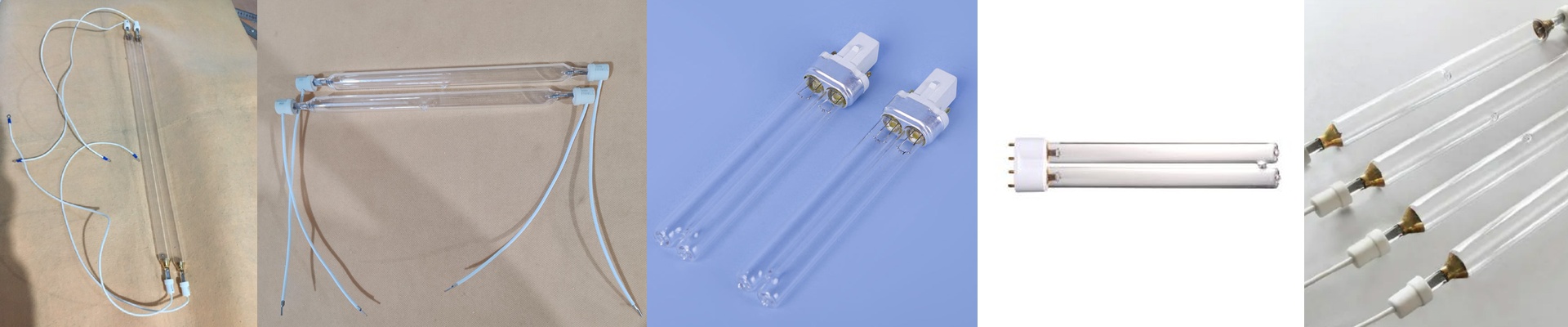
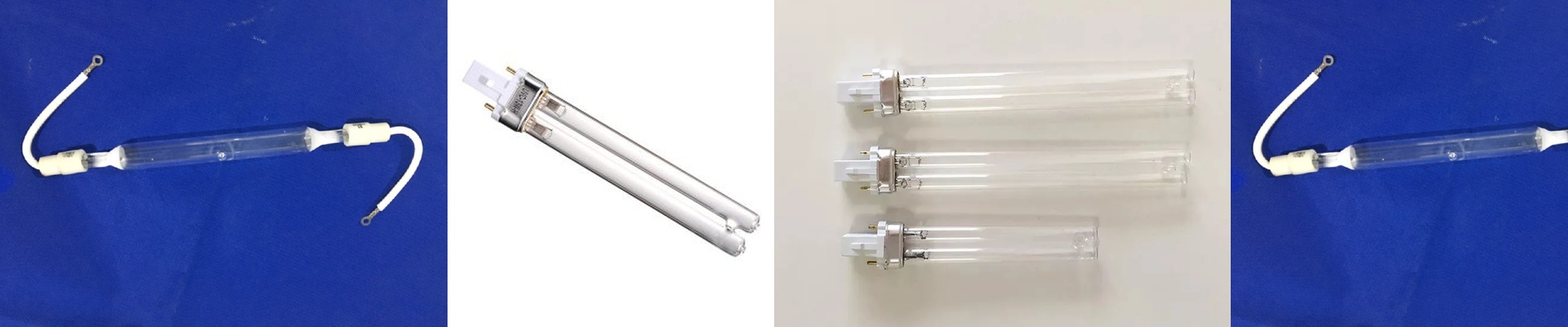
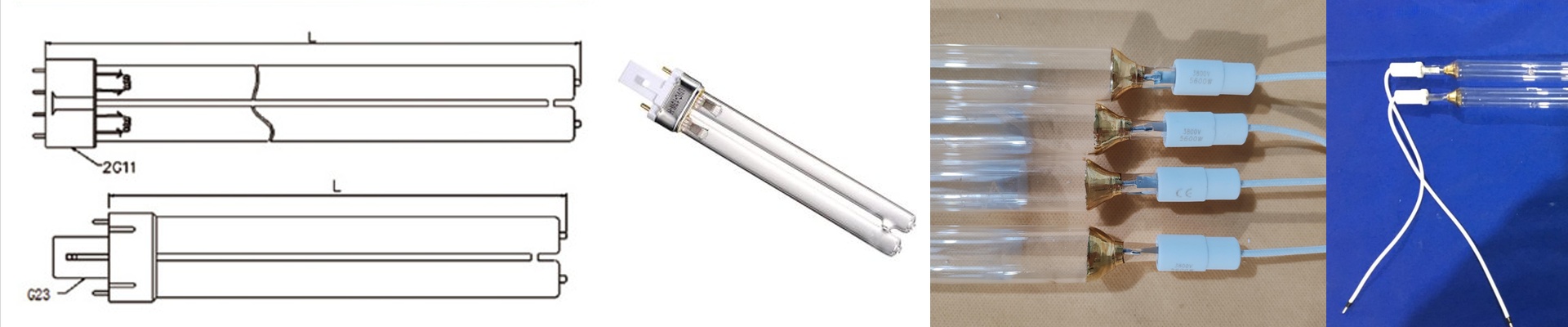
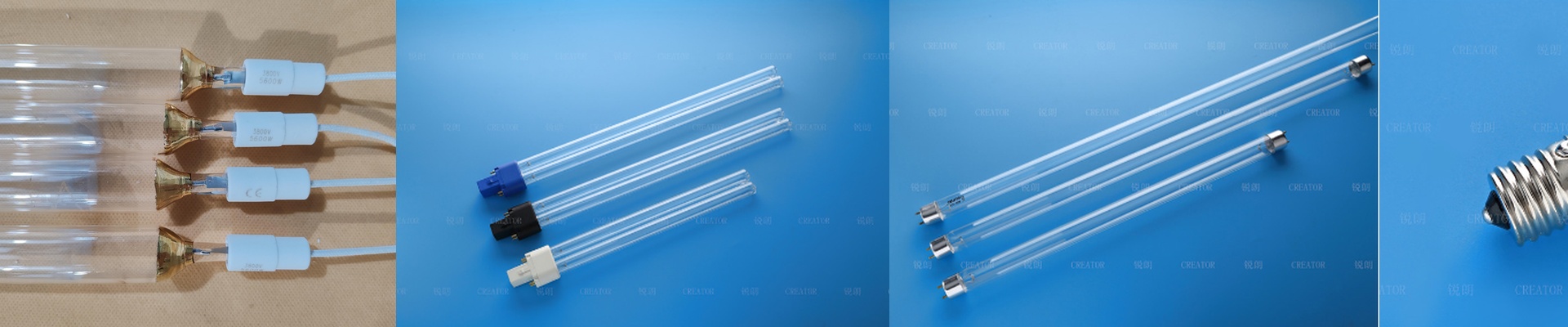
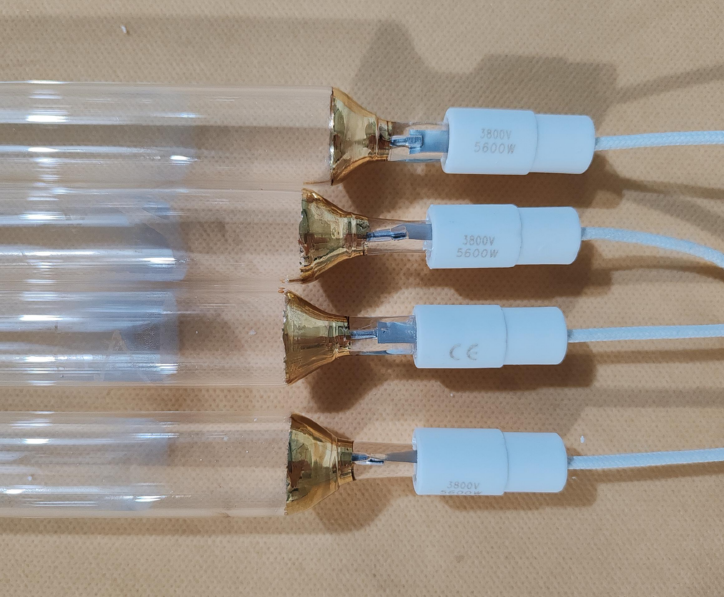
On an industrial disinfection line, you can’t afford drift. If irradiance wanders or the spectrum misses that DNA absorption peak, throughput and kill rates turn into a crapshoot. For wholesalers and system integrators, the real question isn’t just which lamp to spec—it’s how to lock in a repeatable, branded solution that behaves the same from one installation to the next.
What actually matters under the hood
We build industrial UV germicidal lamps around 254nm output, using high-purity quartz sleeves and a low-pressure mercury vapor discharge. Peak irradiance is specified at the working distance, and dose is simply exposure time times irradiance. The goal is stable output across the life of the lamp, with controlled end-of-life decay. Electrode design and fill pressure are chosen to survive repeated thermal cycling without giving up early. Reflector geometry and dichroic coatings are matched to the 254nm line. That keeps stray visible light down and concentrates energy where it counts.
Why this plays well in the field
OEM and brand authorization let you carry the performance under your own label, with consistent electrical and mechanical interfaces. That translates to quicker integration into existing cabinets and conveyors, fewer field tweaks, and commissioning that behaves the same every time. Stable spectral output keeps microbial reduction repeatable, and predictable lamp parameters make spares planning straightforward. Power draw is managed for typical industrial disinfection duty cycles, and the quartz envelope handles sustained on/off cycling without premature loss.
The details that bite you if you ignore them
Match lamp current and ignition method to the ballast. Mismatched drivers give you flicker, lower output, and a shortened lamp life. Check mounting clearances and cooling airflow. Quartz runs hot, and thermal management is directly tied to output stability. Confirm whether you need ozone-free or ozone-generating operation, and treat UV exposure as a real hazard. Interlocks, shielding, and proper PPE aren’t optional. Specify connectors and tolerances to match your equipment. If you need something different, we can provide custom terminations under the OEM program.