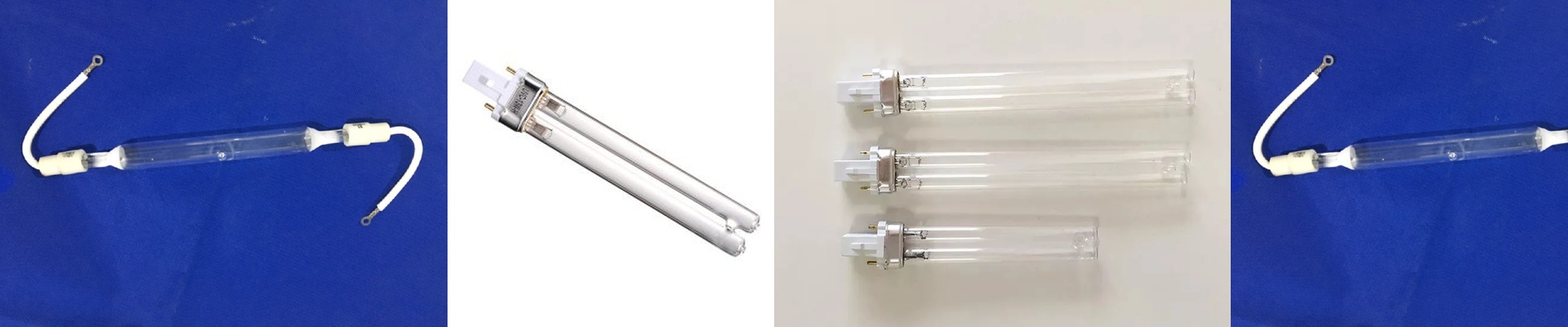
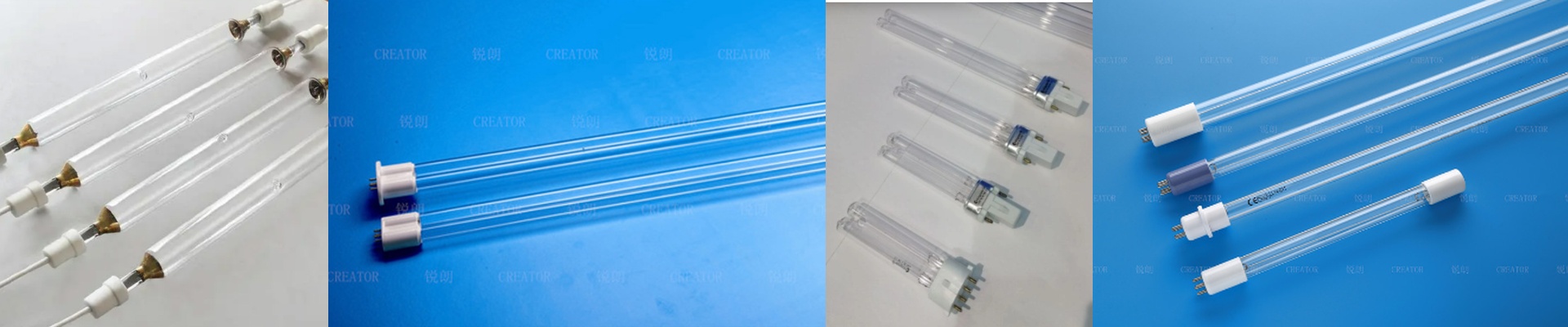
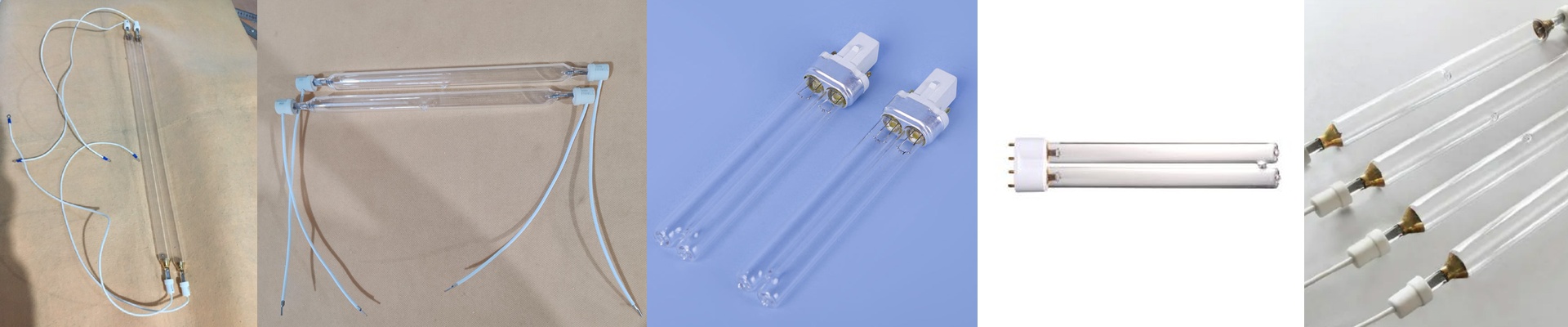
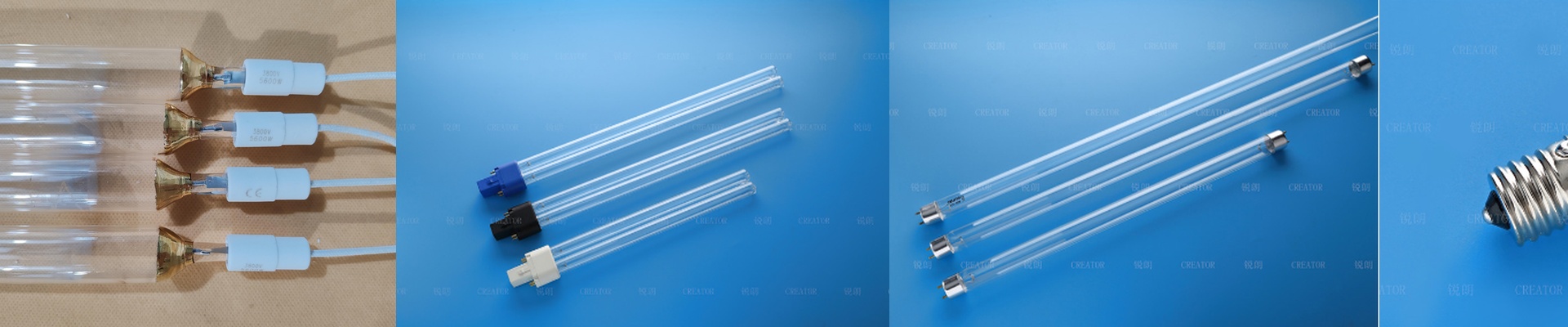
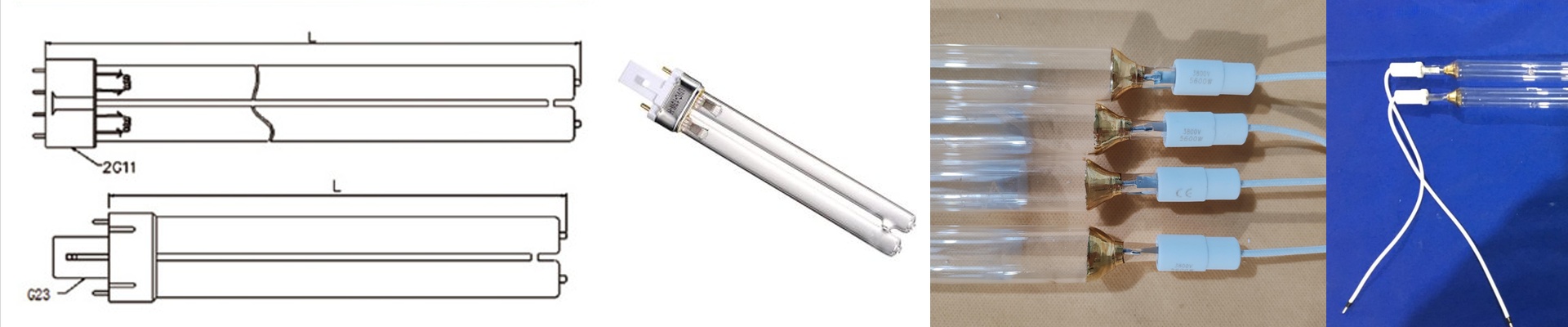
On the packaging line, one weak seam can turn a full pallet into scrap before it even leaves the dock. Cross-border logistics don’t forgive weak bonds—vibration, humidity, and temperature swings will find every under-cured coating and half-set adhesive. You need UV curing that gives repeatable energy, every shift. No guesswork. What matters under the hood We build our quartz glass transmittance UV lamps around high-purity quartz envelopes, and that keeps the spectral output steady across the mercury emission lines. You get dominant energy at 365 nm, plus stable output at 385 nm and 405 nm. That matters because the photoinitiators in packaging inks and coatings only respond to specific wavelengths. Keep the spectrum consistent, and cross-linking stays uniform—first print, last print. The system holds peak irradiance within tight tolerance, and output decay is low. Units routinely run 5,000+ hours with less than 5% drop. A dichroic-coated reflector concentrates energy onto the web, so you raise curing energy density without dumping more heat into the press room. Why this works in real production In high-speed packaging, the cure window has to keep up with the press speed—not the other way around. Stable UV output gives you consistent surface cure and through-cure, so coatings and adhesives stand up to abrasion and delamination during handling. That repeatability cuts rejects from inconsistent adhesion, supports higher line speeds, and keeps energy use predictable. The payoff is packaging that survives the logistics chain—fewer damaged cartons, fewer returns, and fewer line stoppages. What to watch for on the floor High quartz transmittance demands strict lamp alignment and clean reflector surfaces. Misalignment and a thin film of dust will drop effective irradiance faster than lamp aging does. Go ozone-free, and confirm compatibility with your press: lamp housing, power supply, and cooling flow. Expect higher initial output than legacy lamps, then a flat degradation curve. Plan lamp replacement around scheduled maintenance, not emergency downtime.