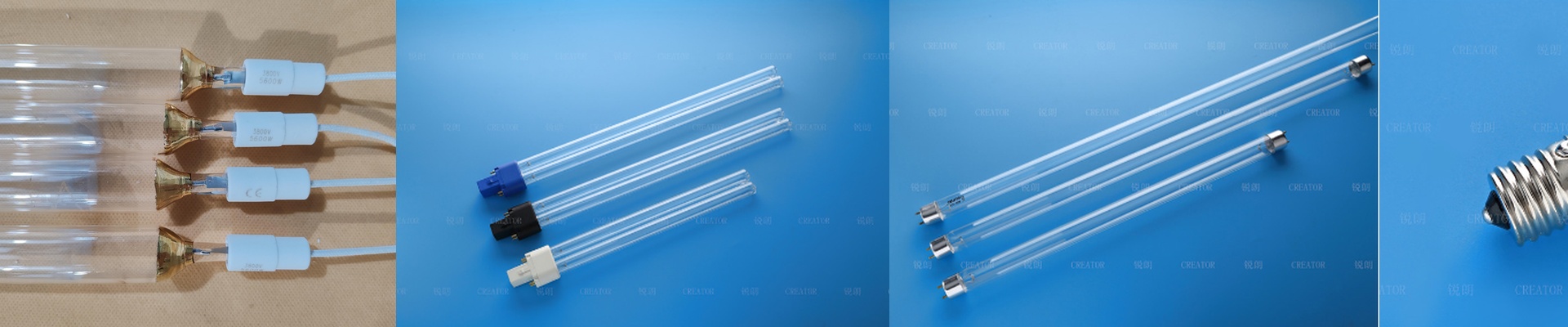
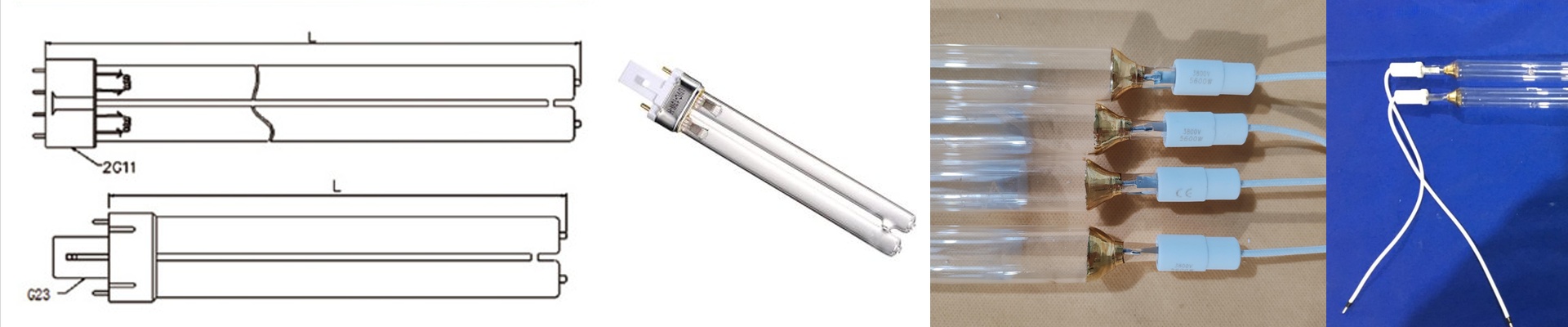
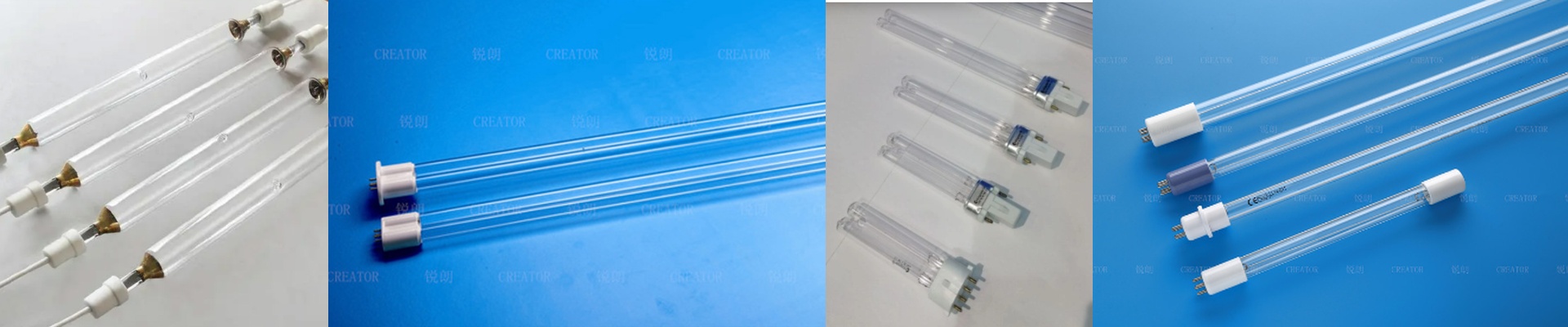
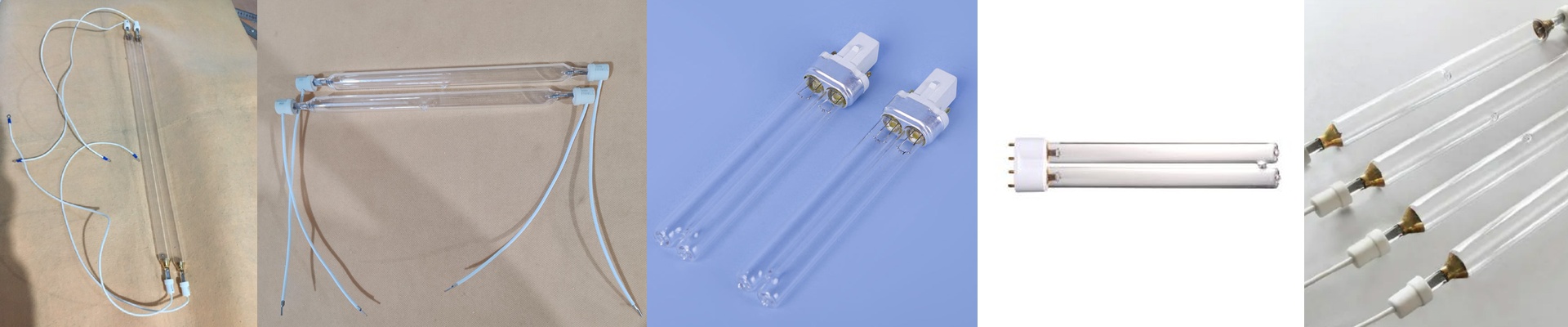
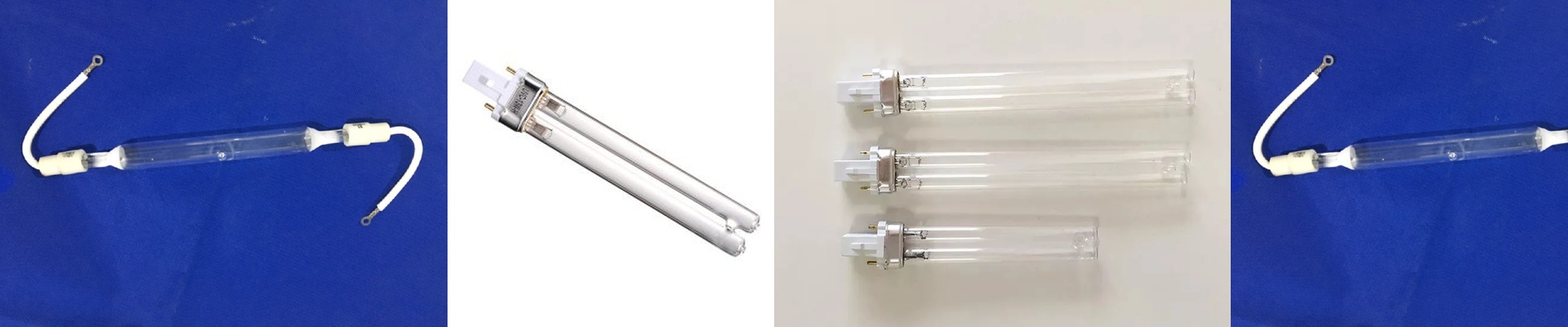
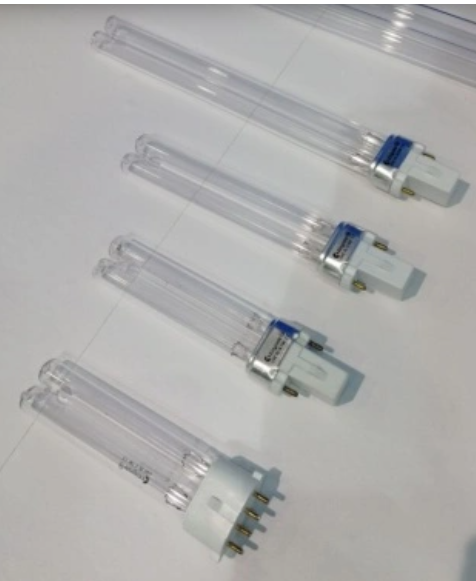
Stop letting a UV lamp crash shut down your screen line. Unplanned downtime eats margins, and it makes any serious tracking of UV lamp consumption a pipe dream. Fixing this isn’t just about swapping in a replacement lamp. It’s about moving to a curing system built around measurable, repeatable performance. What matters under the hood We build our UV gallium lamps around the chemistry of screen inks. The spectral output is centered on a stable 365nm wavelength, tuned to drive photoinitiator decomposition and cross-linking fast. Peak irradiance hits 2,000 mW/cm², giving you the energy density needed for a full cure at line speeds up to 200 fpm. Power density stays at 120 W/cm, so throughput remains consistent even on thicker deposits. The lamps run a dichroic reflector system to squeeze out spectral efficiency, and the quartz envelope is ozone-free. Output stability holds within ±3% across the life of the lamp, rated to 1,500 hours. Why this plays on the shop floor That technical profile turns into steady, trackable operation. When performance is predictable, you can shift from reactive replacement to predictive maintenance. Log operating hours against measured output, and you finally get a reliable UV lamp consumption ledger. That data lets you schedule lamp changes during planned downtime, not in the middle of a production emergency. Fewer stops, consistent ink adhesion, and a lower energy cost per cured square meter. Here are the practical details These lamps demand precise ignition and solid cooling. The system has to match your printer’s power supply and reflector geometry so the arc sits where it should. Double-check your power connections and the cooling airflow specs. We provide the lamp, but peak performance only shows up when the whole curing module is aligned to the unit’s operating parameters.