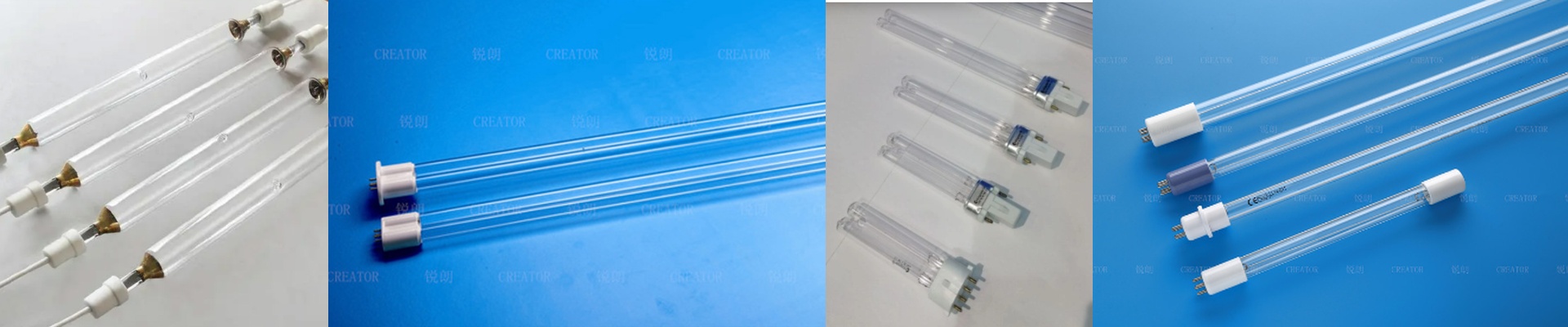
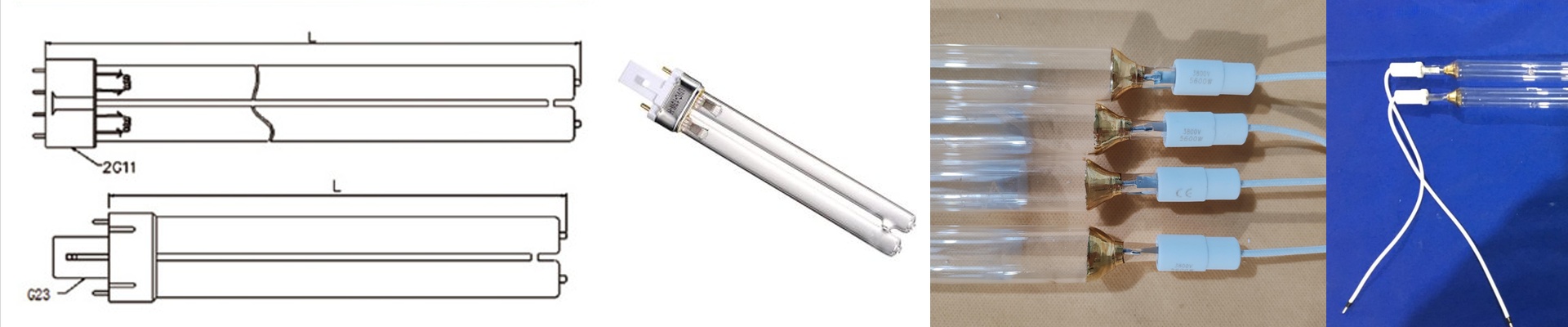
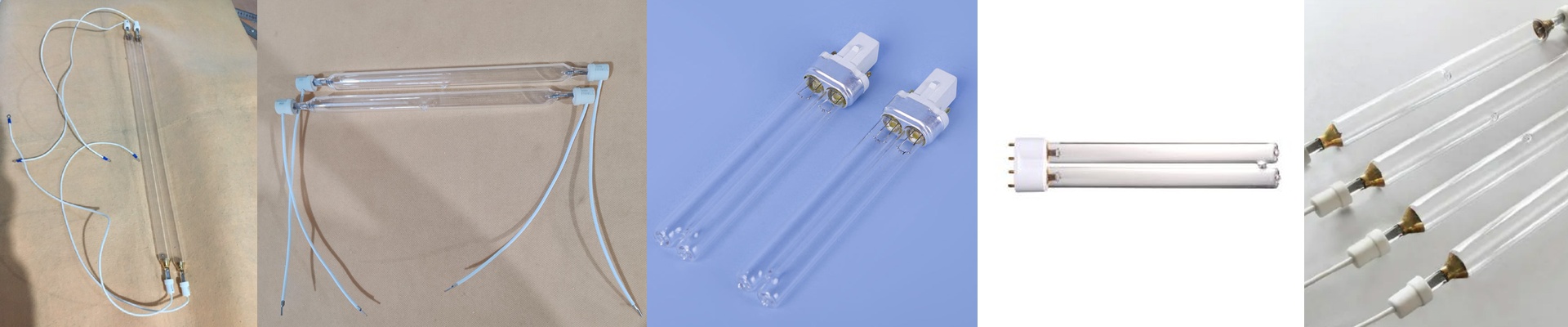
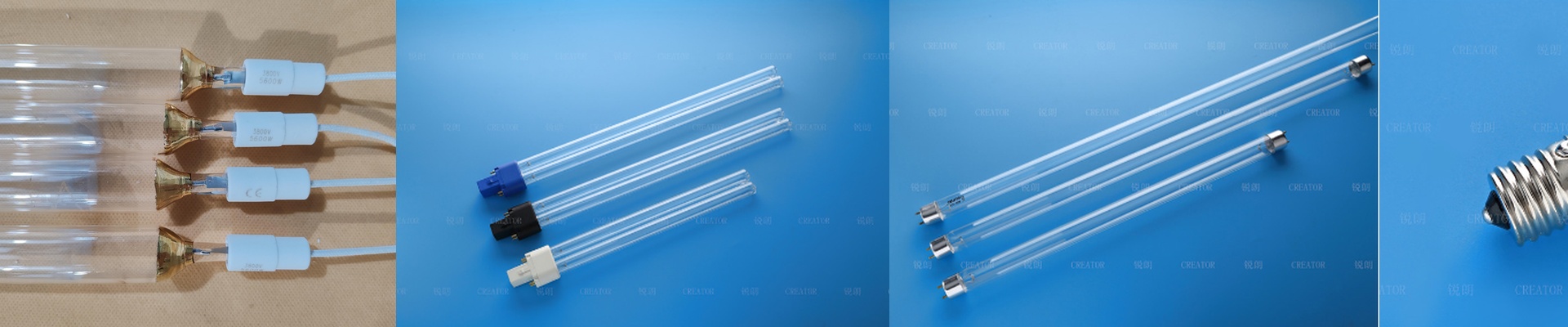
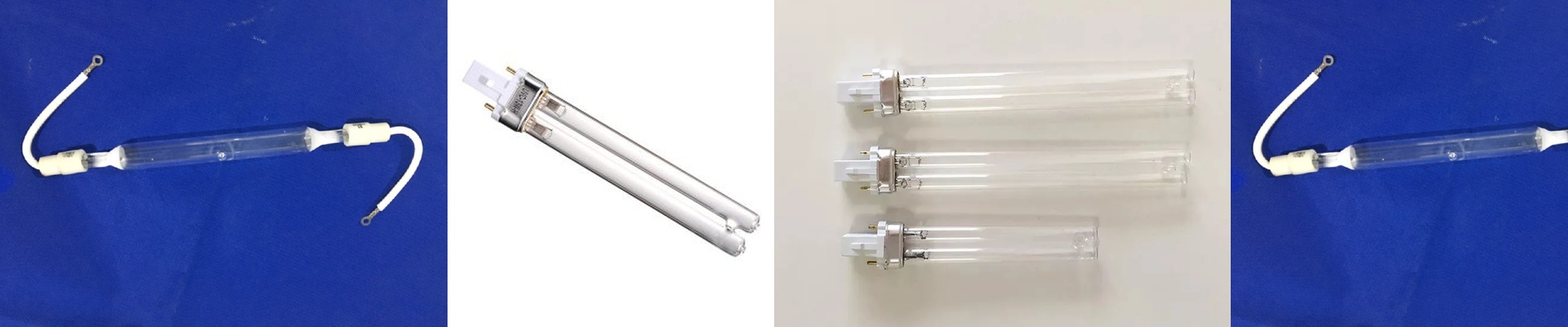
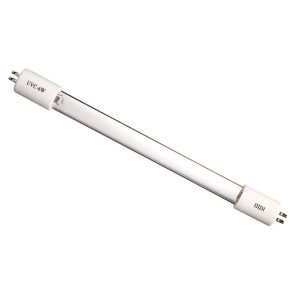
On the floor, the curing line sets the pace. If the conveyor stops because the ink stays tacky, you lose throughput, burn substrate, and watch your margins evaporate. The real question is straightforward: how do you get “spray-and-dry” behavior in screen printing without throttling the press? You do it with a UV lamp that’s built for high-speed response and stable spectral output. Here’s what actually matters, technically. We build the systems around low-pressure mercury vapor lamps. They give you the primary germicidal peak at 254nm, with 365nm as an option when you need photoinitiator cross-linking. Forget marketing language — output is measured in mJ/cm². A stable dose comes from a reflector with dichroic coating and a ballast that holds current even when line voltage jumps around. That’s what buys you complete polymerization. Peak irradiance is the other half of the equation, because it dictates how fast the energy hits the ink. Match high peak irradiance to your ink’s photoinitiator absorption, and you get instant surface cure plus deep penetration, without cooking the substrate. Why this plays so well in screen printing. The press has to run at line speed. Our lamps come up fast, so the first printed pass is cured before the next pass starts. No more waiting between passes. Dot gain drops, and color register stays tight. The payoff is continuous production: faster cycles, fewer rejects, and less solvent load in the air. And in medical sterilization, that same 254nm output hits DNA and RNA hard, delivering verified microbial reduction without chemicals, without heat, and without long dwell times. A few shop-floor notes. Installation is straightforward, but thermal management is not optional. Check airflow in the fixture and make sure the reflector is aligned — if it’s off, you lose dose and you’ll start seeing hot spots. Before you integrate, confirm electrical compatibility: voltage, connector type, and ballast matching. Plan for lamp end-of-life. Output declines gradually, so schedule replacement around the 8,000- to 9,000-hour mark to keep dose within spec. If the chamber is air-cooled and vented near operators, specify ozone-free quartz.