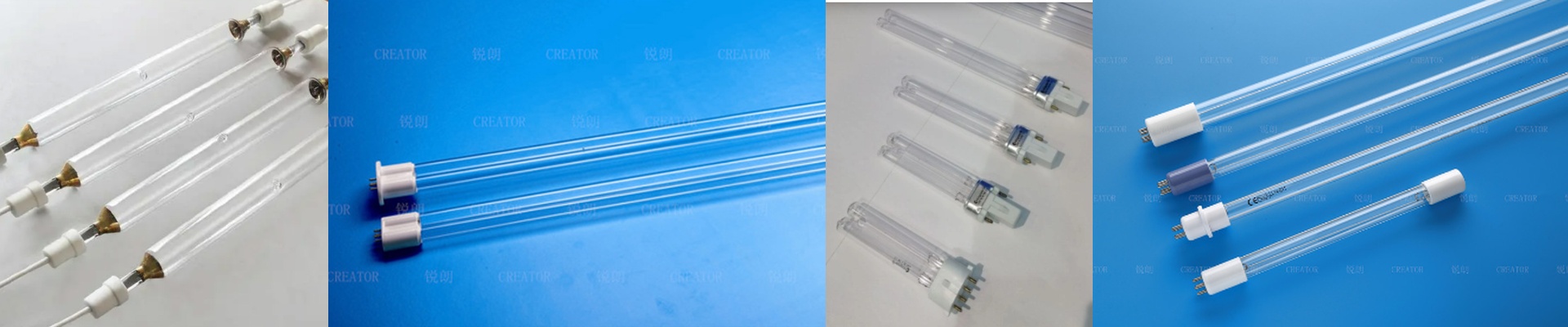
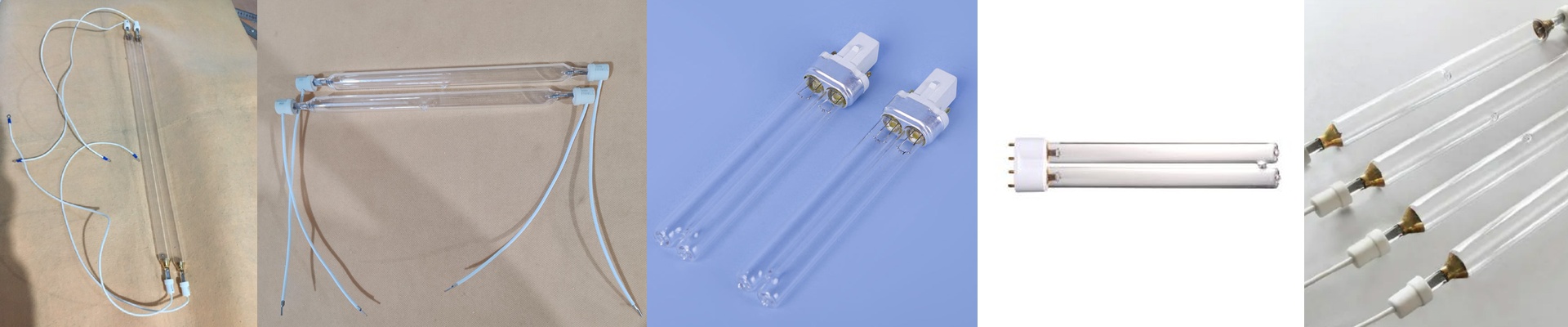
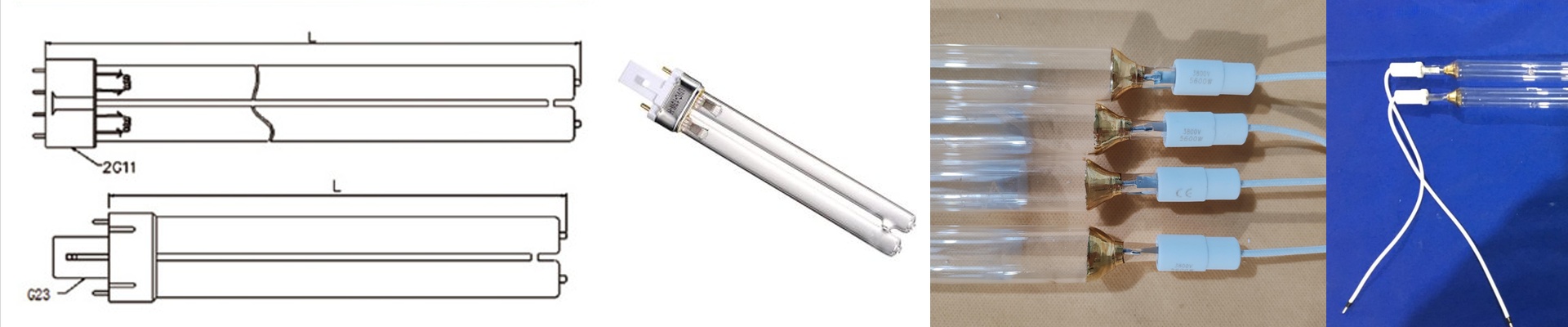
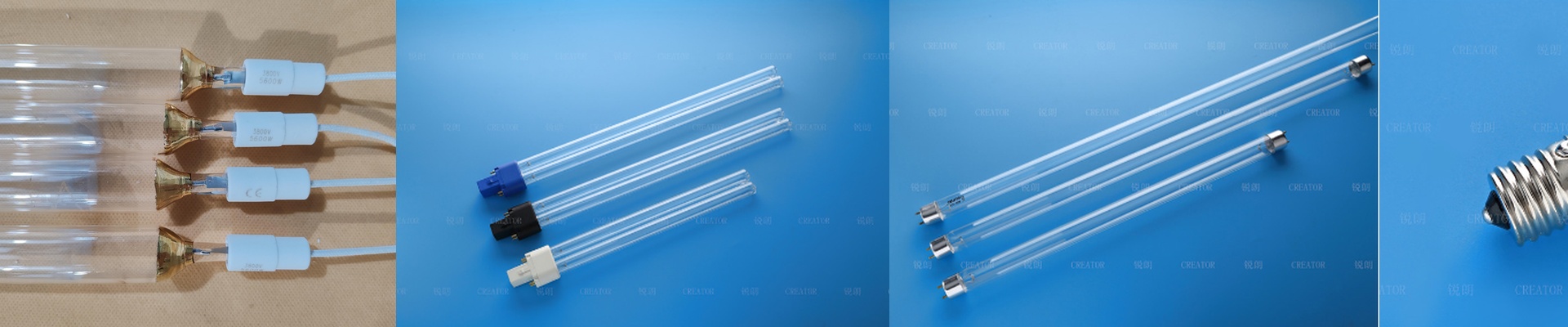
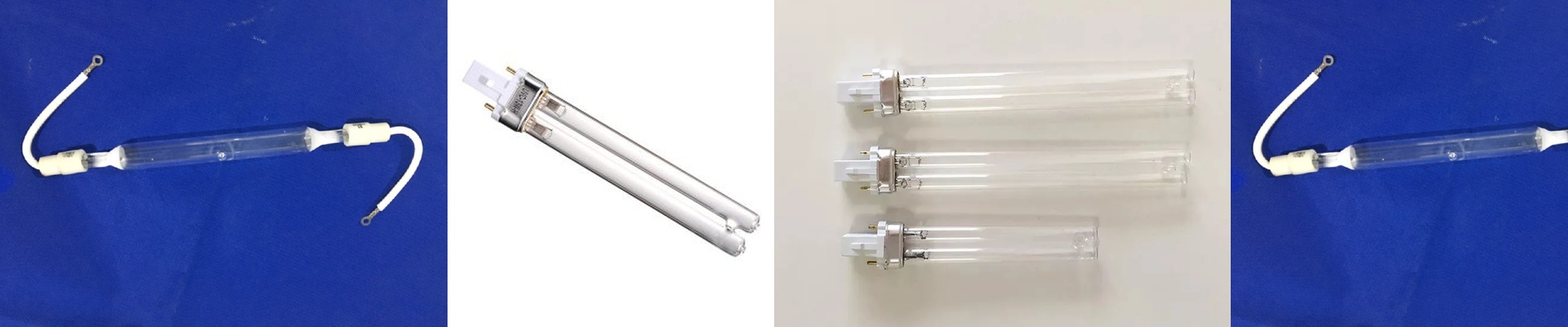
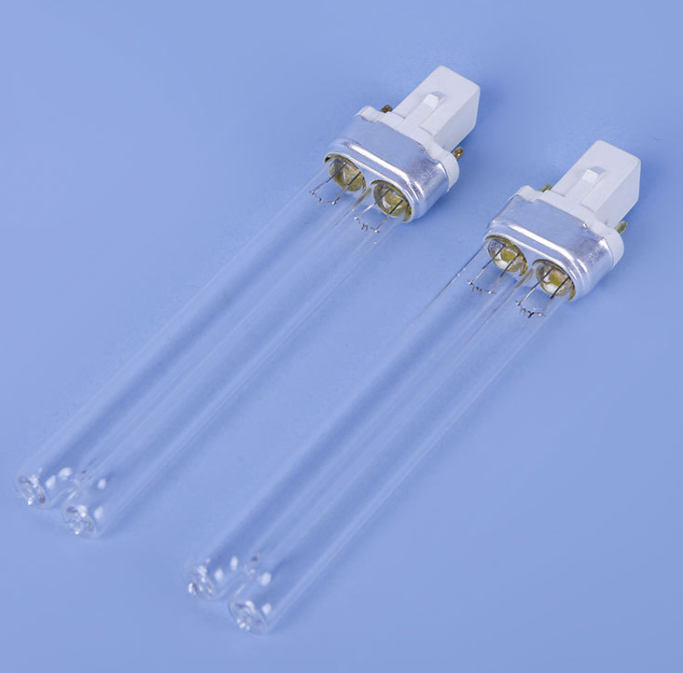
On the floor, metal and glass jobs don’t forgive a weak cure. Under-cured ink on stainless, anodized aluminum, or tempered glass isn’t just a cosmetic miss—it delaminates when you handle it, when solvents hit it, and when heat hits it. And the failure isn’t guesswork. It shows up as low cross-link density, incomplete photoinitiator conversion, and adhesion that folds the first time you bend the part or wipe it down. What actually matters, technically With tough substrates, adhesion comes down to getting enough photon flux into the ink film to drive full polymerization before that film cools off. High-pressure mercury vapor lamps give you broad-band UV with real punch around 365 nm—exactly where a lot of free-radical formulations absorb efficiently. Keep the arc stable, pair it with a high-reflectance dichroic reflector and a quartz window that transmits the short wavelengths, and you can hold peak irradiance above 12 W/cm² at the substrate plane. That intensity translates to curing energy density in the 800–1200 mJ/cm² range in a single pass at typical press speeds—enough to push through surface oxides and micro-roughness and build a cohesive, cross-linked network. LED systems give you spectral control, commonly at 385 nm or 395 nm, and the output is stable. But their irradiance is typically lower, so you often end up running slower speeds, adding multiple passes, or laying down thicker ink films to hit the same cross-link conversion on low-energy surfaces. Why this approach fits metal and glass Adhesion on metal and glass isn’t just “making contact.” It’s mechanical keying plus chemistry. High-intensity mercury lamps deliver short-wavelength photons that penetrate deeper into the ink layer, activating photoinitiators through the whole film—not just at the surface. The payoff is through-cure that resists chipping, solvent attack, and thermal cycling. You can run higher line speeds without stacking more lamps, and the broad spectrum plays nicer with pigmented and opaque inks that are sensitive to specific wavelengths. Energy density lands predictably, so you can set a window—say 900–1100 mJ/cm²—and keep adhesion consistent shift after shift. Here are the practical realities you have to manage Mercury lamps bring serious irradiance, but they also throw off a lot of heat. Keep an eye on substrate temperature, especially with thin glass and coated metals, or you’ll invite warping and interfacial stress that can still kill adhesion. Lamp output drops over time, too. Track irradiance with a spectral radiometer and plan replacements around 1000–1500 hours to keep your dose stable. LED modules run cooler and have longer electrical life, but they still demand tight thermal management at the array—and on thick, pigmented inks you may have to back off the speed. Either way, match the spectral output to the ink’s photoinitiator package, confirm peak irradiance at the actual working distance, and validate adhesion with cross-hatch and solvent rub tests under real production conditions.