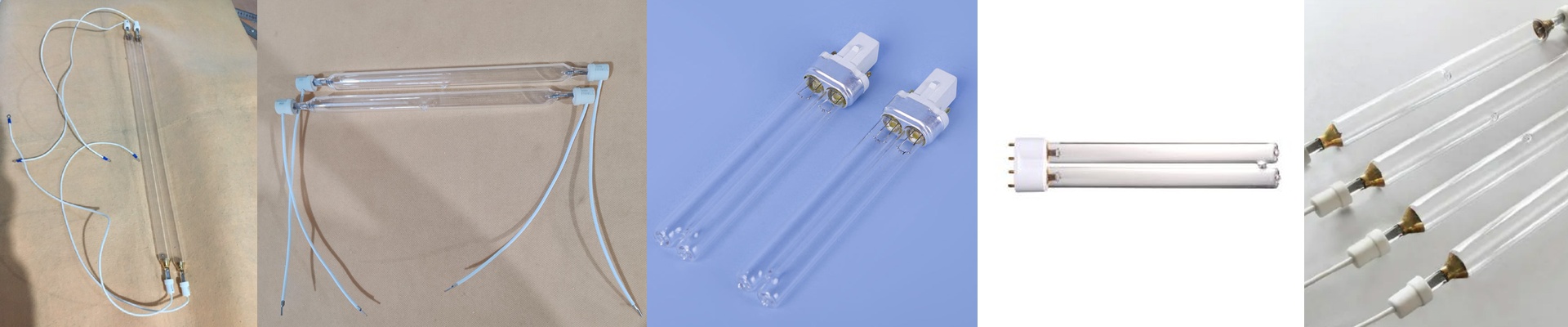
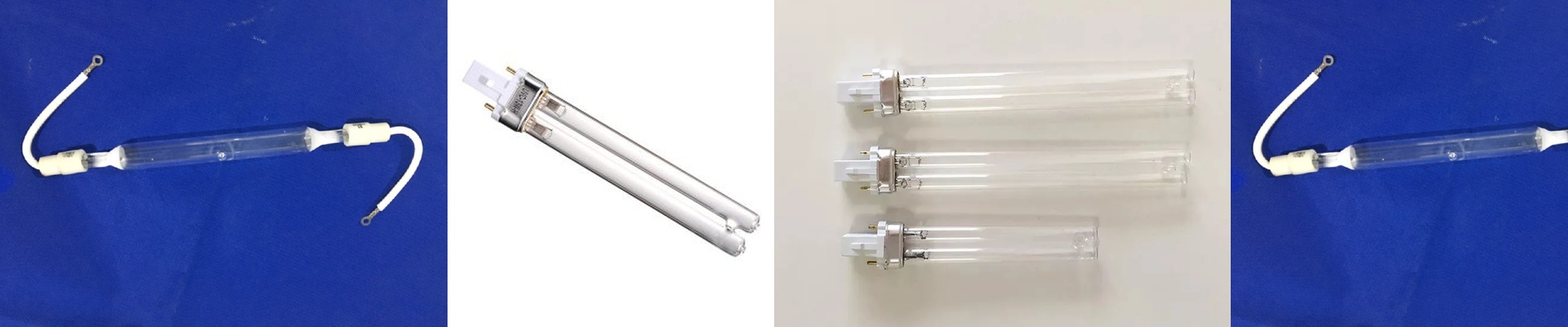
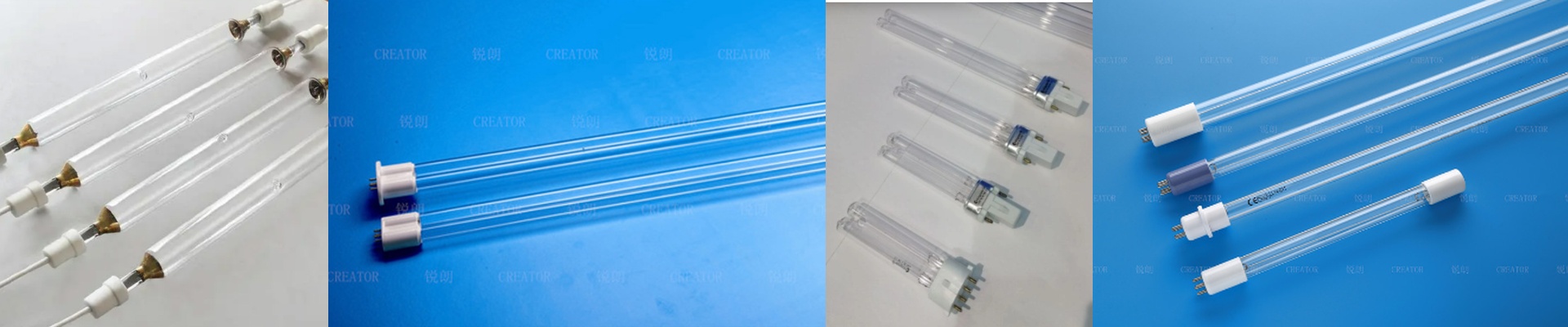
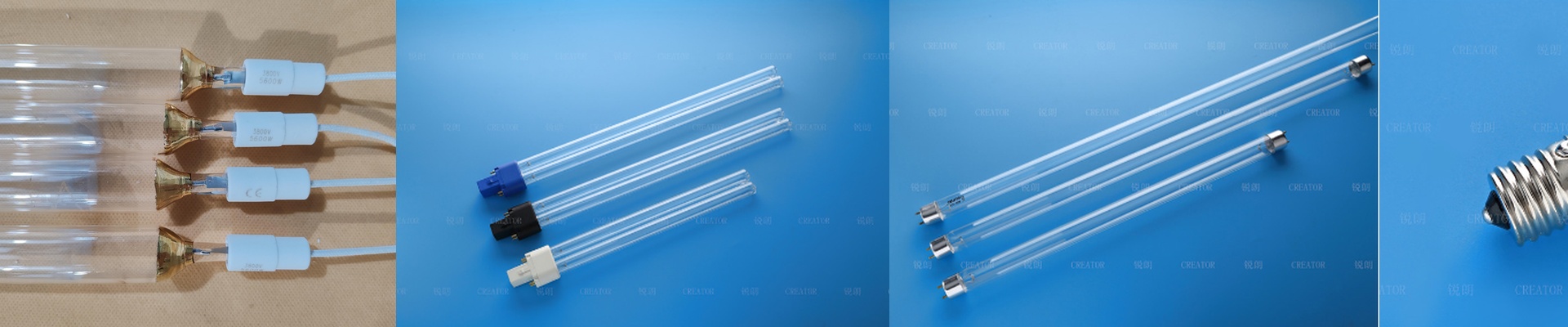
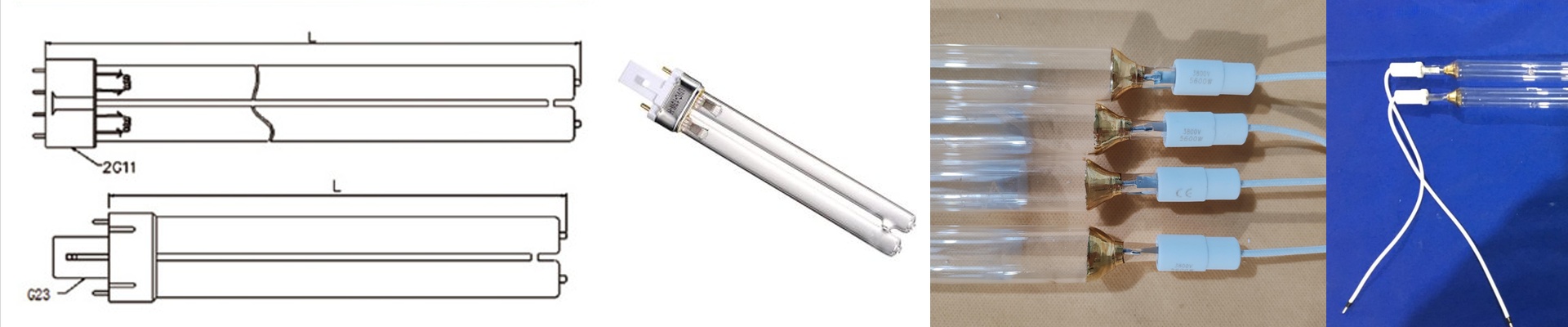
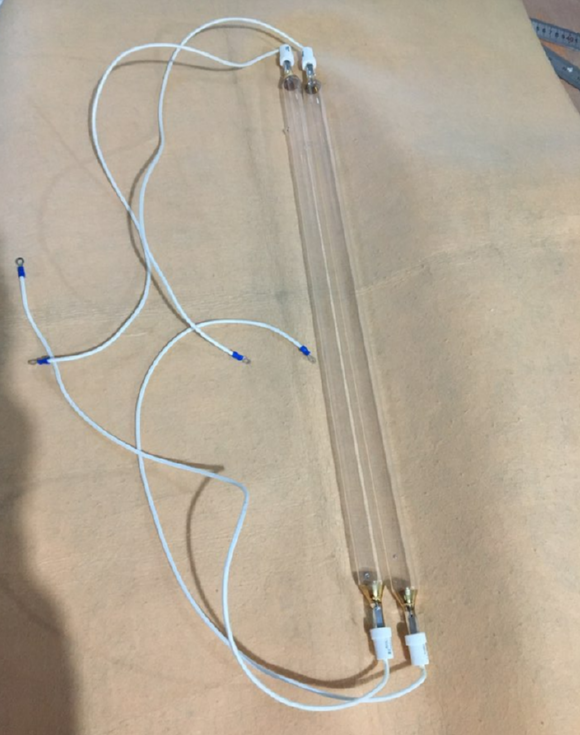
In lab-scale photochemistry, you live and die by how well you control the irradiation. Spectral purity is what makes the work repeatable, and broadband sources just don’t cut it — they dump in extra wavelengths that throw off reaction kinetics and eat into yield. So you go with a purpose-built medium pressure mercury arc lamp. It’s engineered to give you a clean, stable spectral output, not a shotgun blast across the band. The heart of it is the mercury vapor pressure, held right where it needs to be. That gives you high-intensity emission lines at 365 nm, 405 nm, and 436 nm. From there, a proprietary dichroic reflector system scrubs the strays and concentrates peak irradiance on those target bands. What that means on the bench is a steady photon flux that lines up with the photoinitiator’s absorption. You get predictable cross-linking and cleaner reaction pathways. The quartz envelope keeps UV transmission high and handles the heat, so spectral integrity holds up over thousands of hours. That control hits the real problem head-on: keeping the reaction honest. You keep rates tighter, cut down side products, and stop spectral artifacts from contaminating your data. Stable output means less batch-to-batch variance, which is exactly what you need for process validation. Energy goes where it matters, not scattered across the spectrum. Installation comes down to the optics. The lamp output is directional, so you have to align it precisely with the reaction vessel and the reflector assembly to hit the irradiance profile you’re after. These lamps have long service life, but the operating position is fixed. Rotate or misalign it even a little, and the spectral dose to the sample shifts — and the experiment integrity goes with it.