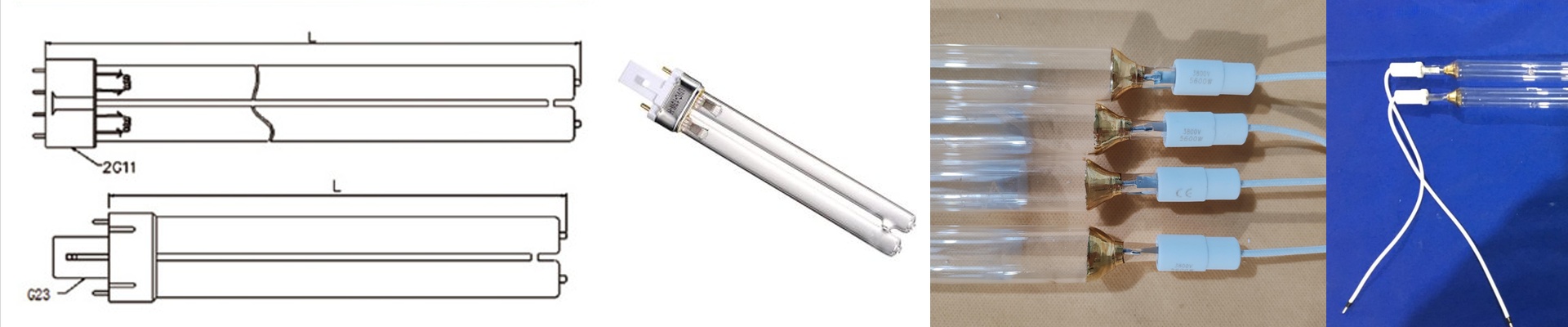
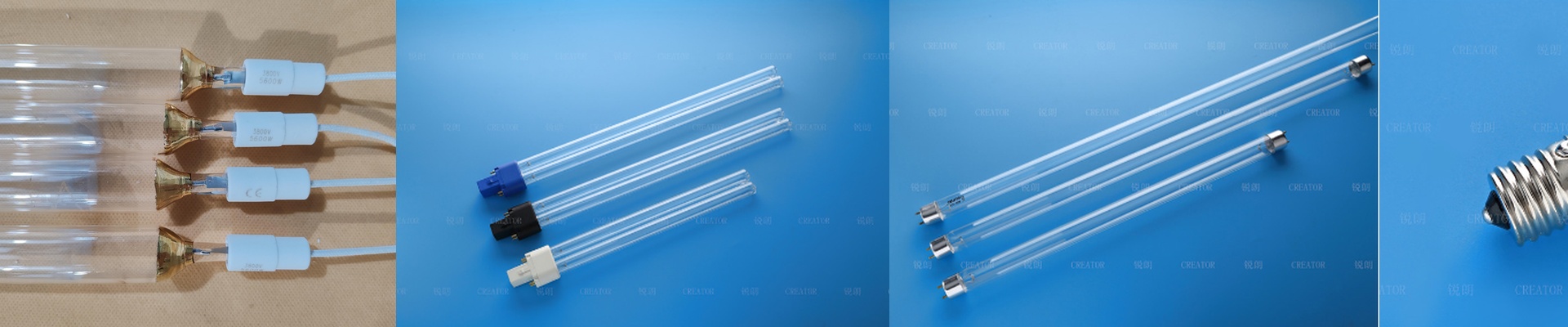
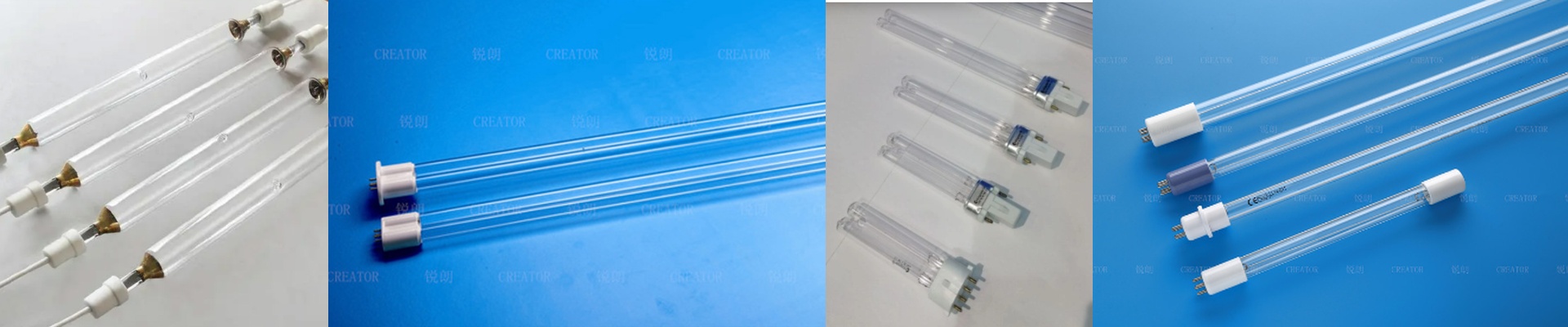
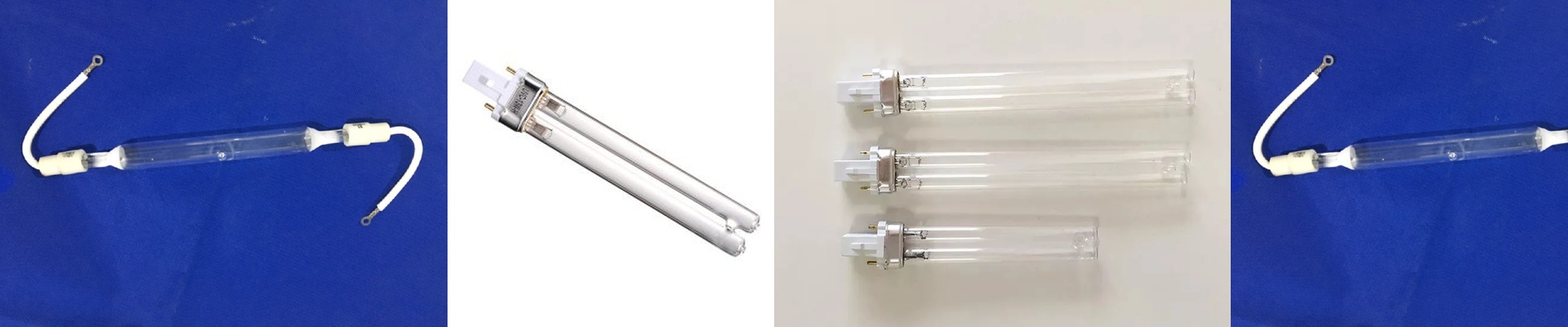
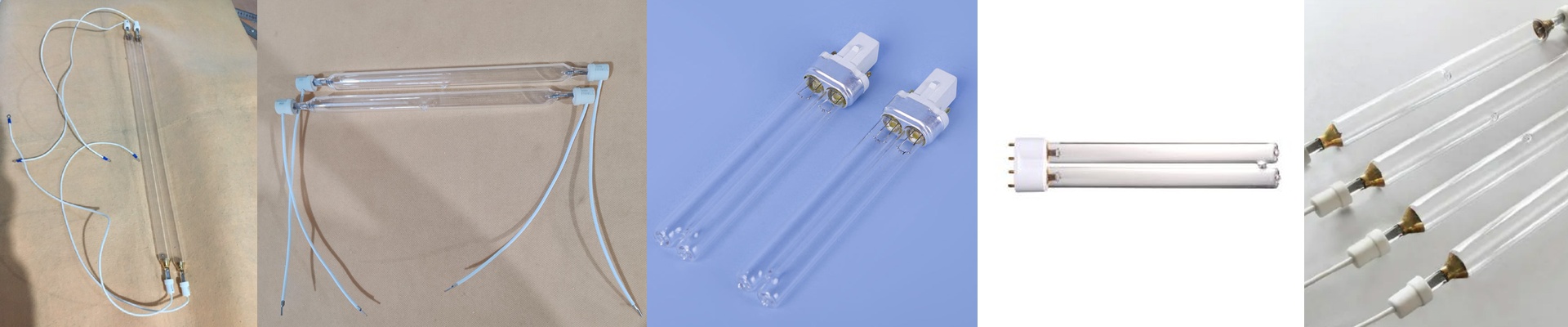
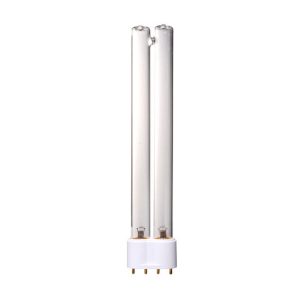
On the press floor, the varnish line doesn’t stop so you can swap a lamp. When a high-pressure mercury lamp dies mid-run, you don’t just lose a minute—you lose time that piles up as scrap, rework, and missed deliveries. We built our mercury UV lamp for varnish around a modular, quick-change design that gets the line back to full output in under two minutes. No touching reflectors. No rewiring. No recalibrating the cure window.
What matters, technically
We start with a high-pressure mercury vapor lamp engineered for varnish curing. Its spectral output is stable and peaks in the UVA band, right where most varnish photoinitiators absorb. That puts the energy where the formulation cures best, so you get efficient cross-linking across thin films and a consistent surface cure without overheating the substrate. In practice, the key parameters are set for real running conditions:
- Peak irradiance at the substrate plane is tuned to deliver enough photon flux for rapid initiation.
- Delivered energy density (mJ/cm²) is repeatable job after job, so cure depth and surface gloss stay within spec.
- Reflector geometry and dichroic coatings are matched to the lamp’s spectrum, cutting wasted IR and putting more usable UV intensity onto the web. The system is built around a modular interface. The lamp, reflector assembly, and connector come as one field-replaceable unit. Connections are keyed and pre-aligned, so the module seats in the same position every time. That keeps focal distance and dose consistent after a swap—no drift that shows up as tackiness or orange-peel. We define lamp life by output stability, not just hours. As mercury vapor pressure and electrode geometry change over time, we track the spectral curve and set end-of-life by a measurable drop in usable intensity at the target wavelengths. That catches the slow slide into under-cure before it starts coming back as rejects.
Why this works on the press
Varnish curing on industrial offset, flexo, and screen lines needs intensity that hits hard at ignition and stays there across the run. Our mercury lamp holds stable output temperature and arc geometry, so the first sheet cures the same as the thousandth. That stability keeps you from chasing the cure by over-dosing, which wastes energy and can stress heat-sensitive stocks. The modular quick-change design goes straight after downtime. When a lamp goes down, you swap the whole module—lamp and reflector together—without pulling the curing unit off the press. The sequence is repeatable: power off the lamp, release two latches, drop in the replacement, confirm ignition. Under two minutes, every time. No re-aiming. No reflector handling. No recalibration. That matters because varnish lines often run at high speed, where even short stops create waste and can throw off color on subsequent passes. Fast recovery keeps throughput up and cuts down on the short-stopped sheets that end up scrapped or reworked. You also get even spectral distribution across the web width. Reflector alignment is fixed by design, so edge dose matches center dose. The payoff is uniform gloss and cross-link density, with fewer rejects from inconsistent cure.
The details you’ll want to check
The system needs a compatible interface at the curing station. We supply the module with mounting dimensions and connector types common on presses, but some older lines may need a simple adapter plate. If you’re retrofitting, confirm the mounting footprint and electrical interface before you order. We run ozone-free, so the lamp envelope cuts off the short-wavelength tail that creates ozone. That reduces ventilation load around the lamp, but it also shifts the spectrum slightly compared with ozone-producing lamps. If you’re running a varnish that leans on shorter wavelengths, validate the photoinitiator absorption against the delivered spectrum during trial runs. And like any high-intensity mercury UV lamp, output depends on stable power and operating temperature. You’ll get the best performance when the lamp runs within its rated voltage tolerance and the cooling airflow stays unobstructed. Push it outside the thermal window and you shorten lamp life and lose spectral stability. If your goal is keeping varnish lines running with minimal interruption and repeatable cure, spec a mercury UV lamp built around a quick-change modular platform. Measure the output. Track the downtime. The numbers will do the talking.