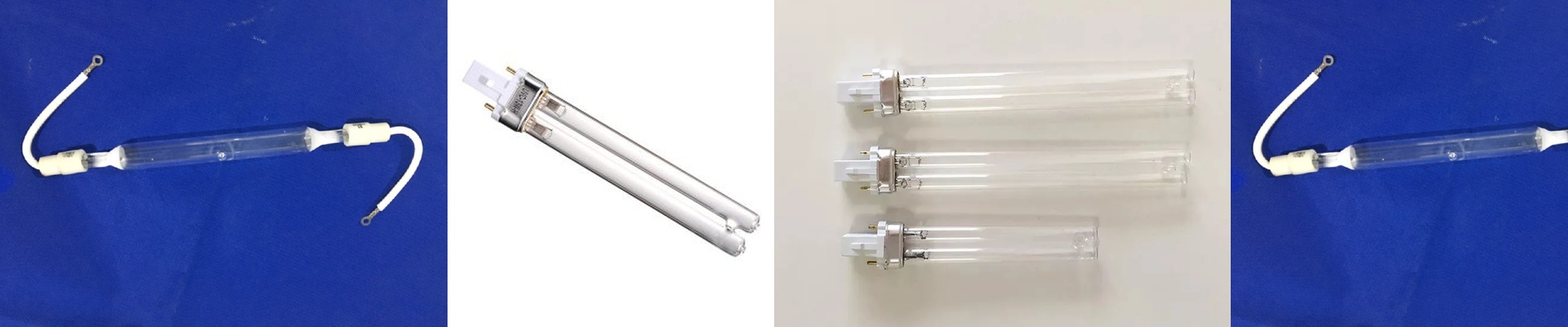
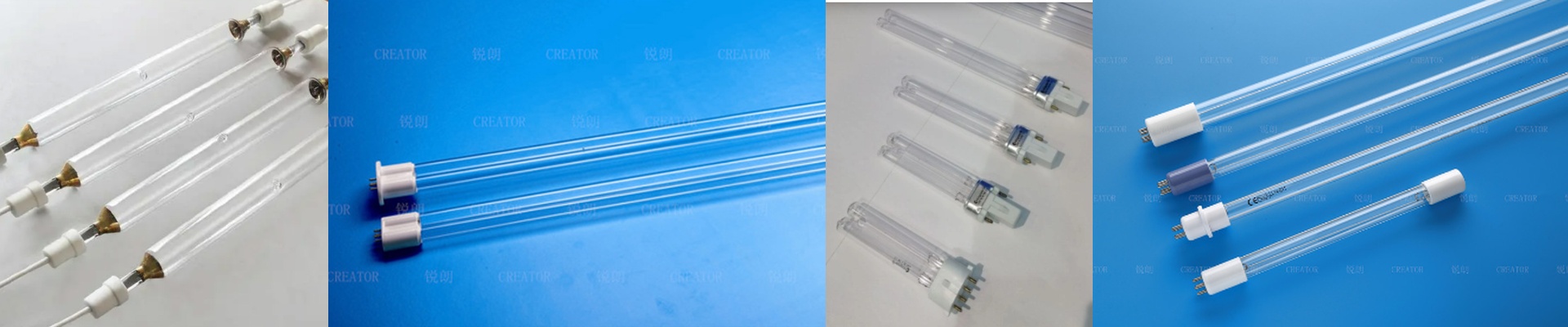
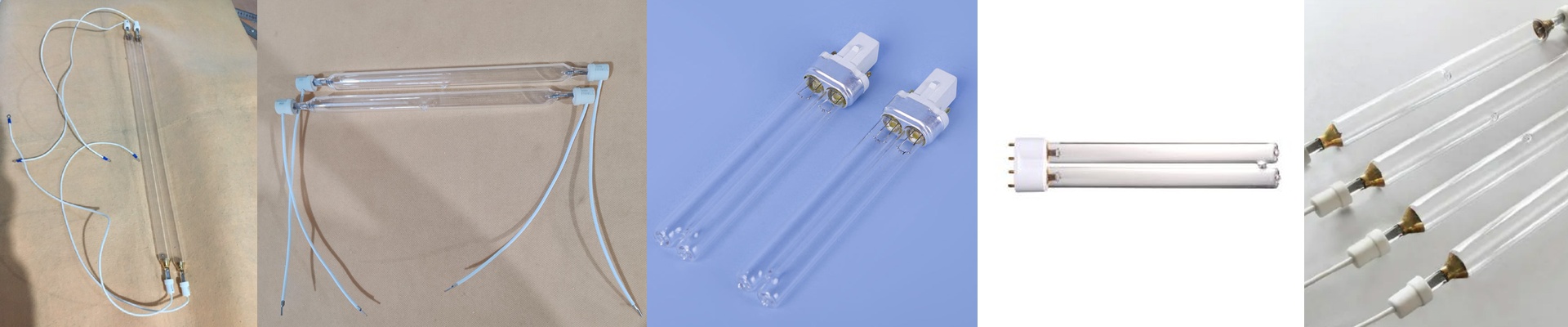
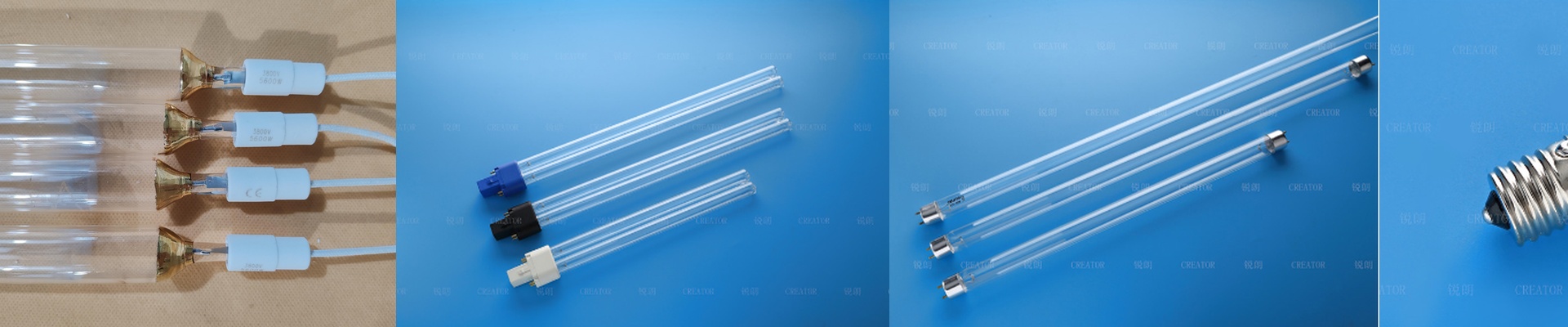
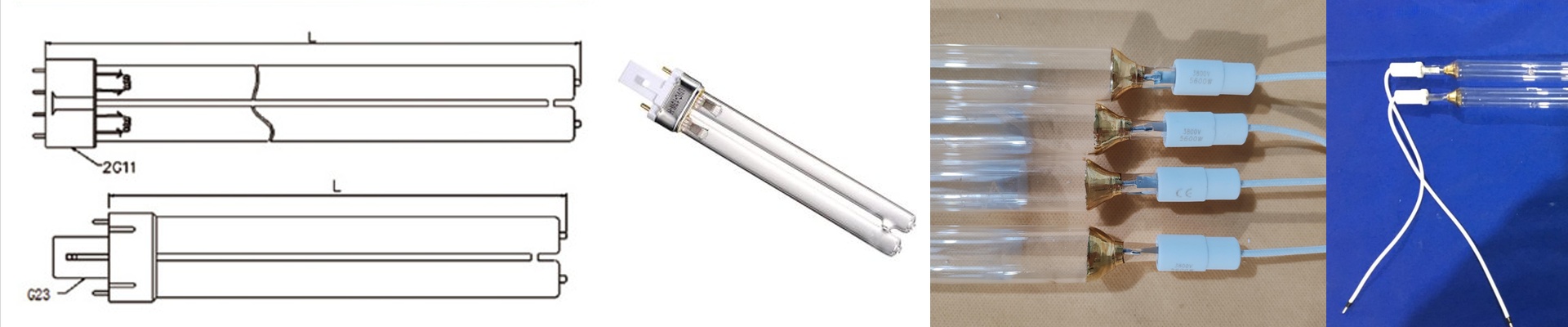
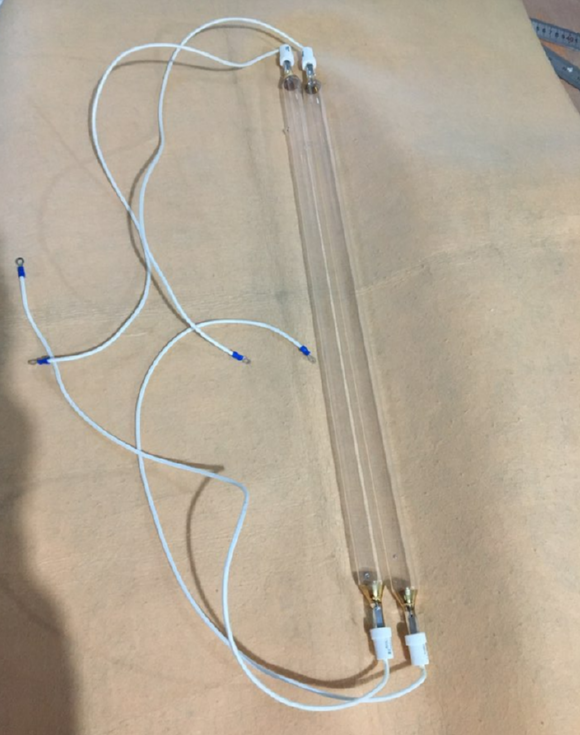
On a shop floor running multiple large-format presses, the electrical noise is relentless. VFDs, PLC cabinets, and long power runs throw off conducted and radiated interference that can tug at lamp current and mess with spectral output. When UV intensity drifts, cure depth goes sideways—inks tack, adhesion tests fall apart, and makeready time blows up. We built our high-power UV emitter to keep curing steady, even with that kind of electrical chaos in the background. What matters, technically It’s a high-intensity mercury-vapor lamp, built for industrial duty cycles. You get stable spectral output centered on 365 nm for standard UV ink photoinitiators, with additional lines at 313 nm and 436 nm for photopolymer systems. Peak irradiance at the substrate plane hits ≥ 12 W/cm², thanks to a focused elliptical reflector and a dichroic coating that cuts IR heat load. The power supply uses active EMI filtering and line regulation to hold lamp current within ±1%, even when the mains swings. That keeps intensity and wavelength stability within ±2% over the arc life of 5,000+ hours. Ozone-free operation comes from a synthetic quartz envelope and a dedicated air-cooling channel that keeps junction temperature below the thermal limit. Why it holds up in a real press hall When several machines are running, cross-talk between drives can make conventional lamps flicker. Cure energy shifts, and operators end up chasing density. Our emitter’s filtered drive stage rejects common-mode interference, so intensity stays flat even when nearby VFDs switch. The payoff is repeatable cross-linking from job to job, fewer rejects, and press speeds that don’t need constant retuning. And because you’re not overdriving to compensate for drift, you save energy. Here are the practical details These emitters need matched reflector geometry and a clean, low-vibration mounting surface to keep the focal alignment. Output is sensitive to cooling airflow, so keep the air filters clean—clogged filters lead to quartz fouling and reflector degradation. Compatibility is press-dependent. Verify lamp length, end-fitting, and aperture size against your curing module, and confirm the spectral distribution matches your ink’s photoinitiator profile.