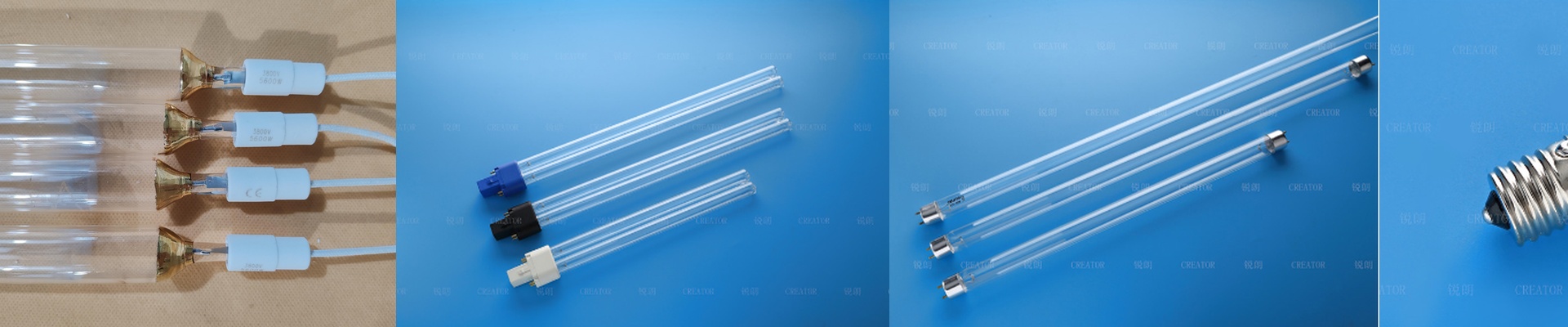
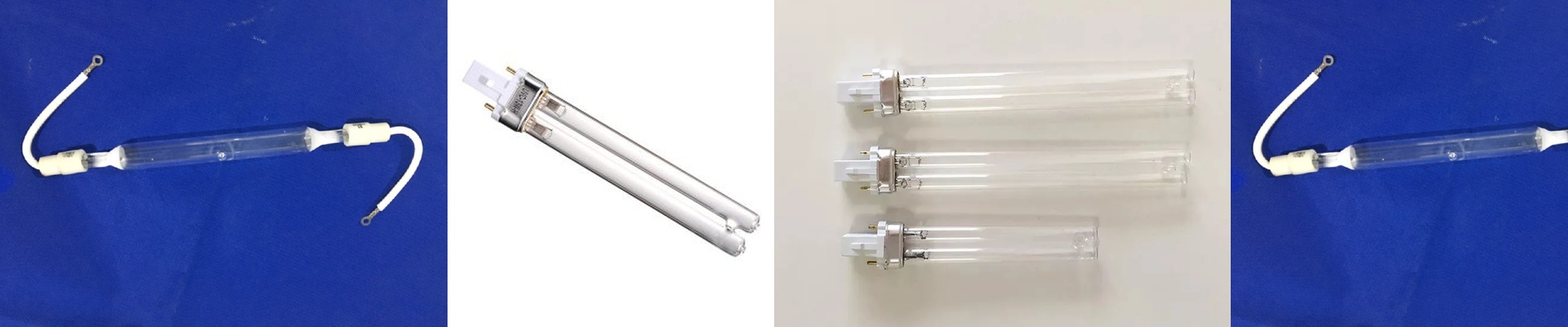
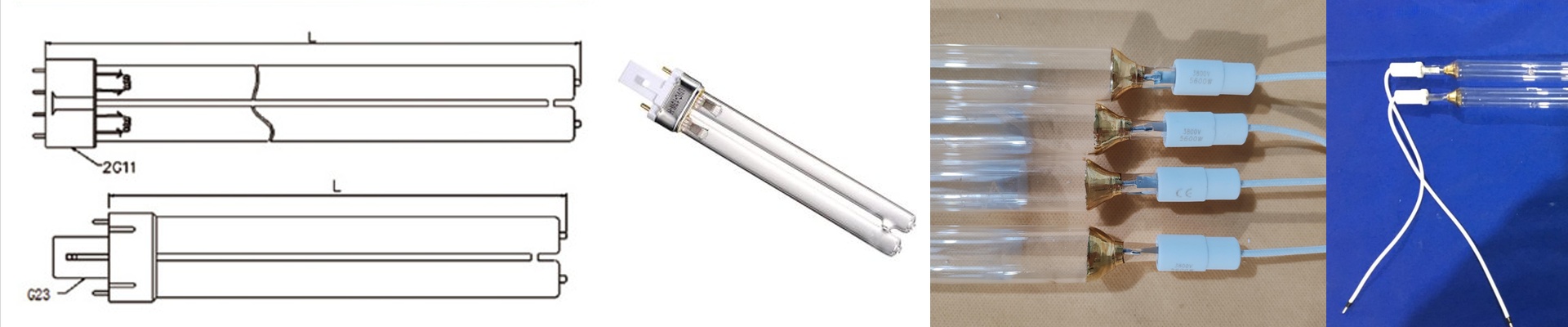
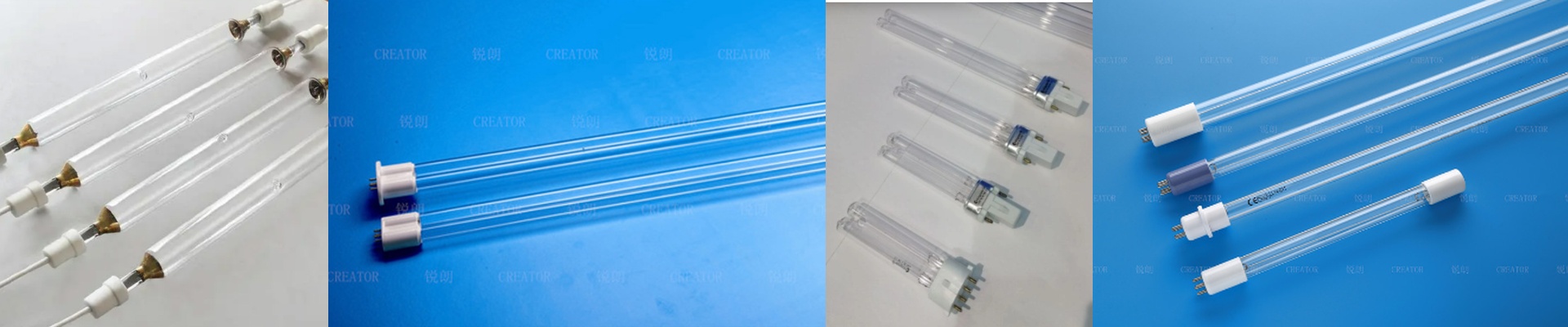
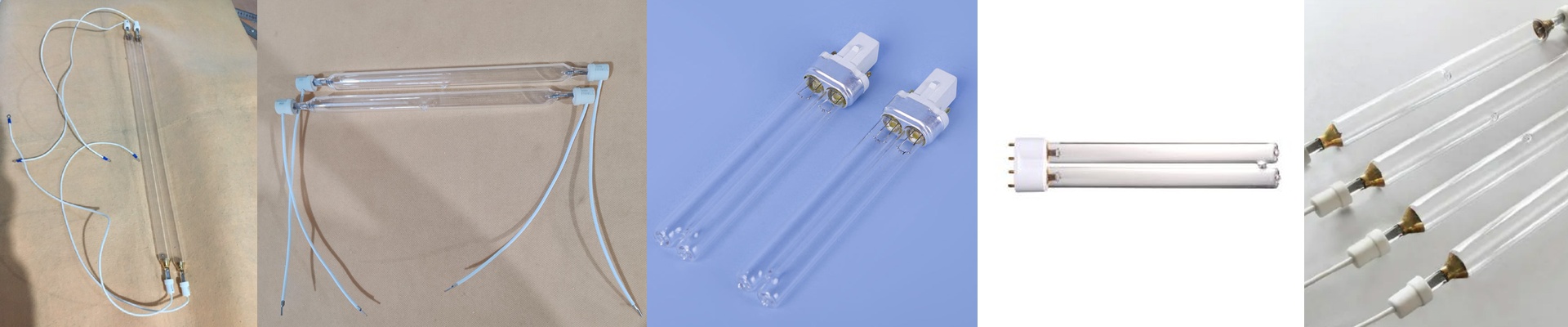
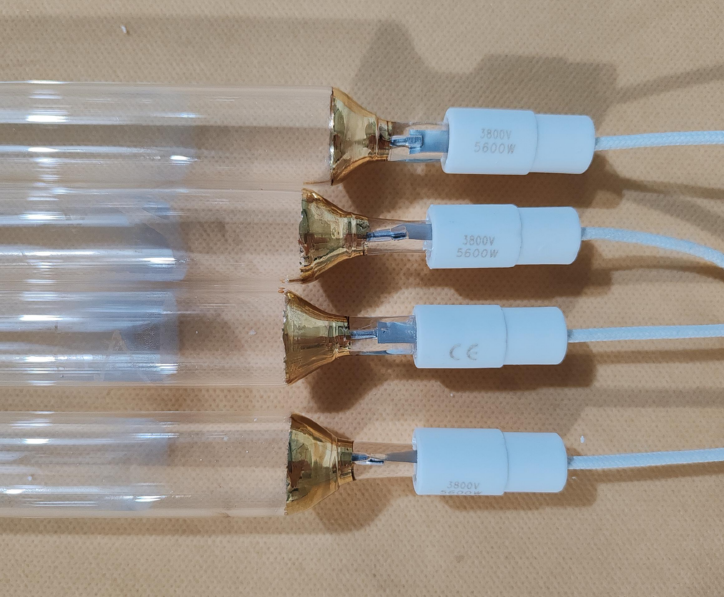
On the floor, line speed lives and dies on curing kinetics, not on grid stability. Voltage dips and spikes hit mercury-vapor lamps right where it counts — arc power — and that shifts spectral output. Photoinitiators get under-cured, and the variability shows up as scrap, slower cycles, and a print train under constant strain. What matters under the hood We run an iron gallium UV lamp with a dedicated circuit compensation system that keeps lamp power locked in, even when input voltage wanders. The arc chamber chemistry is tuned to hold the dominant mercury lines at 365 nm and 395 nm, so photon flux stays steady where your photoinitiators absorb. Peak irradiance stays consistent across the substrate pass, which keeps cross-linking density from drifting. The lamp is ozone-free, and the reflector uses a dichroic coating to bounce usable UV back into the arc gap instead of dumping it as IR. Why it holds up in real plants When voltage swings are just part of the day, the compensation keeps the lamp from chasing the line. Energy density at the web stays repeatable, so dot gain, adhesion, and surface cure don’t swing with grid conditions. That means fewer rejects, makereadies you can count on, and longer lamp life because thermal cycling and electrode stress are reduced. You keep the same spectral profile at full speed as at idle, so ink behavior stays predictable. Here are the practical details Installation comes down to matching the lamp to the existing ballast and reflector geometry, and wiring the compensation module to the right control point. Cold starts pull a bit more inrush current, so make sure the supply and contactor are rated for it. For the best read, monitor with a spectral radiometer at the substrate plane, not at the lamp window, and confirm your ink photoinitiators line up with the 365 nm and 395 nm output peaks.