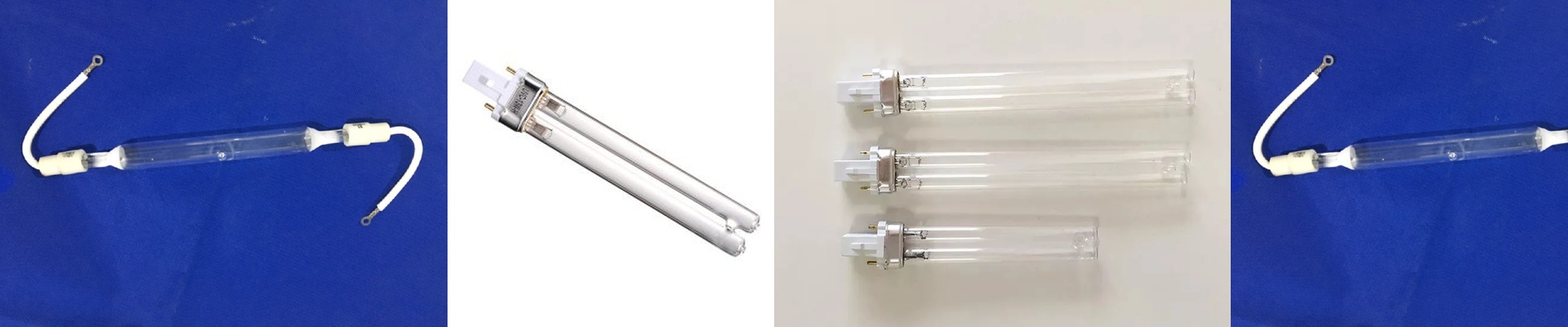
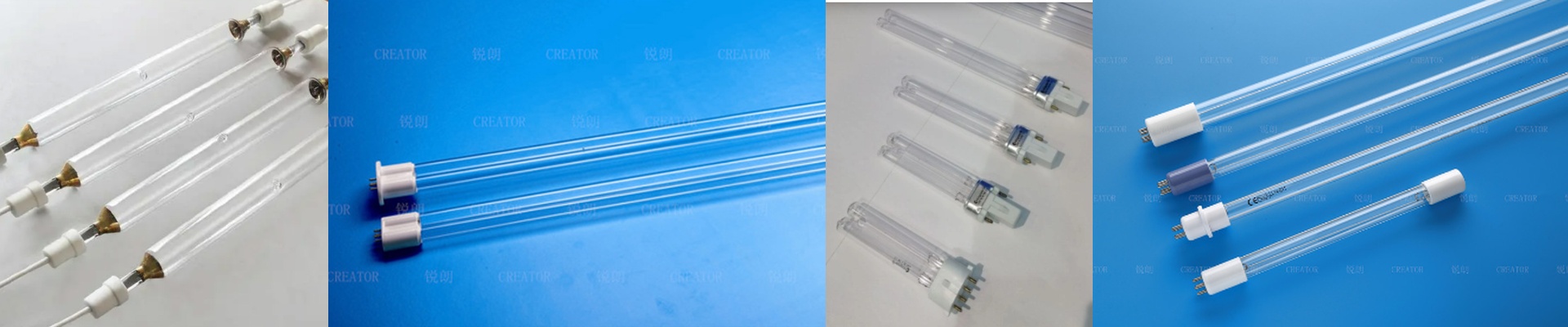
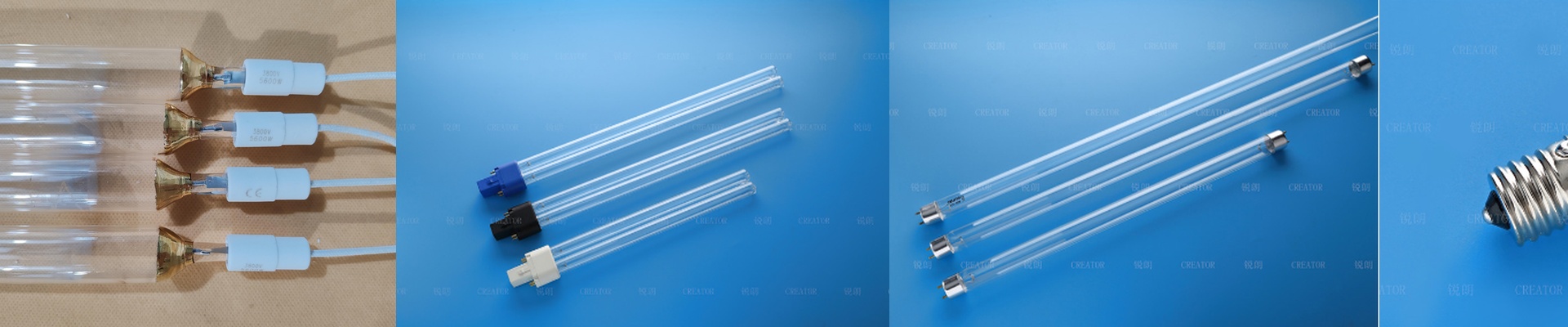
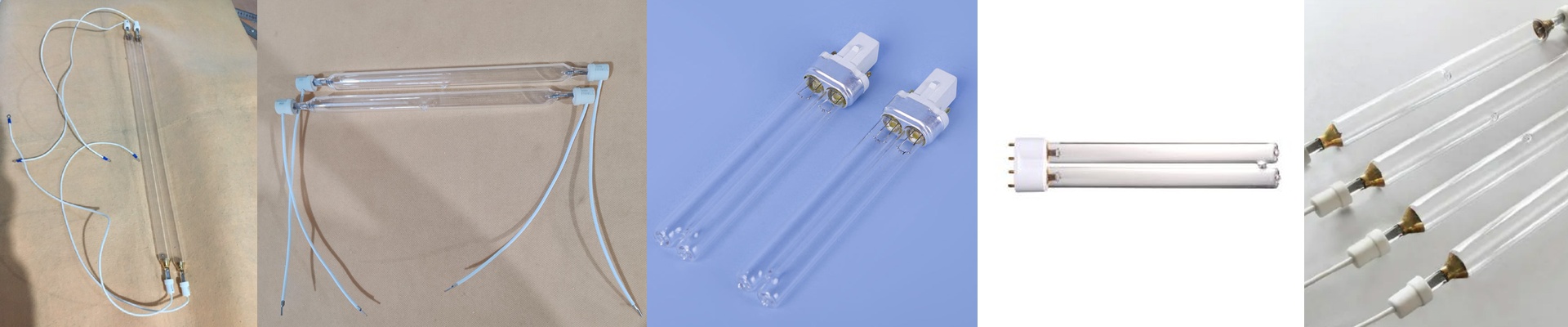
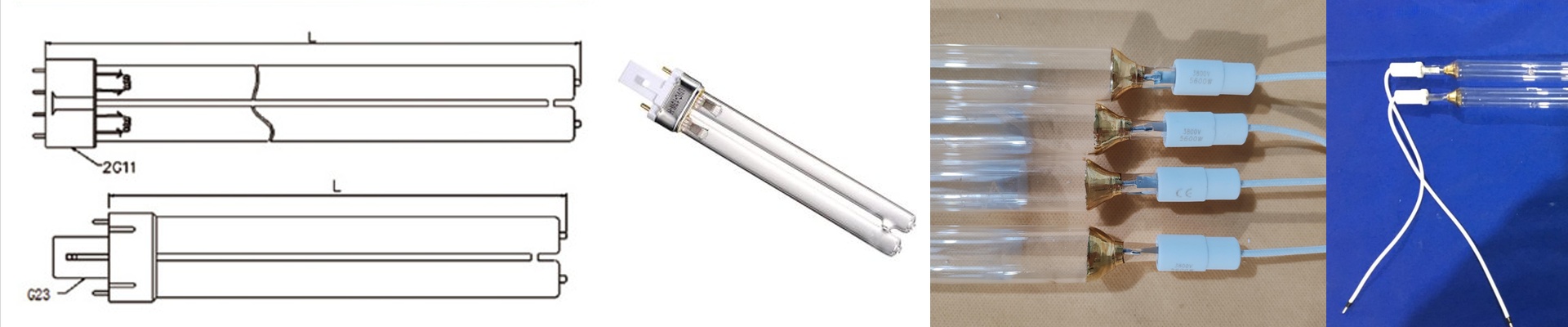
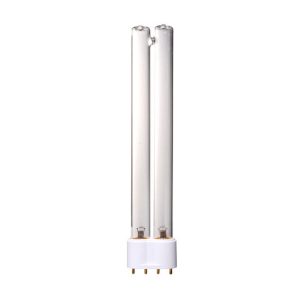
Out on the press line, irregular substrates and deep recesses will beat a standard UV source every time. You end up with uncured ink in the shadows—tacky surfaces, register drift, and scrap piling up. We built a cold cathode UVC system to fix that geometry problem, by shaping the energy distribution, not just chasing raw output. What matters, technically Cold cathode UVC lamps run at a low arc temperature and hold a tight spectral output, so you can control spatial irradiance precisely. The photoinitiator gets a steady photon flux across the target, which keeps cross-linking uniform even where reflectors and part contours would otherwise create low-intensity pockets. Peak irradiance is tuned to match thin ink films without over-exposing them, and the lamp geometry lets you get closer to the substrate. That raises the effective incidence angle and cuts the geometric penumbra. Why it works in the real world When you’re running custom UV heating elements for printing irregular components, you configure the system to map energy onto the critical surfaces—no more dead zones. You get repeatable cure windows on edges, undercuts, and variable thicknesses, with fewer velocity reductions and less ink migration. The cold cathode design also switches on and off fast, so you can match short dwell times without thermal lag. Here are the practical details Output is a function of spacing, reflector geometry, and lamp-to-substrate distance, so the install has to start with a measured baseline: spectral radiometer readings, a verified dose map, and a documented lamp-life curve. Expect a tighter working gap than you’d use with broad flood systems, and make sure the power supply matches the lamp’s ignition and operating parameters. Plan on routine radiometer checks so photoinitiator activation stays consistent shift after shift.