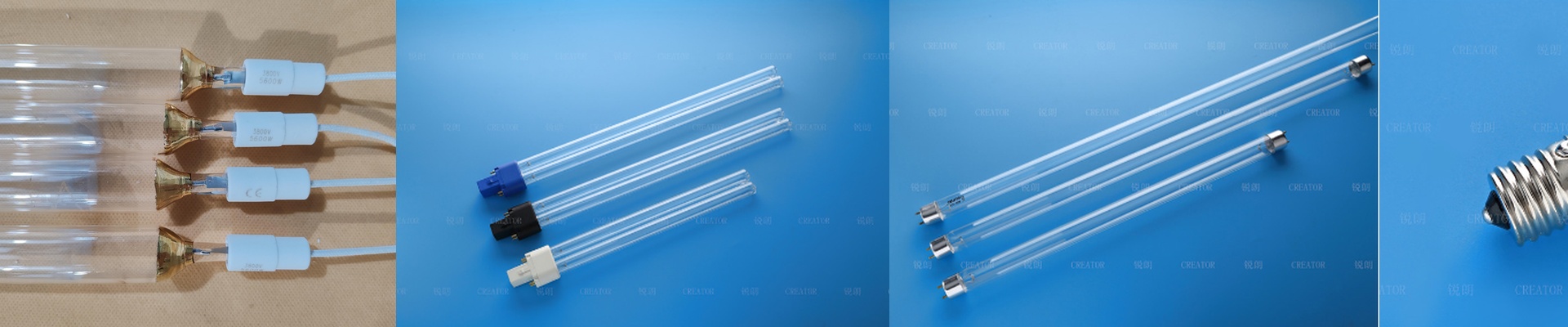
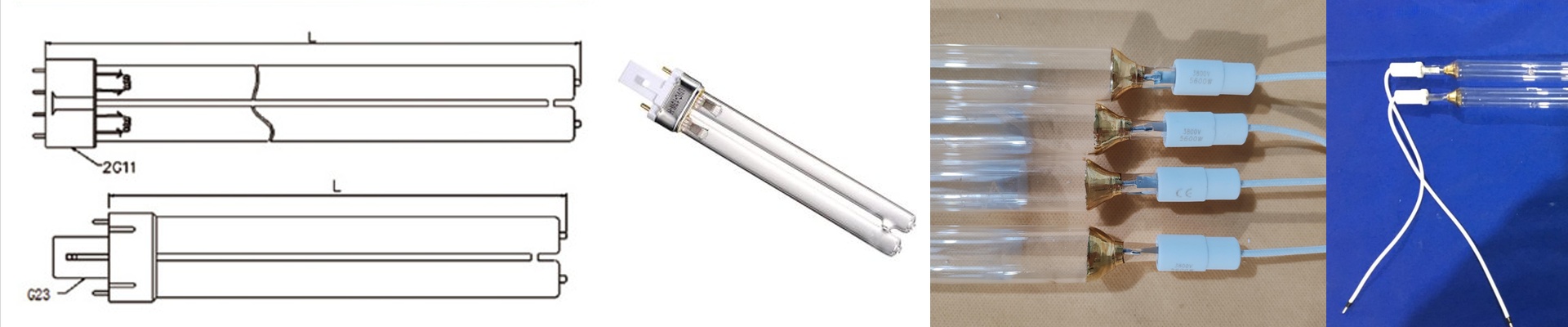
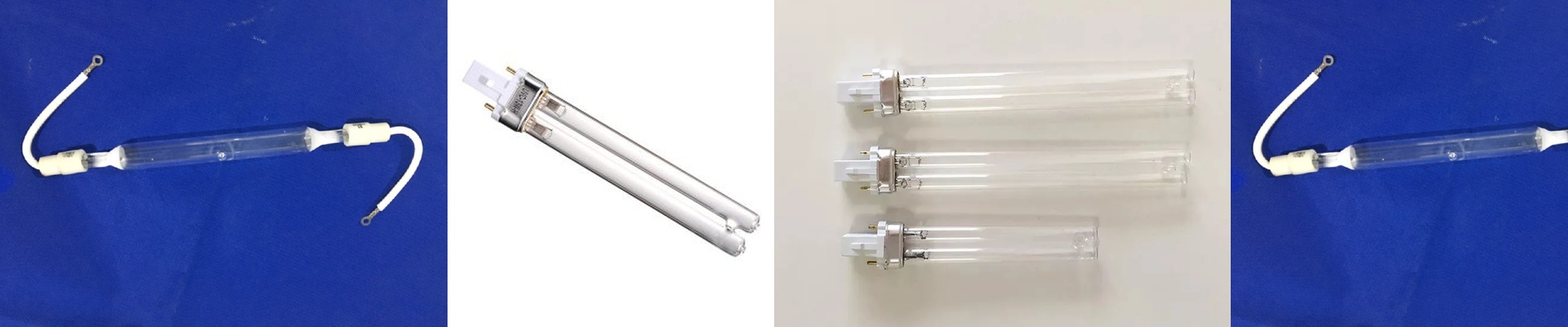
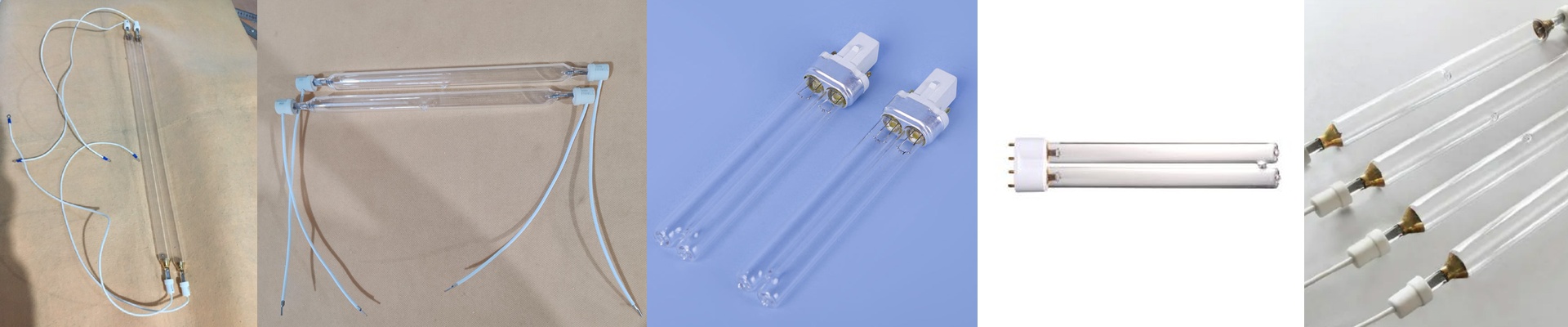
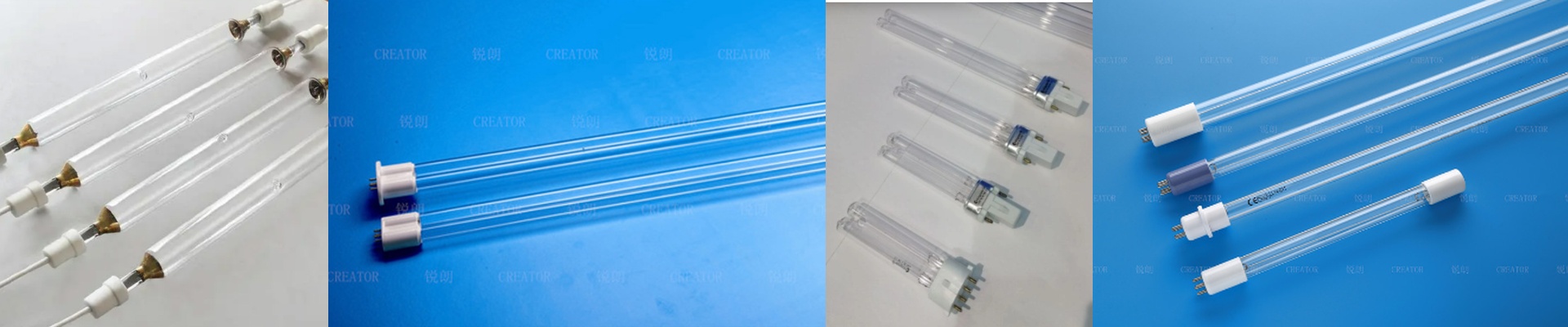

In a lab photochemical reactor, spectral purity isn’t optional. A broadband light source throws uncontrolled variables into the mix, messing with photoinitiation kinetics and making your data questionable. If you want reproducible results, the light has to act like a set tool, not another variable you’re chasing. What matters under the hood We built the Mini UVC germicidal lamp around a low-pressure mercury vapor discharge, so the output is anchored on a dominant 254nm line with a narrow spectral bandwidth. That keeps photon absorption predictable. We call out peak irradiance at the work plane and hold output stability within ±2% over lamp life, measured against a reference radiometer. The USB interface isn’t just convenience—it’s a clean way to deliver power, cutting EMI and making integration into tight reactor housings straightforward. The lamp body uses ozone-free quartz, so you don’t get unwanted ozone generation contaminating the reaction environment. Why it holds up in practice In a lab reactor, repeatable germicidal action and steady photochemical rates come down to dose control. This lamp gives you a stable UVC fluence profile, so you can map dose accurately across the reaction volume. You get shorter experimental cycles because the lamp hits stable output quickly, and you get fewer confounding factors because stray wavelengths are kept in check. The compact form lets you mount the lamp close to the target zone, cutting beam path losses and making optical alignment less of a headache. What to watch for The lamp needs a stable 5V DC input—keep voltage ripple under 50mV, or you’ll see output jitter. Check that your reactor fits the lamp’s mechanical envelope, and make sure there’s enough airflow around the quartz sleeve to manage heat. For long runs, plan calibration intervals against a known standard; every UV source drifts over time.