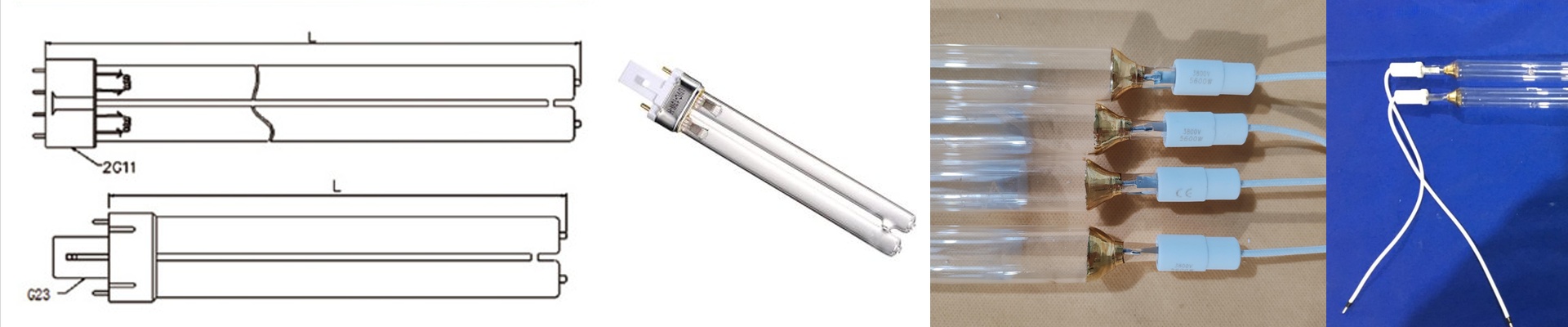
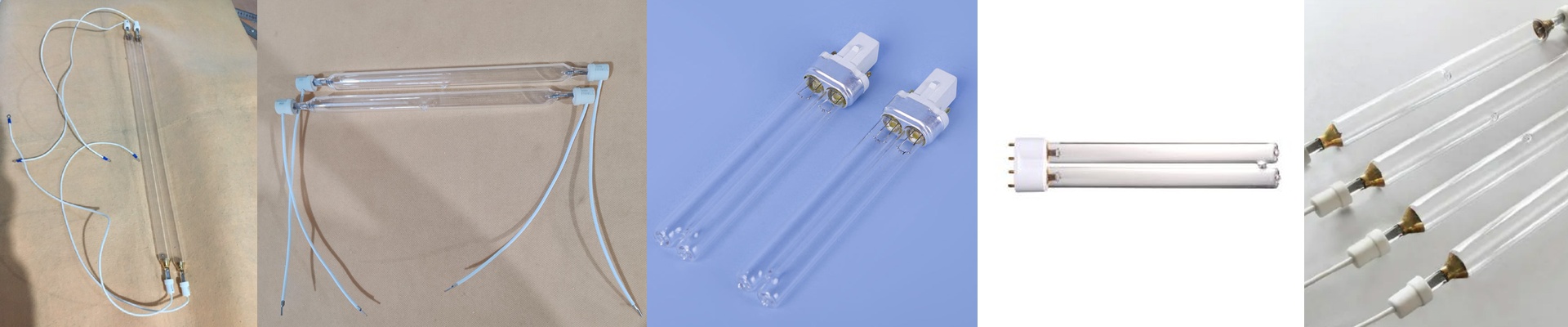
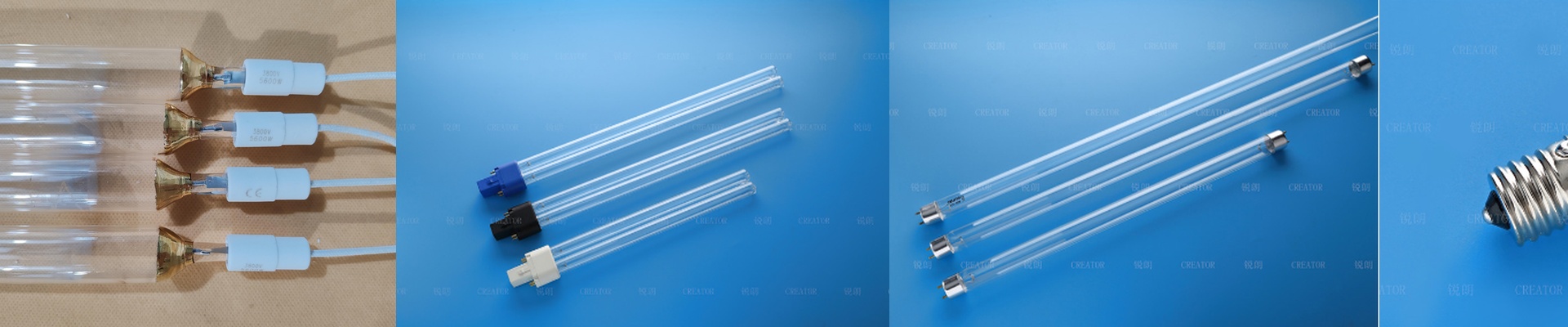
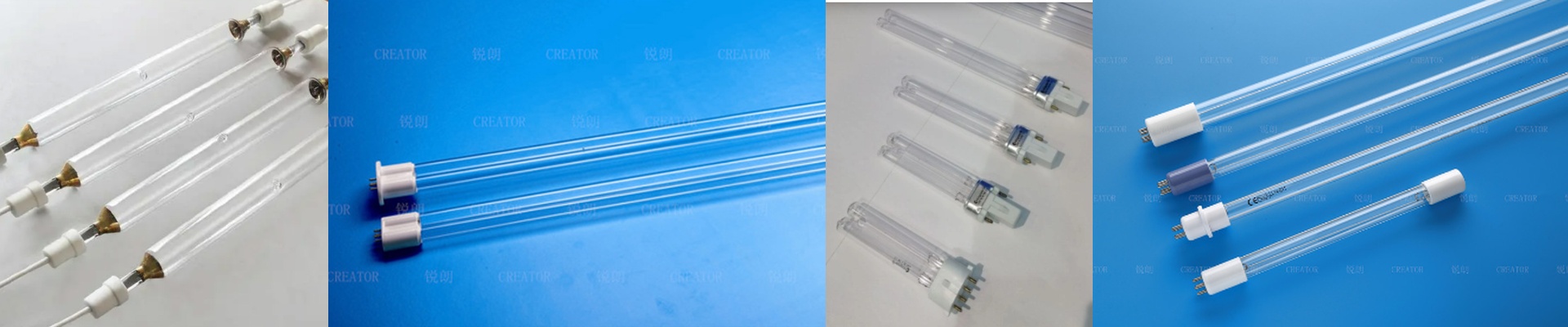
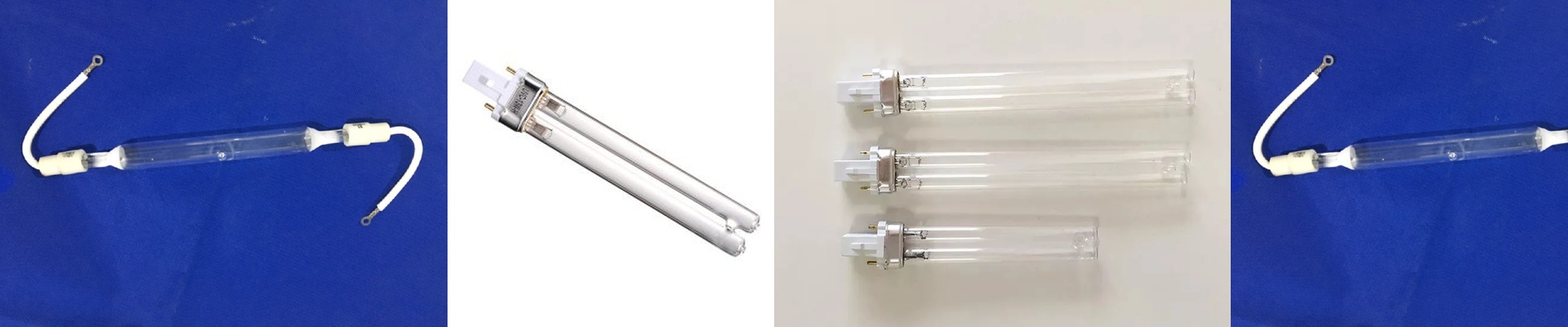
On the packaging line, the expectation is straightforward: no damage, no misprints, no matter where the boxes ship. That expectation gets put to the test the instant the UV lamp fires. If the spectral output isn’t consistent, the ink cross-linking falls apart, and you’re looking at a carton that loses strength before it ever leaves the plant. What matters, technically We build the power supply and ballast around one idea: stable, repeatable performance. With mercury vapor lamps, you’re chasing a dominant 365nm output, and you have to keep the secondary peaks at 313nm and 405nm under tight control so they line up with the photoinitiator absorption. Peak irradiance at the substrate has to hold steady—typically 800–1200 mW/cm², depending on lamp length and reflector geometry—so the energy density (mJ/cm²) delivers a full cure without cooking thin films. The ballast keeps arc stability tight, keeping output variance under 2% over the duty cycle, and the power supply gives you rapid ignition with controlled ramp rates to avoid filament stress and spectral drift. Why this setup earns its keep Packaging upgrades live and die on line speed and adhesion that doesn’t drift. With this lamp power supply and ballast, curing stays repeatable at 100–300 m/min, even when you switch between coatings and inks. That repeatability is what cuts rejects, keeps throughput up, and makes lamp life predictable. You get consistent bond strength on cartons, labels, and protective coatings—the kind of consistency that matters when the goal is zero damage during long-haul shipping. Here are the details you can’t gloss over Matching is mandatory. Lamp current, arc length, and the reflector’s dichroic coating have to line up with the emitter and the substrate. Expect about a 10–15% drop in peak irradiance when ambient temperatures climb above 40°C, unless the system is set up for thermal compensation. On install, don’t skip proper grounding, EMI suppression, and connector compatibility checks—otherwise you’re inviting voltage drop and ignition failures.