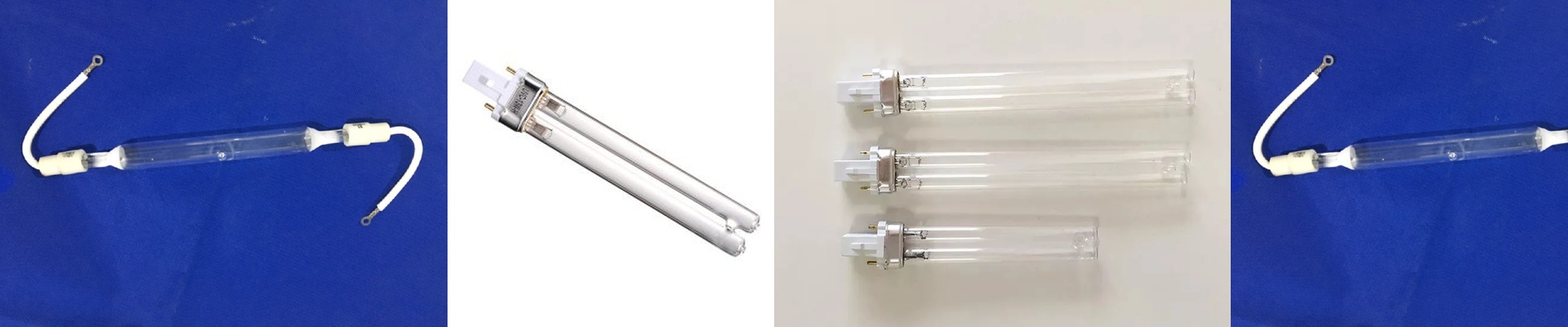
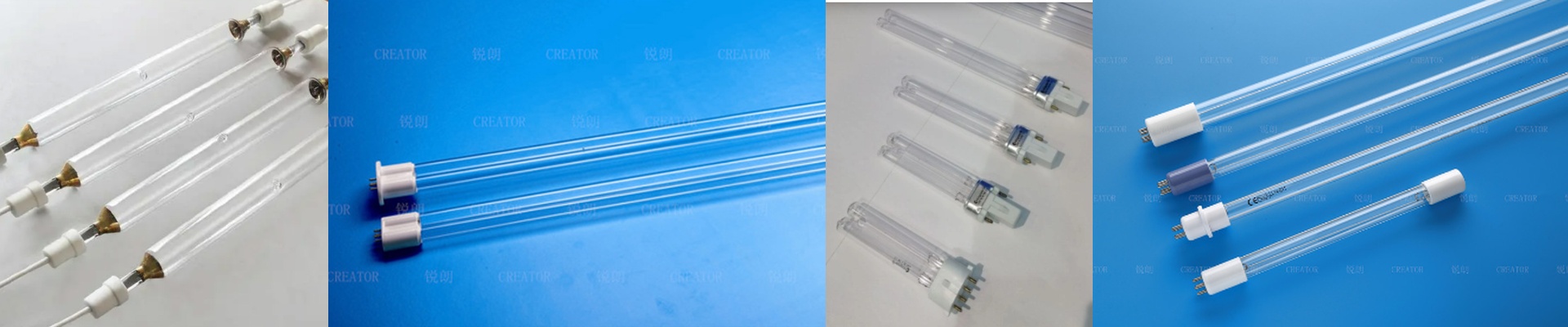
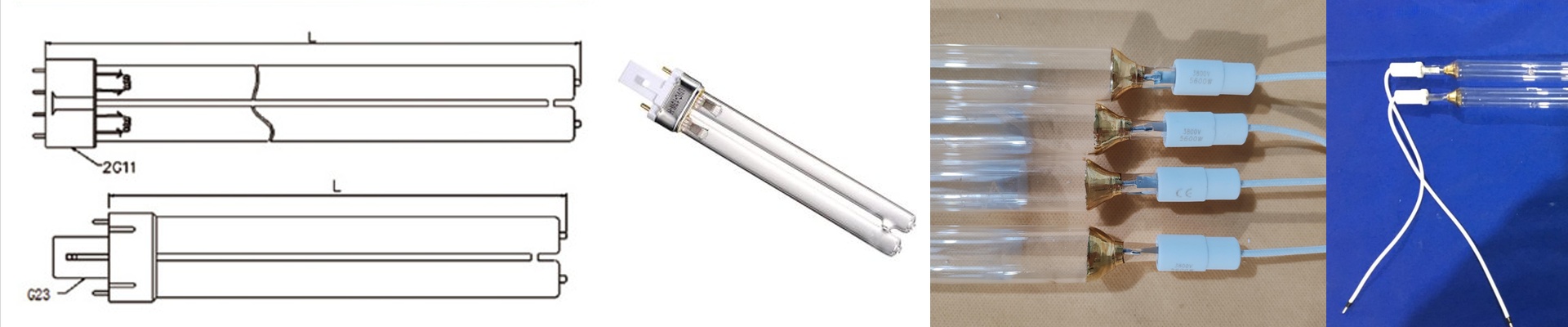
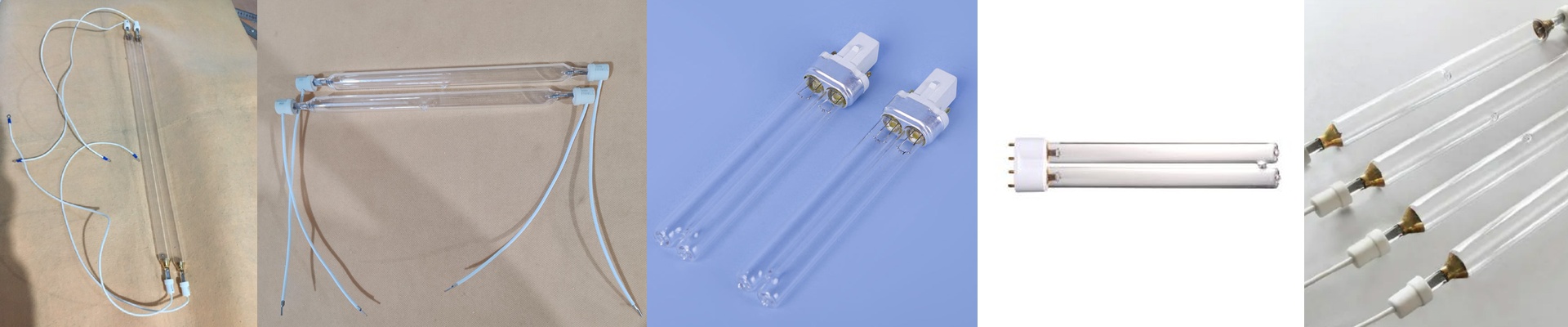
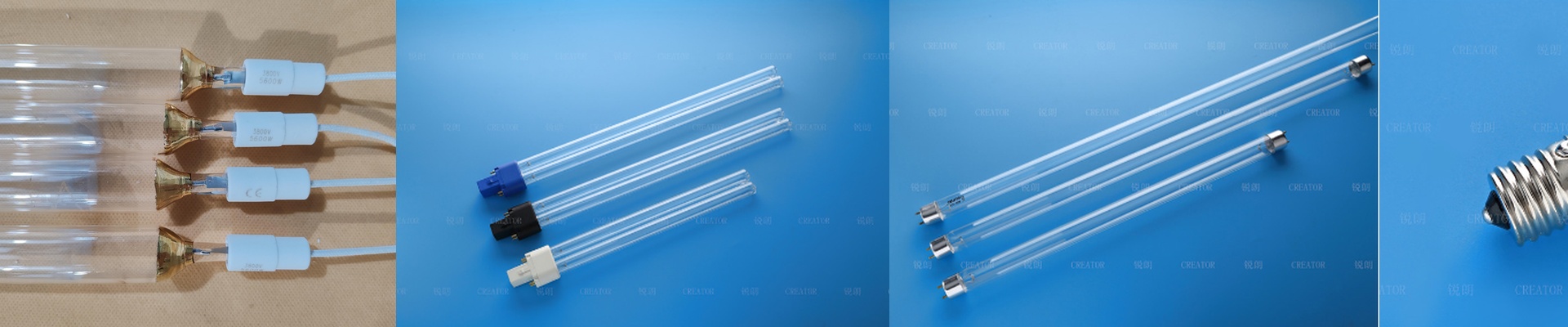
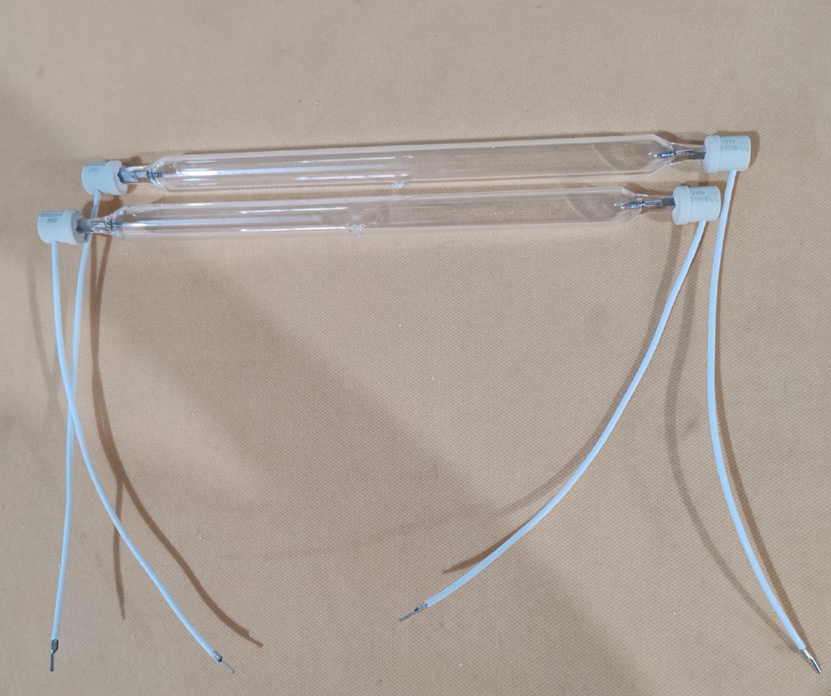
In industrial printing, margins disappear fast when UV curing doesn’t do its job. On the floor, you see it: line speeds that won’t climb, prints that stay tacky, and algae blooms in aquarium lines that shut things down and cost real money. Most of the time, the lamp isn’t the problem. It’s the mismatch between the spectral output and what the photoinitiator actually absorbs. We build our UV lamps to close that gap. What matters technically UV curing isn’t about “brightness.” It’s delivered energy at the right wavelength. Our medium-pressure mercury vapor lamps put out a stable spectrum with strong peaks at 365 nm and 385 nm—right where many photoinitiators in aquarium-grade inks and coatings are sensitive. We specify peak irradiance at the arc center, and we publish energy density (mJ/cm²) at a defined working distance. That way you can predict cross-linking instead of crossing your fingers. A dichroic-coated reflector keeps the output focused, and an ozone-free design cuts down on maintenance interruptions. Why it holds up in the field In aquarium algae control, consistent exposure is the line between stable operation and a bloom. Our lamps hold repeatable output over 5,000+ hours, with output drift kept below 5%. That stability means fewer lamp changes, cure windows you can count on, and the ability to push line speed higher without losing adhesion or surface cure. You get tighter control over the cure, and fewer surprise stops. A few shop-floor basics Match the lamp to the reflector geometry and the cure window. Output drops off with the inverse square of distance, so lock in the working distance—and measure it. Check electrical compatibility before you install: voltage, ignitor type, and connector. And expect a warm-up period for spectral stability; plan your startup around it. If you’re building an agency model around our UV lamps, start with the measurable parameters that drive uptime: wavelength match, peak irradiance, and delivered energy density.