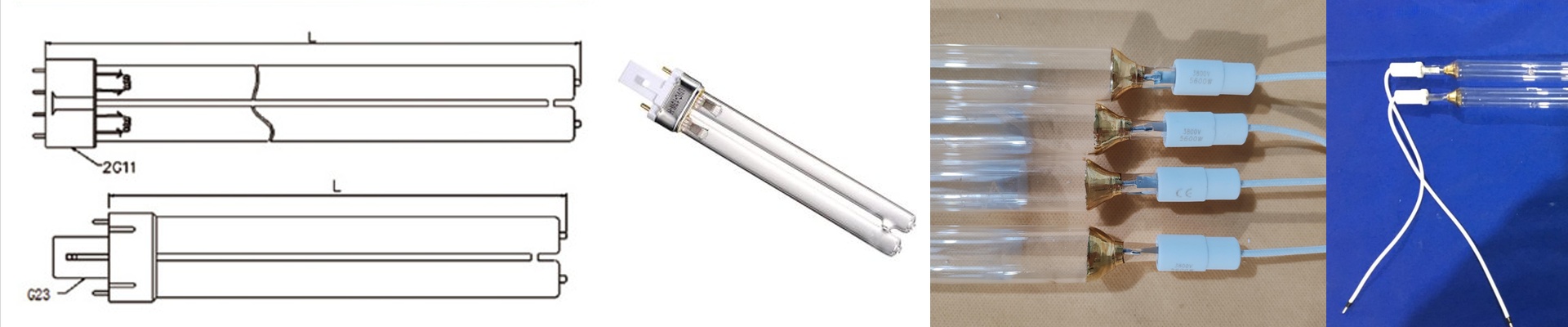
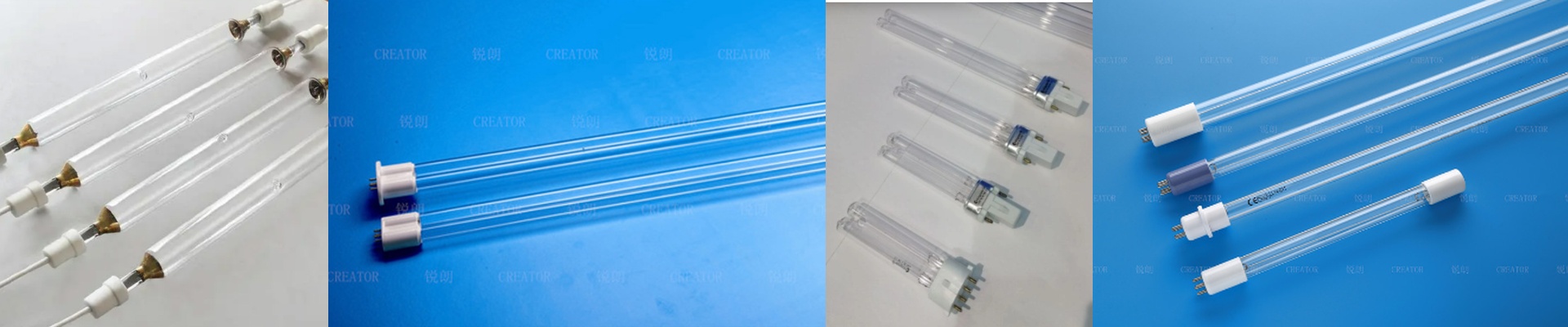
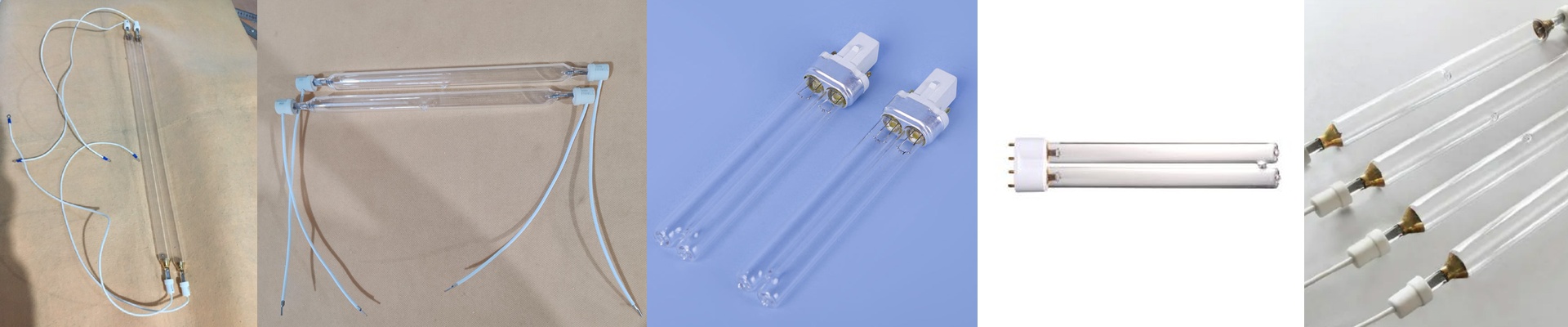
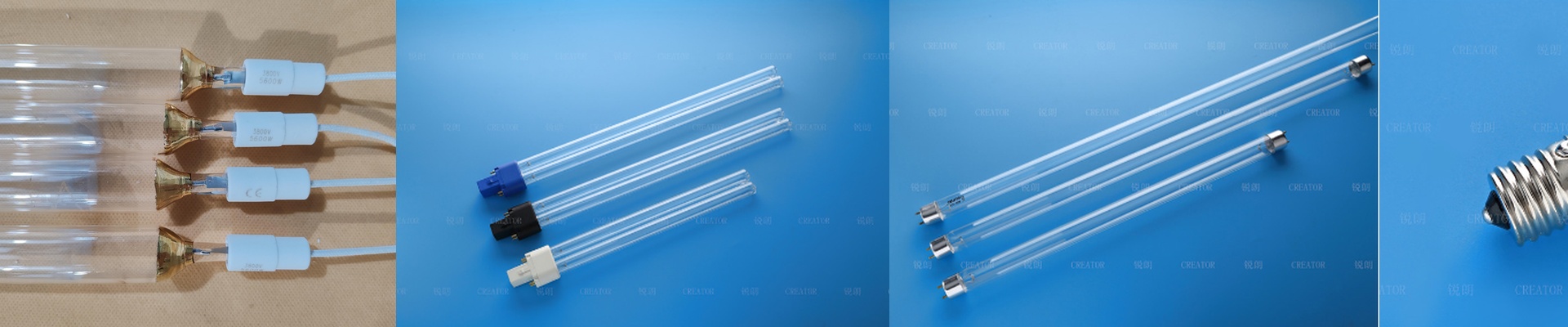
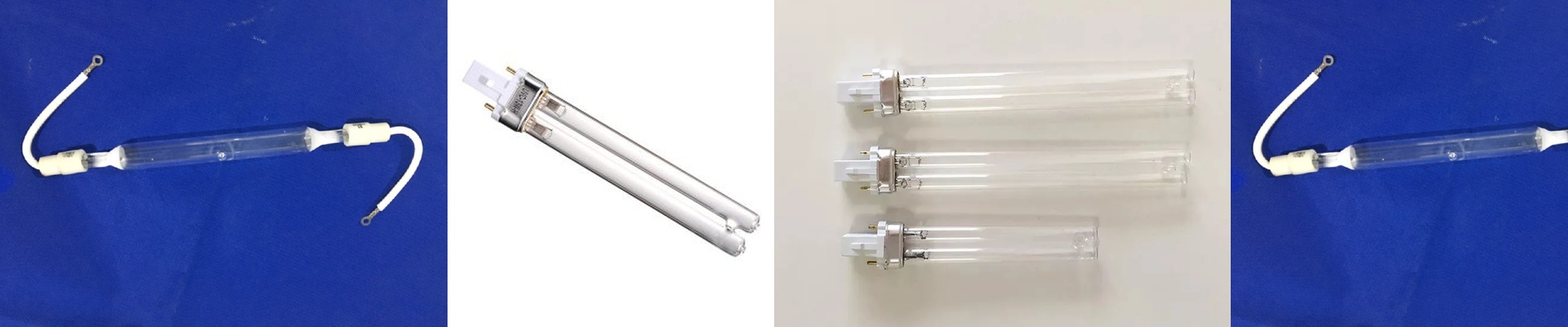
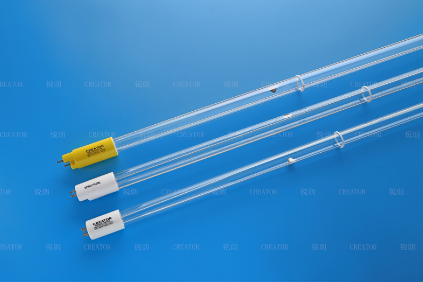
On the press floor, lamp downtime and wasted kilowatts don’t just feel like a headache — they show up directly on your cost per sheet. Getting that number down isn’t about chasing “faster cure.” It’s about running a UV source that stays stable for the long haul, with output you can count on after thousands of hours. And that stability starts with how you measure lamp intensity. What matters, technically UV intensity isn’t one single number. Measure peak irradiance (mW/cm²) at the substrate plane with a calibrated spectral radiometer, then integrate exposure time to get energy density (mJ/cm²). Keep an eye on spectral output, too — mercury vapor lamps sit at 365 nm, LEDs at 385/405 nm — because photoinitiators respond to specific wavelengths. A lamp that holds 1,200 mW/cm² at 365 nm at 10 mm, with a spectral profile that doesn’t drift, gives you consistent cross-linking job after job. Log the warm-up behavior, reflector efficiency, and the lamp’s degradation curve. Low-decay lamps keep output within 5% after 5,000 hours, and reflectors with dichroic coatings help preserve spectral purity while cutting heat load. Why this plays out on the floor Long life and low attenuation mean fewer lamp swaps, which trims spare inventory, maintenance labor, and press stoppages. Stable intensity cuts rejects from under-cure or over-cure, and reduces variability when you change jobs. When energy density stays repeatable, ink adhesion and surface finish stay consistent, so you can run higher line speeds without “chasing cure” every shift. That translates into predictable operating costs and tighter control over your cost per print. Things to keep straight Match the lamp to the ink chemistry and the press architecture — high-pressure mercury when you need broad spectral output, LED when you want targeted wavelengths. Confirm arc length, reflector geometry, and connector compatibility with your curing module. Thermal management is not optional. You need proper airflow and reflector cooling to keep quartz from degrading early. Calibrate the radiometer on the same schedule as lamp changes, and always log data at the substrate plane, not at the lamp surface.