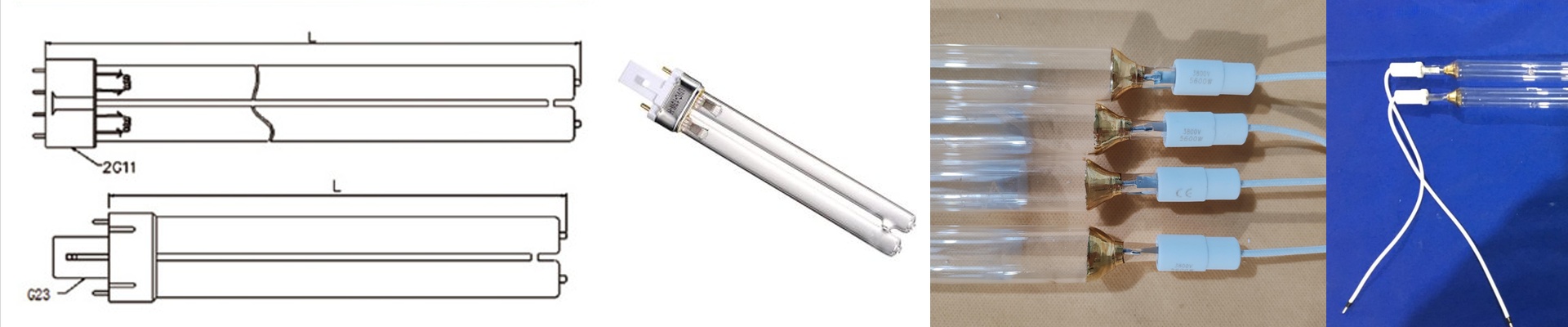
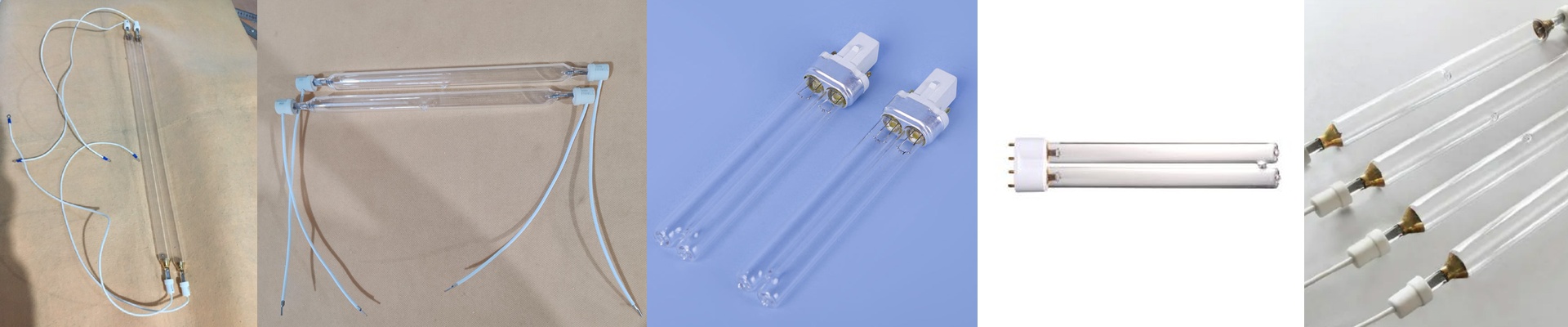
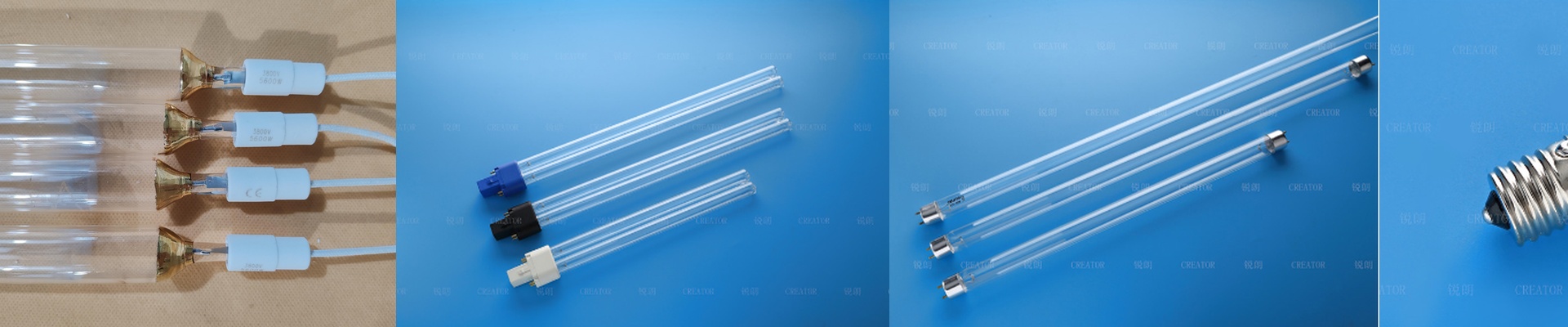
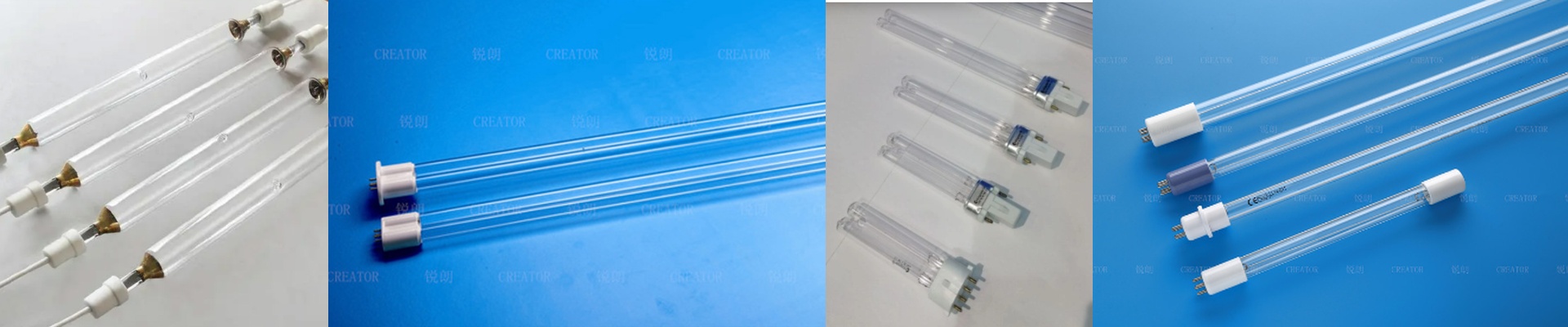
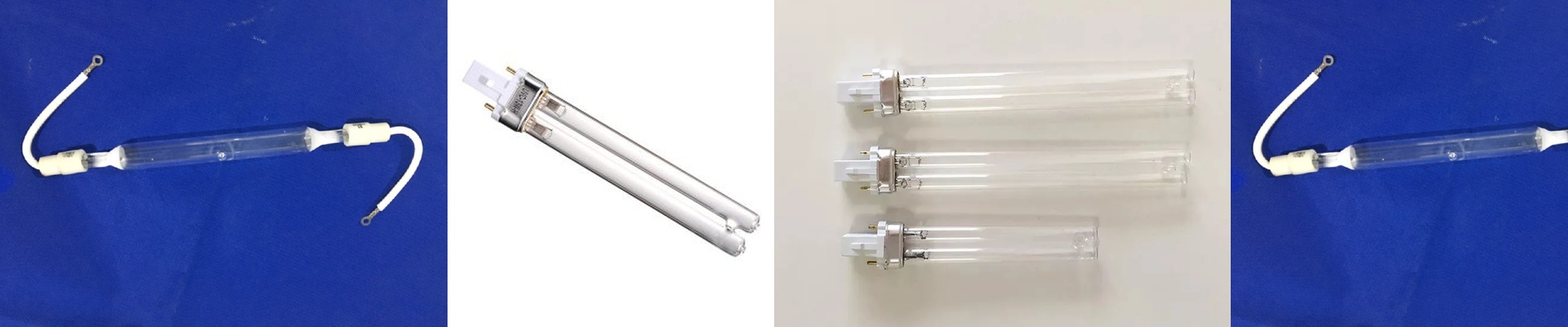
On a press that runs both solvent-based adhesives and water-based topcoats, the problem rarely comes from the ink. It comes from mismatched photochemistry. One lamp trying to cure everything can’t give each photoinitiator the wavelength it actually needs. You end up with adhesion layers that don’t fully cross-link, or topcoats that skin over and then cause trouble downstream.Spectral control isn’t a nice-to-have. It’s how the line stays in spec. We built our industrial UV curing system around one practical goal: deliver the right photon flux at the right wavelength, when you need it, across the full width of the substrate. On mixed-ink hybrid lines, that means hitting the absorption bands of multiple ink chemistries without baking the web or stressing heat-sensitive stock.
What matters under the hood
Start with spectral output. It has to be engineered deliberately, not left to whatever a standard lamp happens to emit. A conventional high-pressure mercury vapor lamp throws strong lines at 365 nm, 405 nm, and 436 nm, plus a broad continuum. Many adhesive photoinitiators lean hard on 365 nm. Water-based topcoats often need longer wavelengths—385 nm to 405 nm—to penetrate and cure without surface inhibition. We shape the spectrum using selective dichroic coatings and tailored dopants. That lets us hold a tight 365 nm peak for adhesive cross-linking, then switch to a dominant 385–405 nm profile for aqueous layers. Peak irradiance is what matters at the substrate plane, on-axis, not some theoretical number at the arc. Curing is about delivered fluence, period. Nominal lamp wattage is a number. Delivered energy density is what cures the ink. You’re solving a dose problem: mJ/cm² at the surface and through the film. We specify minimum dose at the substrate for each spectral profile, with margin for line speed changes and ink film thickness swings. If your adhesive needs 600 mJ/cm² at 365 nm and your topcoat needs 450 mJ/cm² at 395 nm, the system has to keep both above their activation threshold, all day. Stability is the second lever. Lamp output drops with electrode wear, quartz darkening, and reflector degradation. We design for flat degradation curves. Units that run 5,000+ hours typically show less than 5% output drop when maintained on schedule. Reflector efficiency is measured by delivered fluence versus electrical input, not by a feel-good marketing figure. A well-designed elliptical reflector with high-reflectivity dichroic surfaces keeps energy on the web, not heating the chassis. Lifetime and total cost aren’t abstract. They show up in lamp replacements, spare parts inventory, energy draw, and unplanned downtime. The system runs on standard industrial power, uses ozone-free quartz envelopes, and drops into existing press architecture without rewiring the whole line. The cost per cured square meter is a function of lamp runtime, power consumption, and maintenance labor—not a slogan.
Why this approach holds up on hybrid lines
Hybrid lines that sequence adhesive inks and water-based inks run into the same failure mode: one spectrum over-cures the surface while the underlying layer stays under-cured. Adhesives need deep cross-linking at 365 nm to deliver bond strength. Water-based topcoats cure best with longer wavelengths that penetrate without trapping solvents or moisture. With a fixed lamp profile, you either slow the line down to the lowest common denominator or live with inconsistent adhesion and finish. So we tune the spectrum per station. At the adhesive station, we bias output toward 365 nm and set delivered dose above the adhesive’s activation threshold by a measured margin. At the aqueous station, we shift to 385–405 nm to drive through-cure without surface embrittlement. The press operator can switch profiles from the console, and the lamp system changes spectral output and fluence targets automatically. What that means on the floor: line speeds stay stable because each layer cures at its optimal wavelength. Adhesion tests stop failing after heat and humidity cycles because the adhesive layer fully cross-links. Topcoats cure through the film, not just on top, so blocking and downstream finishing don’t introduce defects. Energy use drops because you’re not running full-spectrum output for every layer—you deliver the photons required, not whatever photons happen to be available. Side-by-side runs on the same substrate and ink set make the operational difference clear. Our tuned profile hits target cure at 365 nm and 395 nm simultaneously, while a standard mercury lamp shows dips in delivered dose at the longer wavelengths. Over time, output stability is measurable: after 3,000 hours, the tuned lamp keeps dose within tolerance, while a conventional lamp needs power increases to compensate for spectral shift and reflector losses. Maintenance intervals stretch because electrode erosion and quartz stability are managed through lamp design and controlled ignition profiles.
The details that keep it working
Spectral tuning works, but only if the whole chain is considered: lamp, reflector, shutter, power supply, and substrate path. The lamp has to match the reflector geometry. A mismatched reflector wastes output and creates hot spots. Substrates with low thermal tolerance need controlled irradiance profiles to avoid distortion, so dose ramps and inter-station cooling have to be part of the line layout. Compatibility isn’t universal. If your press has tight envelope constraints, lamp length and arc gap must be specified to fit the web path without shadowing. Power supplies and igniters must match the lamp type; mismatched drivers cause premature electrode wear and unstable spectral output. We supply the lamp as part of an engineered package—reflector, wiring, connectors, and controls—so what you simulate is what you get on the substrate. Plan for maintenance. Lamps are consumables. Keep a spare on the shelf, follow runtime limits, and track output with a spectral radiometer. Replace quartz components on schedule, not after a failure. The system is tough, but it’s not set-and-forget. Treat it like the precision instrument it is. If your line runs mixed inks and you’re constantly balancing cure quality against speed, the question isn’t whether to upgrade the UV system. It’s whether you’ll keep guessing at spectra or start controlling them. We build the system to control spectra, hit the required dose, and keep your press running at the speed the substrate can actually handle.