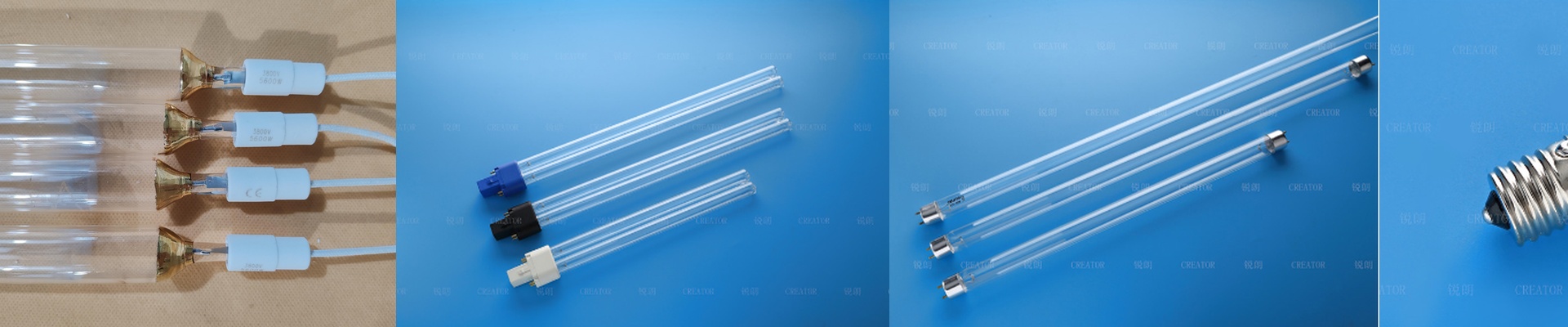
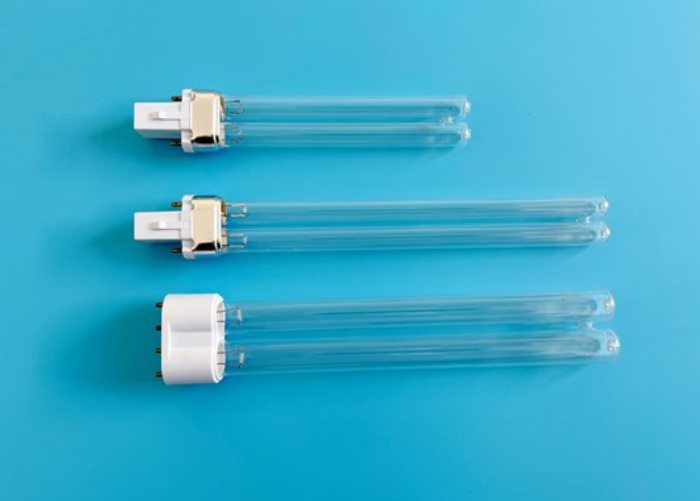
Don’t Let Your UV Lamps Get Stuck at Customs
If you’re planning out your production lines for 2026, you’ve probably already obsessed over the technical specs of your high-pressure mercury lamps. But here’s the thing: the tech is only half the story. The other half is making sure your shipment actually makes it into the warehouse. It sounds boring, but legal viability is a huge deal. If you source lamps from a supplier who just “borrowed” someone else’s design, you’re playing a dangerous game. Customs agents in the US and EU don’t mess around with IP infringement. One wrong move and your entire shipment gets seized.
The Nitty-Gritty of the Tech
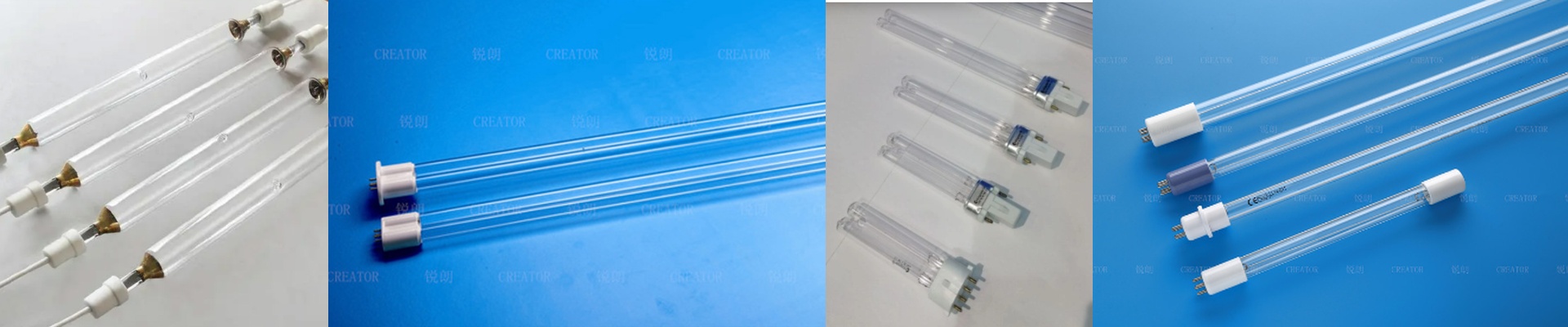
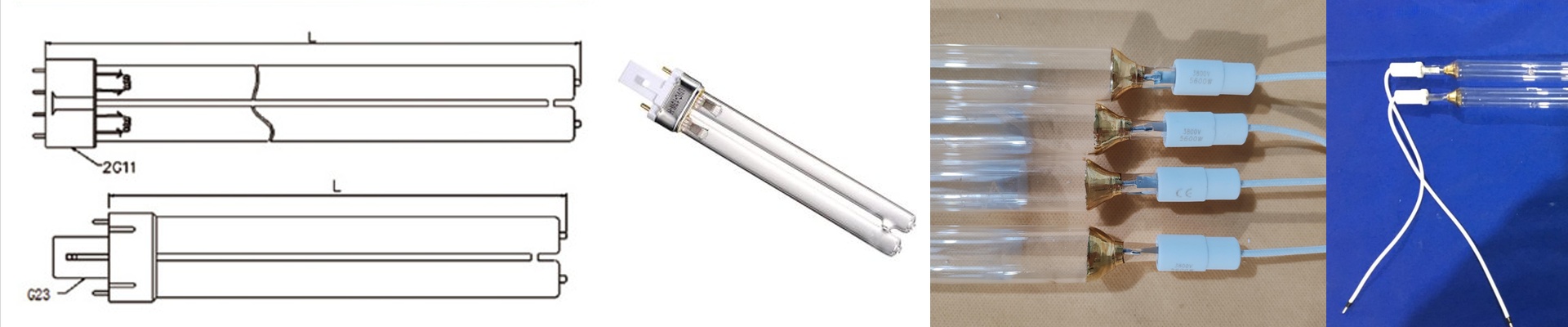
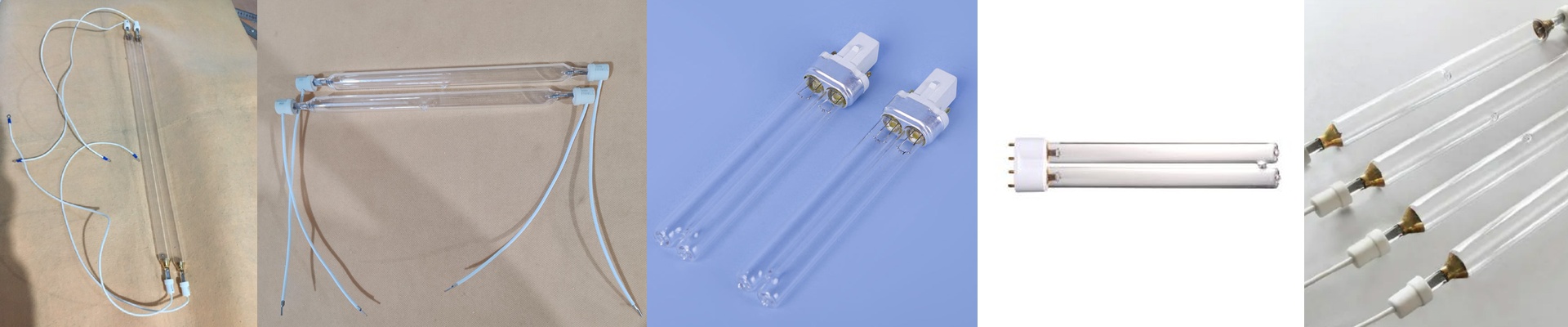
So, how do these things actually work? Basically, we excite mercury vapor inside a quartz envelope to create UV-C radiation. We tune them to hit that sweet spot—usually around 254nm—so they actually kill the germs or cure the coatings they’re supposed to. To get that kind of power, we have to crank up the internal pressure. It makes the light intense, but it puts a lot of stress on the glass. **One quick tip:**double-check your ballast. If your voltage doesn’t line up perfectly with the lamp’s operating point, your electrodes are going to burn out way faster than they should.
Why You Should Care About Patents
A lot of the cheap UV lamps on the market are just clones. They look the same, but they’re basically copy-paste jobs of existing designs. If you build those into your machines and ship them overseas, you’re essentially handing a lawyer a reason to sue you. We do things differently. We own our patents on the gas-fill ratios and the way the electrodes are shaped. When you work with us, you aren’t inheriting someone else’s legal headache. Your gear clears customs because the tech belongs to the people who made it. No rip-offs, no drama.
The Heat Struggle
Here’s the trade-off: high-output lamps gethot. Like, really hot. We’ve optimized the quartz to let the UV light through, but the thermal load is still a beast. You’ll need to make sure your cooling fans or water-jackets can actually handle the heat flux. If the lamp runs too hot, the quartz starts to “solarize.” That’s when your UV output just tanks, and you’ll find yourself replacing lamps long before they’re actually supposed to die.