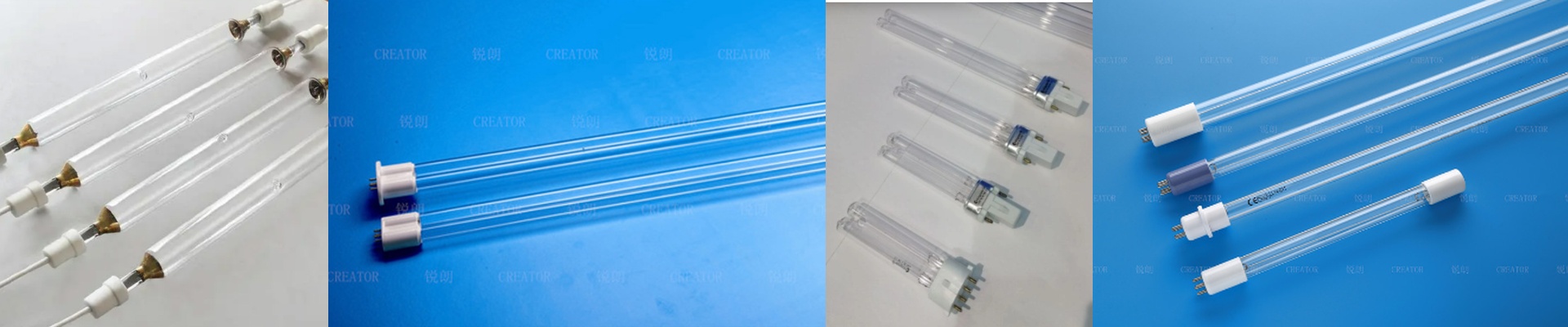
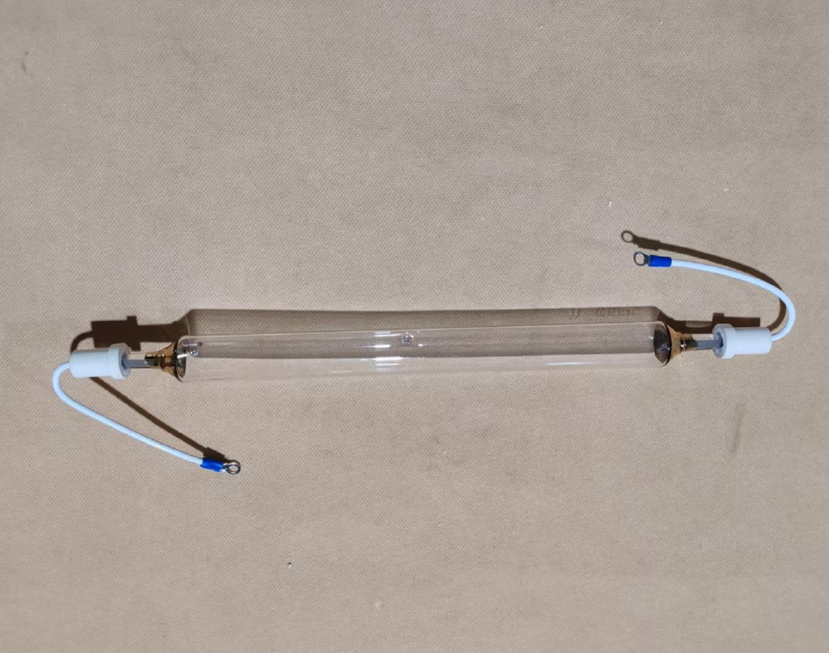
Getting Your Head Around High-Pressure Mercury UV Lamps
When you’re moving from raw fabric to a finished piece of clothing, there’s a lot of chemistry happening behind the scenes. For us, high-pressure mercury lamps are the secret sauce. They handle the heavy lifting when it comes to curing inks, adhesives, and those special coatings that make a garment functional.
The Nitty-Gritty of the Output
These lamps throw out a wide spectrum of UV radiation, mostly hitting the UVC and UVB ranges. When we’re picking a lamp, we look at the wattage and the arc length. Why? Because it has to match how fast your conveyor belt is moving. Think of it this way: more wattage means more power hitting the fabric. If you want to crank up the line speed without worrying about the resins staying gooey or under-cured, you need that extra punch. It’s pretty straightforward physics. Electrical discharge excites the mercury vapor, which shoots out photons that trigger the curing process. If you speed up the line, you’ve got two choices: bump up the power or move the lamp closer to the fabric. Simple as that.
How They’re Actually Built
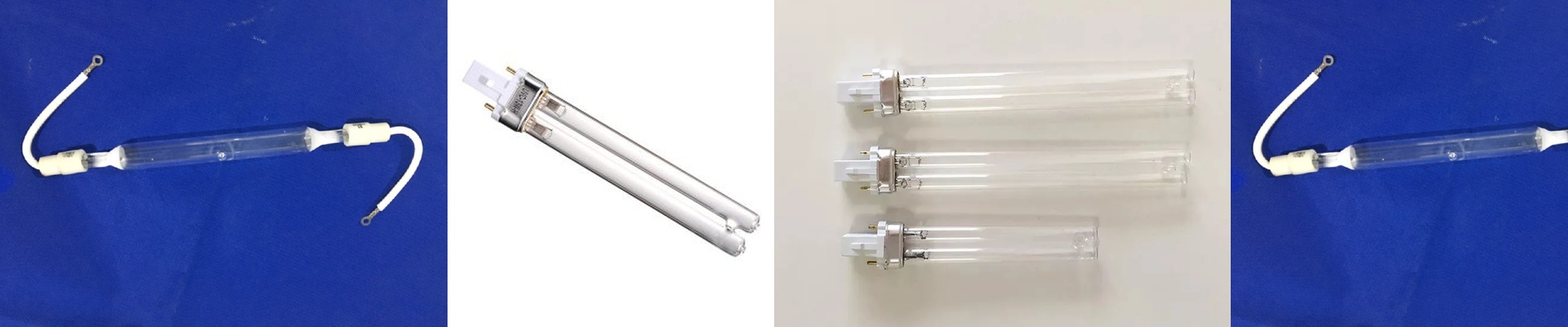
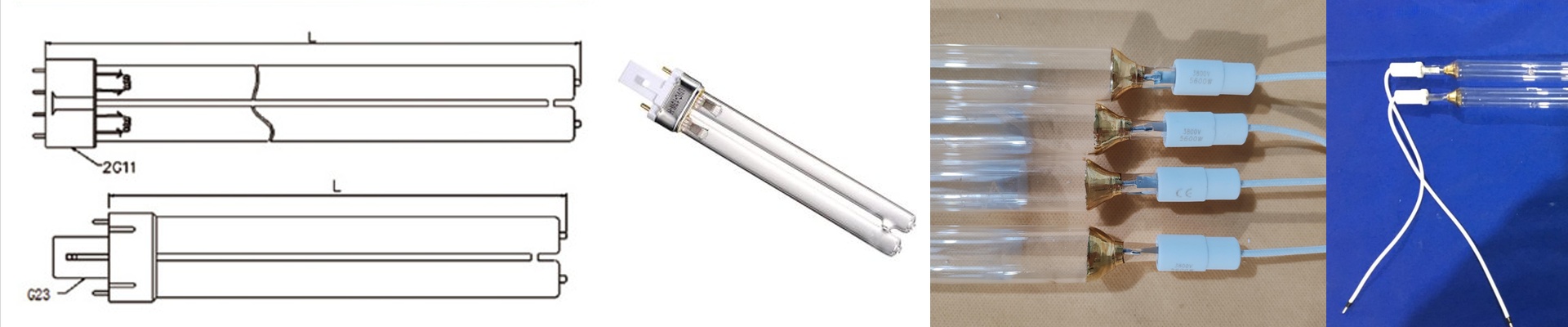
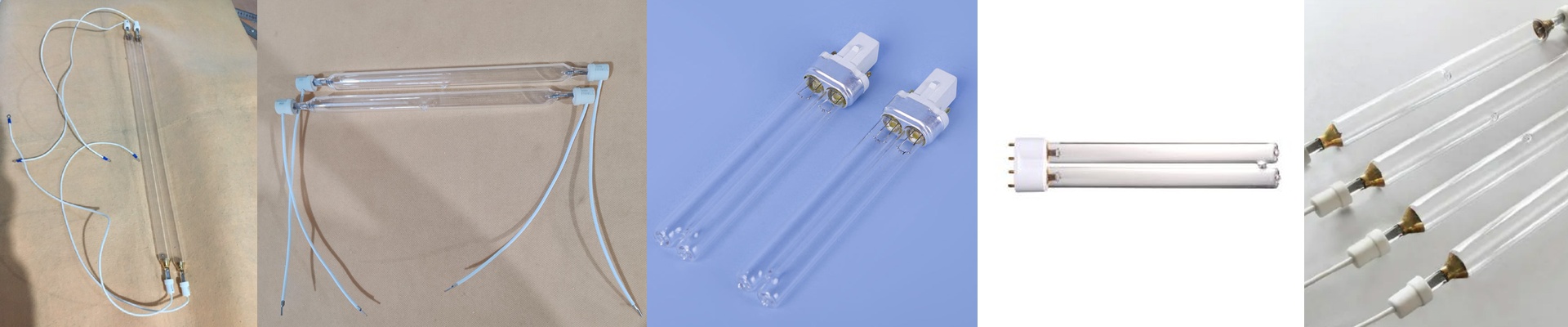
We use high-purity fused quartz for the envelopes. It’s really the only material that lets those shortwave UV rays pass through without soaking up all the energy. To make sure that light actually hits the fabric instead of wasting away, we tuck them into aluminum reflectors that aim the beam straight down. One thing to watch out for: the wiring. You need a precise ballast. These lamps aren’t “smart”—they don’t limit themselves. If you don’t have a proper ballast in place, the lamp will just keep drawing current until it pops. And that happens fast.
Real-World Use and the Trade-offs
You’ll usually spot these lamps doing three main jobs in a plant: ***Screen Printing:**Getting those UV inks or plastisols to set instantly. ***Functional Coatings:**Locking in the stuff that makes fabric water-repellent or fire-resistant. *Adhesives:Getting synthetic overlays to bond right then and there. Now, here is the catch. These lamps are powerful, but they runhot. I’m talking serious infrared heat. You have to get your cooling fans and exhaust systems exactly right. If you don’t, you’ll end up scorching your synthetic fibers or dealing with annoying shrinkage. It’s a constant balancing act—trying to cure the fabric as fast as possible without actually melting it.