Dealing with Electrical Noise in Your UV Curing Lines
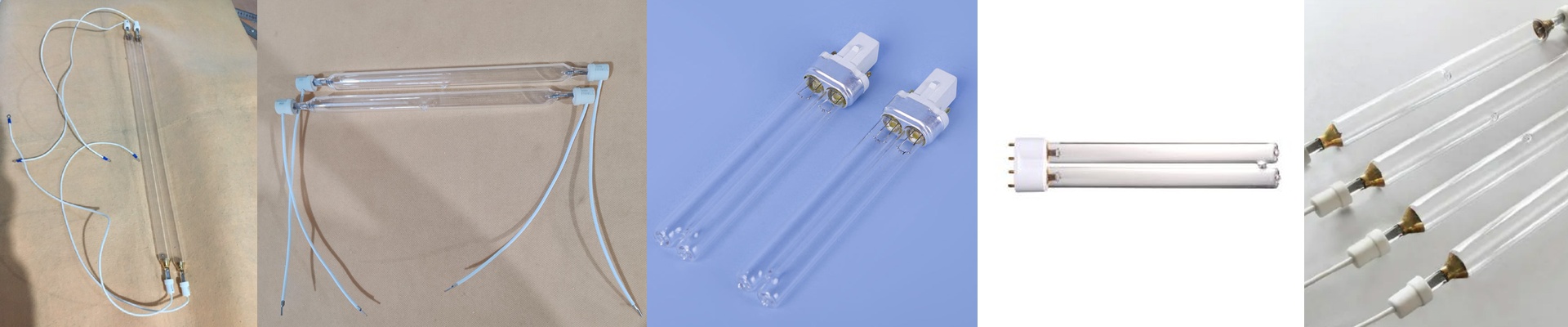
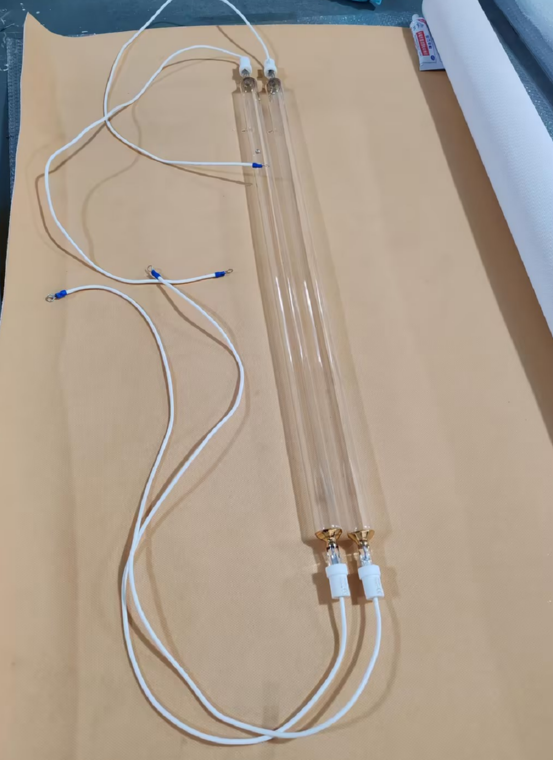
If you’ve ever spent any real time in a busy press room, you know it’s a loud, chaotic place. Not just the noise you can hear, but the electrical noise you can’t. When you’ve got a dozen massive printing machines humming away at once, they create a kind of electrical interference that can make your UV lamps flicker or your ballasts act up. It’s a nightmare. You end up with uneven curing, a bunch of wasted substrate, and a lot of frustration. That’s exactly why we built our 80W/cm mercury lamps the way we did. We wanted something that could actually handle the grit of a real industrial floor. The secret is in the stability. For high-speed offset or flexo printing, 80W/cm is usually the sweet spot. But the real challenge is keeping the arc discharge steady. When you’ve got several lamps running in parallel, the electrical load is always shifting. To stop the lamp from “hunting” for stability every time a nearby pump or motor kicks in, we used high-purity quartz and reinforced the electrode geometry. It keeps the plasma arc centered and steady, no matter what’s happening on the other side of the room. Blocking out the noise Most of the interference hits the power supply first. We designed our systems to basically wall off the lamp from that surrounding electrical mess. By tweaking the impedance match between the lamp and the transformer, we can stop those external power spikes from messing with your UV output. You won’t see your output dip just because the press next to you started its cycle. It just stays constant. A few tips for the install These lamps are pretty easy to swap into most standard curing frames. But keep in mind: 80W/cm puts out a lot of heat.A lot. If your cooling blowers aren’t up to the task, the quartz envelope will overheat, and you’ll burn through your lamps way faster than you should. Before you wire everything up, do yourself a favor and check your ducting for dust or debris. And one last thing—use proper shielding on your control cables. It’s a simple step, but it helps you get the most out of the anti-interference design we’ve baked into the lamps.