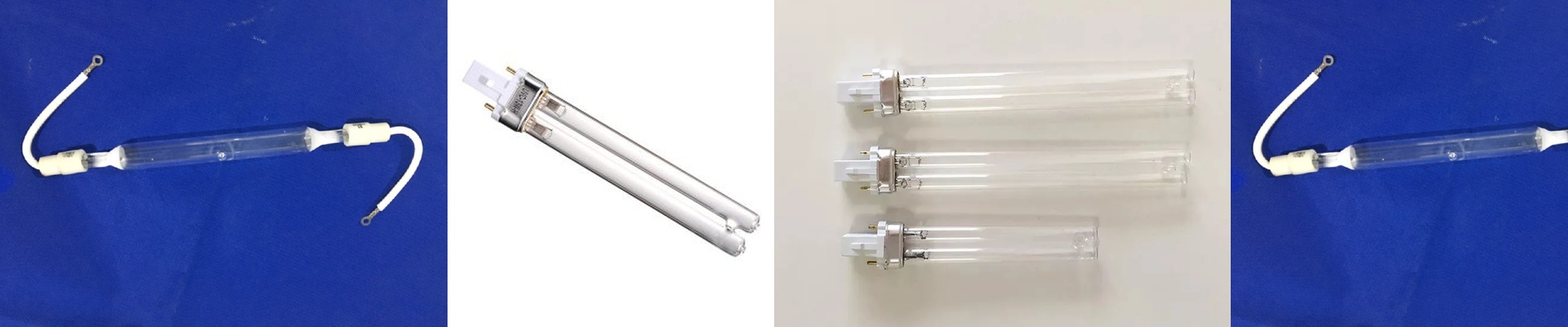
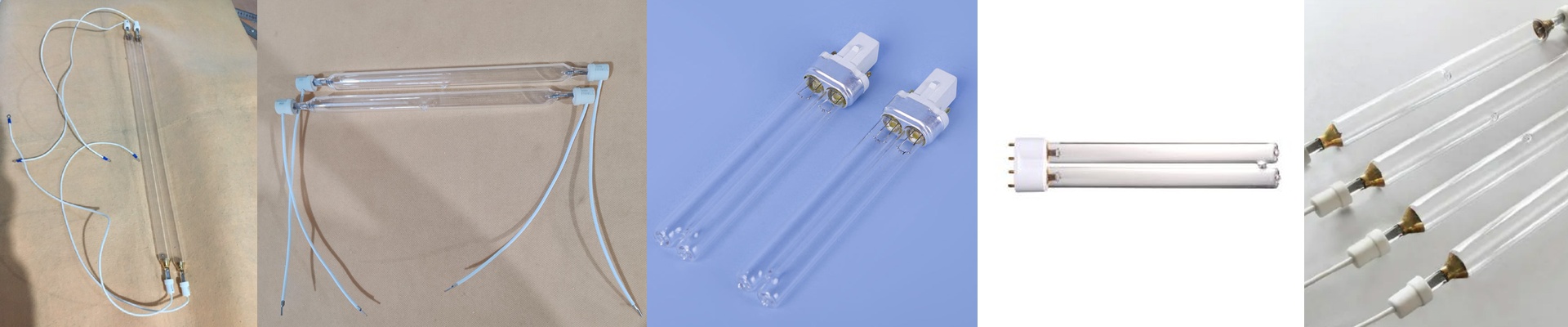
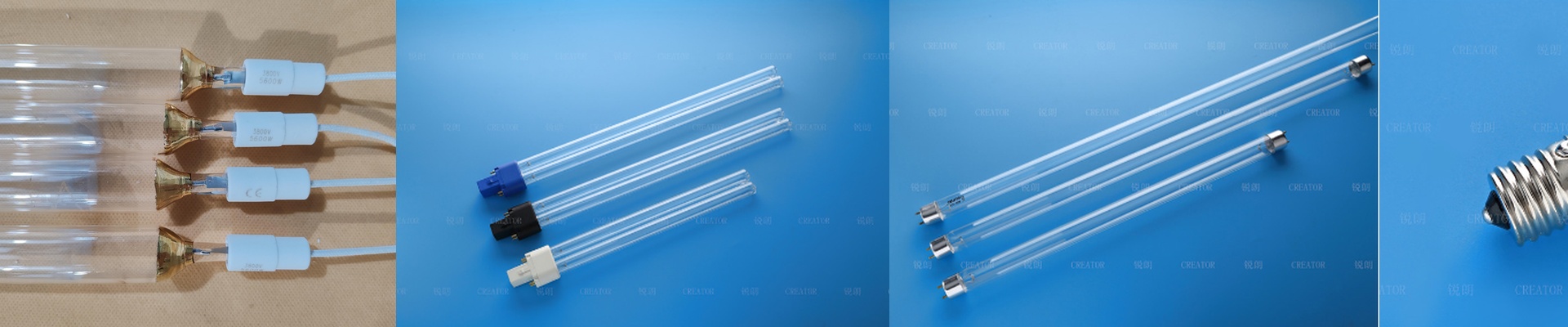
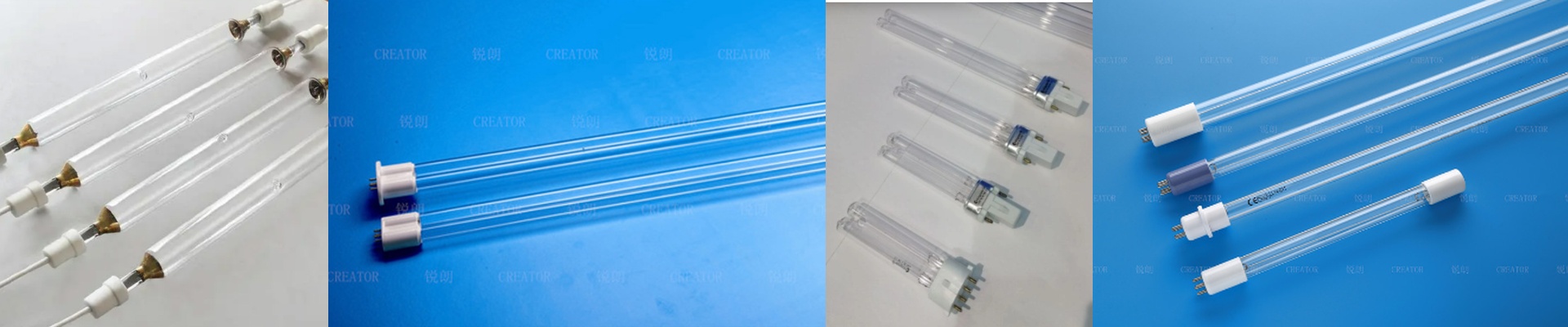
We spent some time visiting 3,000 different printing plants. We wanted to see where UV systems actually fall apart in the real world. What we found is that there’s a huge gap between what the spec sheet says a lamp can do and what actually happens on the shop floor. By 2026, the industry is going to stop obsessing over generic wattage. It’s all about the spectral output—basically, tuning the light to handle high-speed curing without breaking a sweat. The truth about power density Here’s the thing: you aren’t just buying a lamp. You’re managing heat and photons. We noticed a lot of shops over-spec their wattage. They think “more is better,” but that usually just burns out the electrodes way too fast. You don’t need a “bigger” lamp; you need the right amount of intensity hitting the surface. If you speed up your conveyor, you need a shorter wavelength and more punch. It’s a balancing act. You want the ink to cure perfectly, but you don’t want to scorch the paper or melt the plastic. Dealing with the heat High-output lamps get incredibly hot. To get the most UV light through, we use high-purity quartz. It works great, but it’s fragile. You have to get the cooling airflow exactly right. If your cooling system can’t keep up with the heat, the wavelength starts to drift. And that’s when your ink stays tacky. It’s a tough trade-off. Higher intensity is great, but it’ll kill your lamp’s lifespan if your thermal management is sloppy. Making maintenance suck less We’ve started using standardized footprints so you can just drop a new lamp in and go. Changing a lamp shouldn’t be a project that takes an hour of recalibration. By focusing on how the lamp aligns and how stable the electrodes are, we’ve cut down that annoying downtime. The goal is simple: you want a consistent cure across the whole web. It should look the same whether the lamp has been running for 100 hours or 1,000.