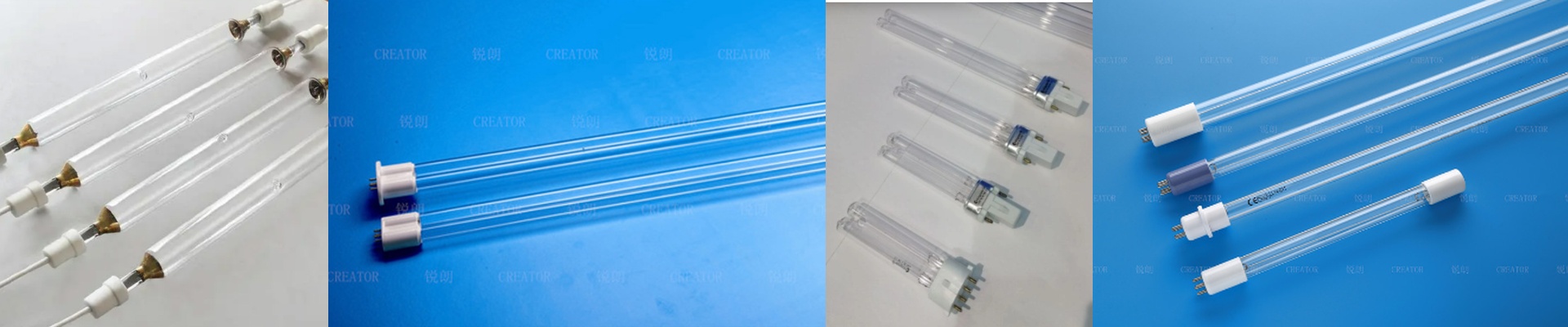
Dealing with Electrical Noise in Your UV Setup
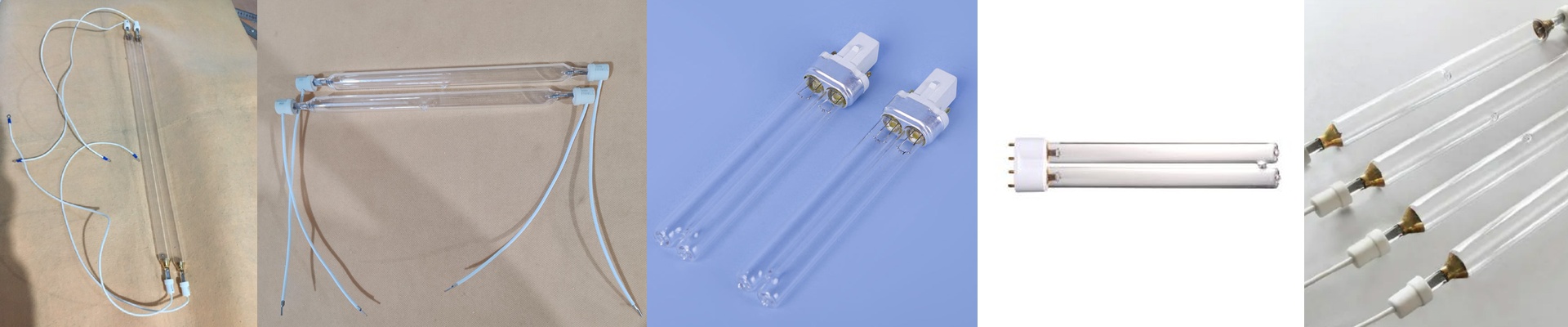
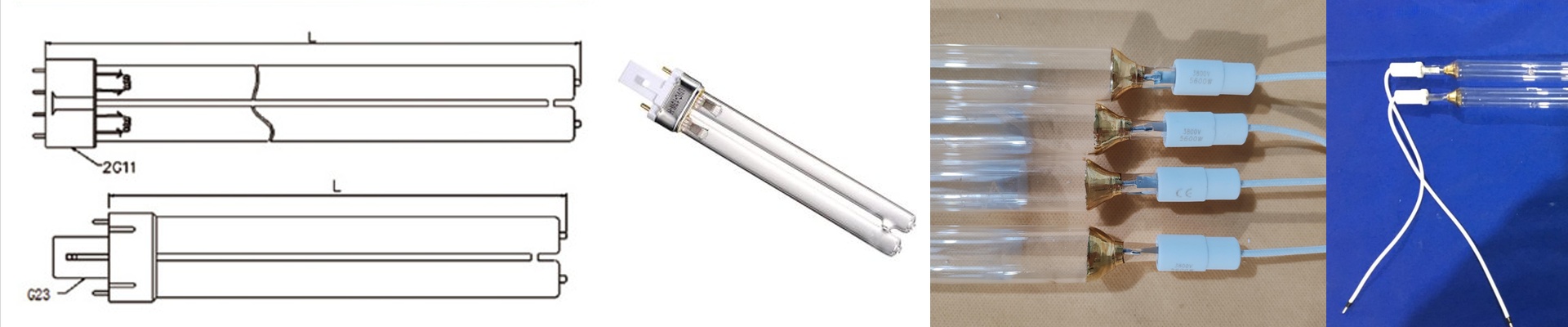
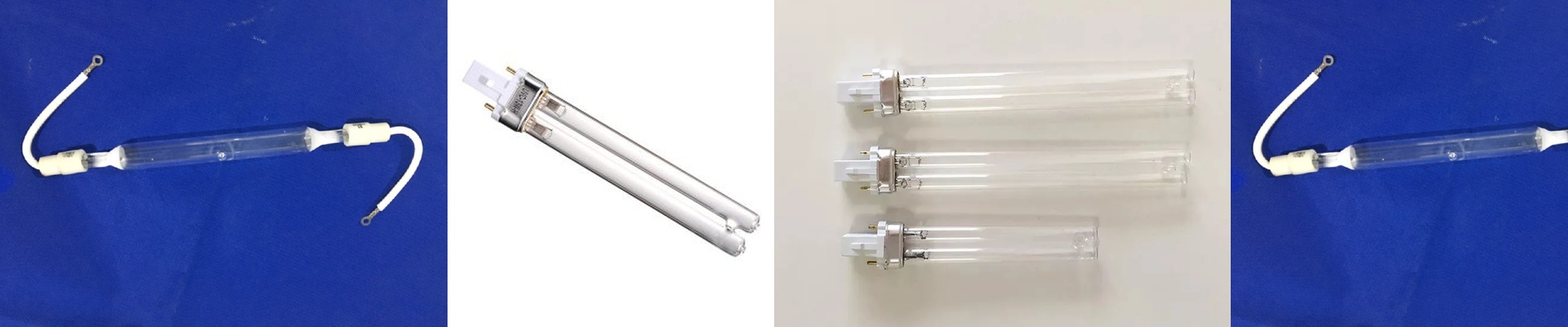
If you’re running a few big printing presses in one shop, you know the electrical environment can get pretty chaotic. High-pressure mercury lamps need a lot of voltage to kick off and a steady hand to keep the current regulated. The result? A ton of electromagnetic interference (EMI). If your lamps aren’t up for the task, you start seeing the red flags. Flickering. Lamps burning out way too soon. Curing speeds that jump around for no reason. It’s a headache nobody needs. The real world isn’t a lab In a busy shop, the power lines are noisy. We build our UV lamps to act as a steady anchor in that storm. We spend a lot of time on the internal electrode geometry and the quartz envelope. Why? Because it keeps the arc discharge consistent, even when the power coming from the wall is acting up. It’s all about the match between the lamp and the ballast. When that’s dialed in, the lamp just ignores the “noise” coming from the machine running next to it. Staying steady when things get loud Most lamps give up in these environments because they can’t handle the voltage spikes that happen in industrial grids. We use a reinforced electrode assembly to stop that from happening. It keeps the arc from jumping or just quitting the moment a nearby press kicks into high gear. You get a steady stream of UV light. No gaps. No missed spots in the cure. The catch: Heat Here’s the thing: that kind of stability creates heat. These lamps run hot. You can’t cut corners on your cooling. If your reflectors are caked in dust or your blowers aren’t pulling enough air, the lamp is going to overheat. Once that happens, the spectral output shifts and your productivity tanks. Keep the airflow clear if you want the lamp to actually last as long as it’s supposed to. We build these for the shop floor. They’re simple drop-in replacements that can take a beating in high-EMI zones without tripping your breakers.