Cleaning Up the Way We Do UV Curing
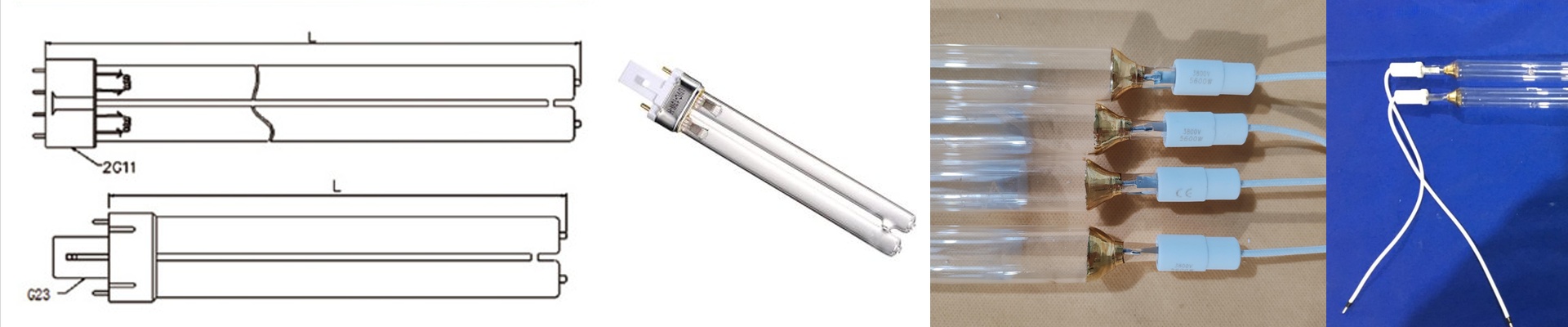
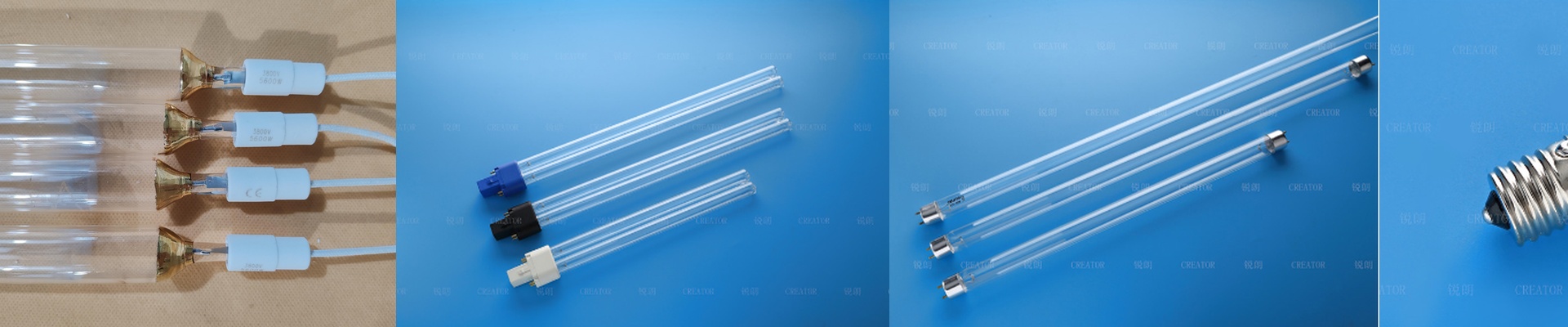
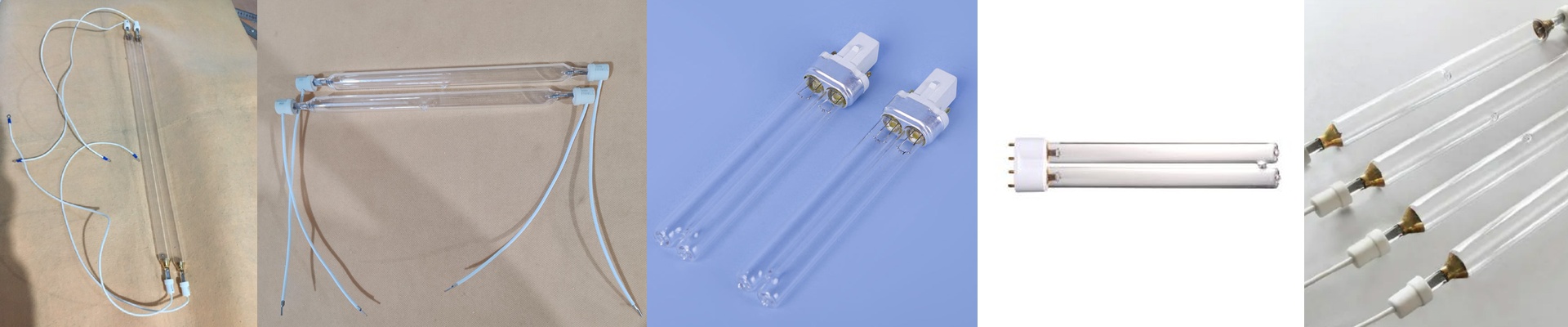
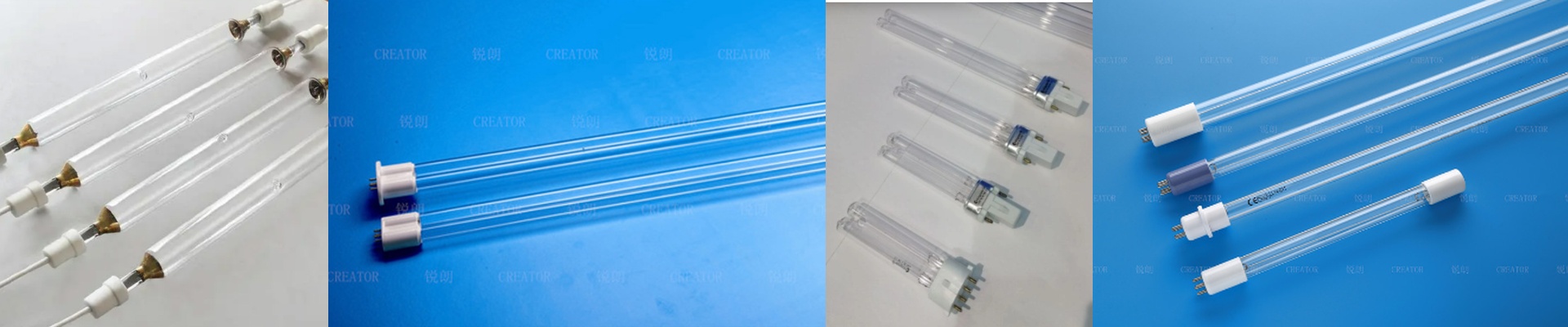
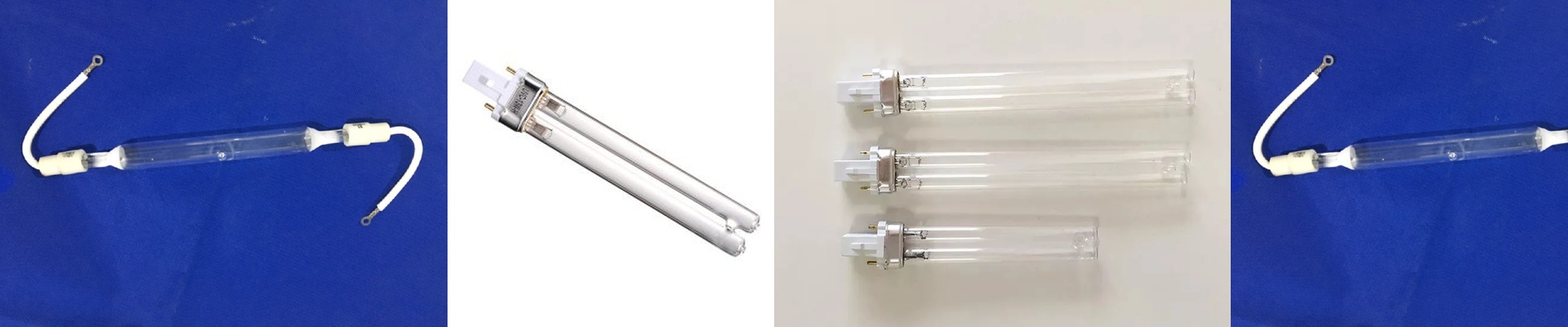
We’re changing how we build our UV lamp replacements. The goal is simple: zero pollution. We’re stripping out the materials that leak nasty gases or mess up your production line, and we’re focusing on making these things last way longer. Less waste, less hassle.
The balance of power and heat
Getting a “smart” lamp right isn’t just about popping in a bulb. It’s a balancing act between wattage and heat. We spend a lot of time dialing in the UV-C and UV-V wavelengths. Now, sure, cranking up the wattage makes things cure faster. But it also turns your setup into a space heater. If your conveyor speed or cooling fans can’t keep up with that heat, you’re going to end up scorching your materials. It’s a tightrope walk.
Better materials, fewer headaches
We’ve ditched the old-school components for stuff that’s actually eco-friendly. For example, we use high-purity synthetic quartz. It stops “solarization”—that annoying process where the glass gets cloudy over time and your UV output just tanks. We also tweaked the electrode chemistry to push the lifespan even further. What does that mean for you? You aren’t spending your weekend doing teardowns and replacements. You just keep the line running.
Putting them to work
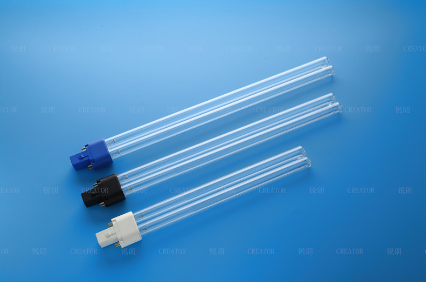
You don’t need to rip out your entire rack or swap your reflectors to make this work. These are drop-in replacements. They fit right where your old ones did. The “smart” part happens in the electronic ballasts. They talk to the system and adjust the power based on what you actually need in the moment. One heads-up, though. Since these lamps are built to last, they’re a bit pickier about power. If your plant has those annoying voltage spikes, you’ll need a stabilized power supply. Otherwise, you’ll fry the electrodes long before their time. It’s a fair trade: cleaner power gives you a lamp that lasts forever.