Why We Obsessed Over 0.5% Spectral Energy
Most people looking for UV lamp replacements just check the wattage and the length. They figure if the numbers match, the lamp works. But we spent our entire R&D cycle chasing something different: a 0.5% spectral energy concentration. If you’re a process engineer, you know this isn’t just a fancy number for a brochure. It’s about making sure the photons actually hit your substrate exactly where they’re supposed to. No guessing. Just precision.
Getting the Physics Right
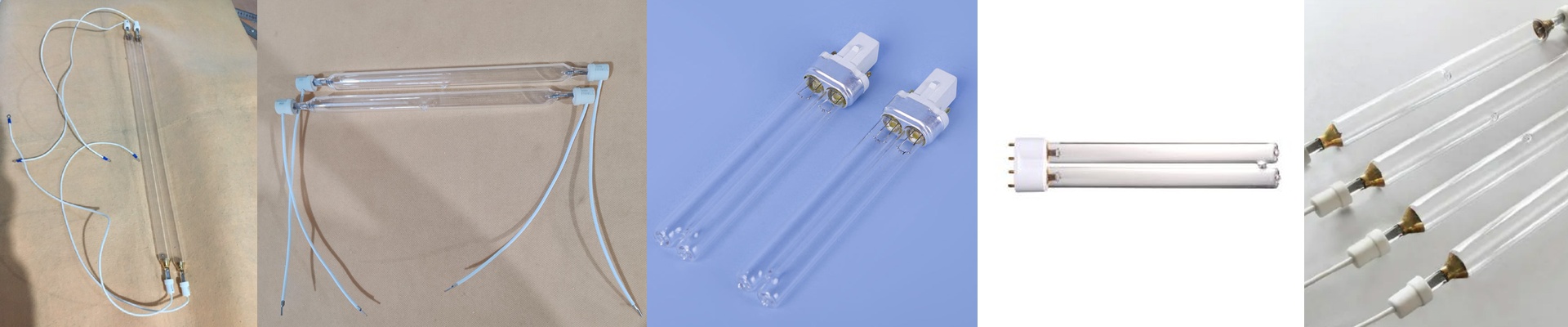
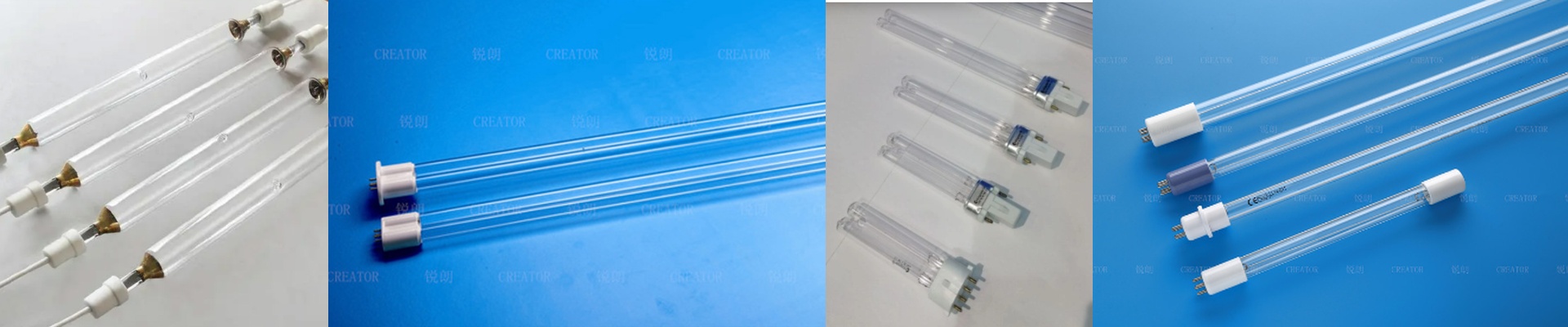
Hitting that 0.5% variance was a nightmare. We had to basically rip apart how we thought about the quartz envelope and where the electrodes sit. See, if the arc drifts by even a fraction of a millimeter, your energy distribution goes sideways. To stop that, we tightened the tolerances on the internal filament alignment. It stops those annoying “hot spots” that usually kill a tube way too early. We aren’t just handing you a bulb. We’re giving you control over the arc geometry so the output stays rock-solid from one end of the lamp to the other.
The Trade-off (Read This Part)
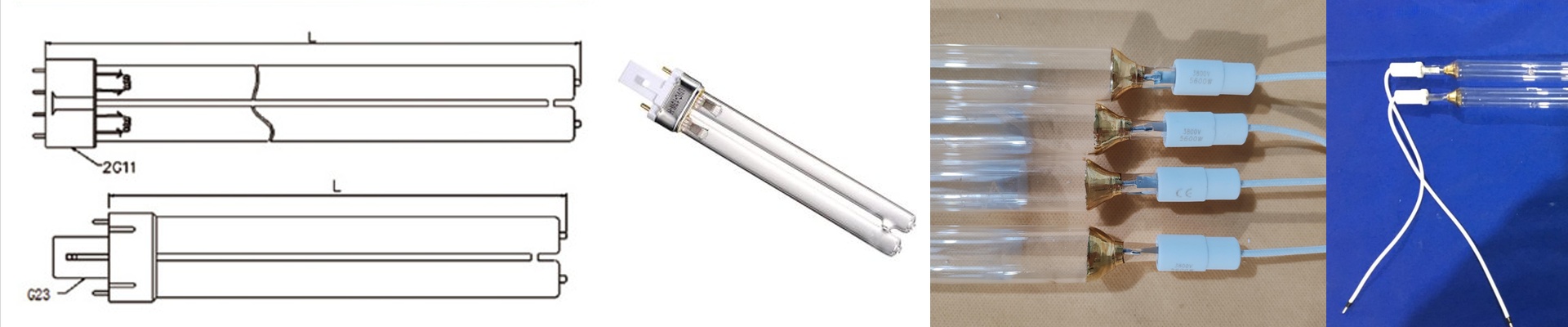
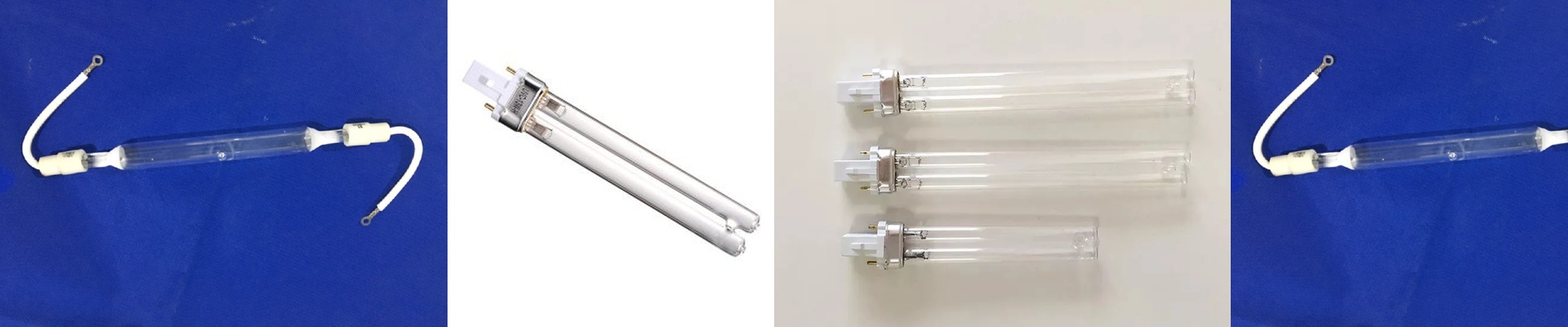
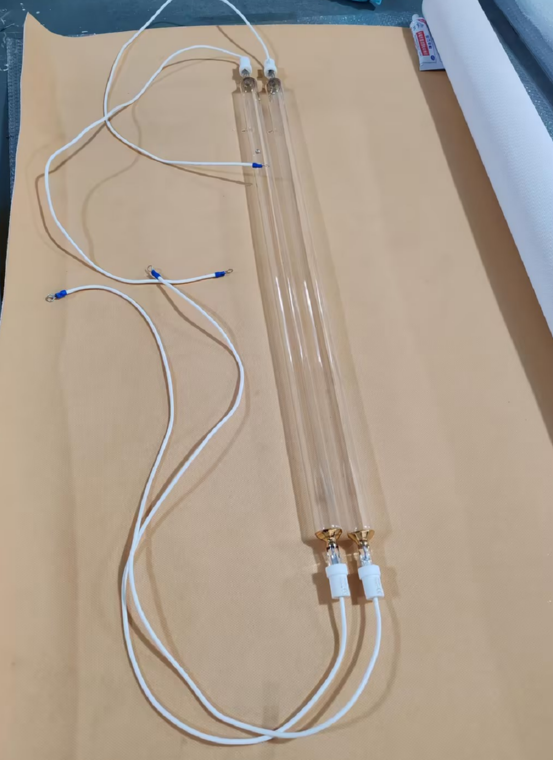
We use high-purity fused quartz because it lets more shortwave radiation get out of the tube without getting absorbed. It’s great, but it comes with a catch. These lamps are incredibly sensitive to skin oils.Seriously. One single fingerprint on the quartz during installation creates a thermal stress point. Once you fire it up at high intensity, that one spot will burn right through the tube. Please, for the love of your equipment, use lint-free gloves when you’re wiring these up.
Putting Them to Work
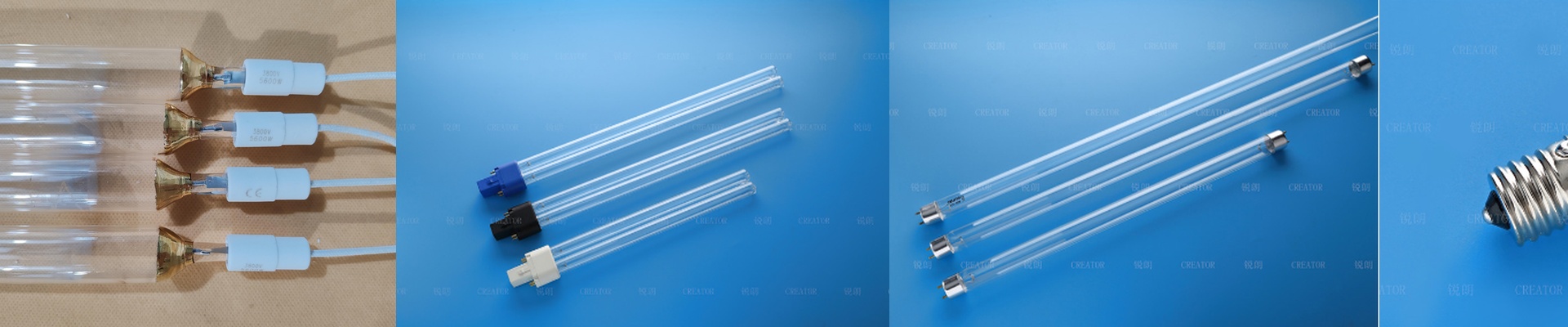
These are drop-in replacements for your high-precision curing or sterilization lines. When you run a system with 0.5% concentration, you stop wasting energy as infrared heat in the wrong places. That means you don’t have to buy those massive, oversized cooling arrays. And the best part? Your cure window gets way tighter. You can crank up your line speeds without waking up in a cold sweat wondering if some sections of your product are under-cured. Just a heads-up: make sure your ballasts match our impedance curves. If they don’t, you’ll get flickering, and nobody wants that.