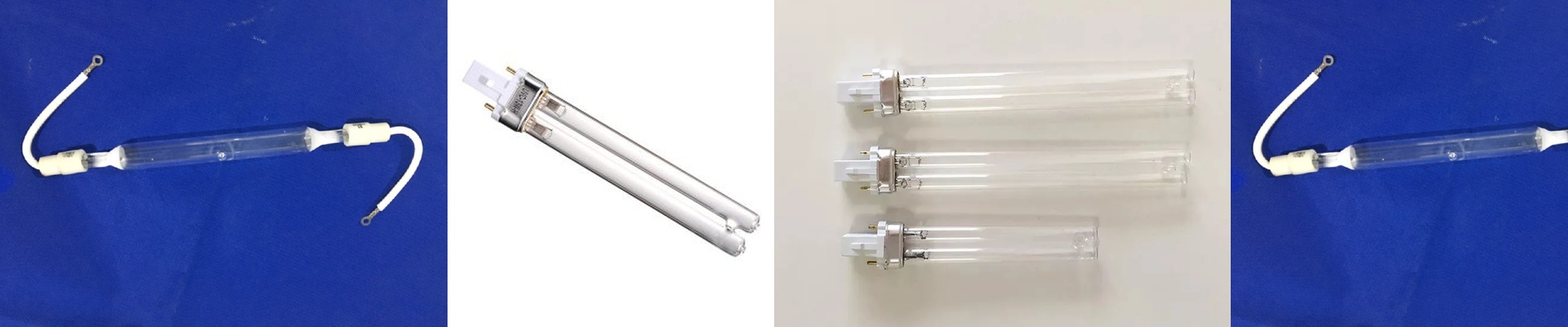
Stop thinking of UV lamps as just “curing tools”
Most people see a UV lamp and think of it as a simple switch—on or off, cure or no cure. But if you’re running a modern production line, that mindset will cost you. We look at it differently. For us, it’s all about how you deliver energy. When you move from a basic lamp to a smart system, you aren’t just upgrading hardware. You’re moving from “guessing” to actually knowing what’s happening on your line.
Getting the physics right
We don’t just ship you a bulb and wish you luck. We look at the whole picture. Depending on what you’re working with, we tweak the wavelength and intensity to hit that exact cure rate you need. Maybe you need Gallium-doped lamps to get a deeper soak, or mercury-free LEDs because you can’t afford any heat spikes. It all comes down to one thing: getting enough photons to hit that photoinitiator at the right density. And let’s be honest—high-output UV getshot. If you crank up the wattage to speed up your line, you’re basically putting a heater over your conveyor. If you aren’t careful, your parts start warping. That’s why we build cooling paths right into our OEM modules. It keeps things chill so your parts stay flat.
Making it actually fit
There is nothing worse than buying a system that doesn’t play nice with the rest of your gear. We design our modules to either drop right into your existing setup or blend into a new one. We obsess over the boring stuff—the electrical interfaces, the mounting brackets, the cabling. We use shielded cables because electromagnetic interference (EMI) is a total nightmare. There’s nothing more frustrating than a UV power supply messing with your PLC controllers and causing ghost errors in your system. We just kill that problem before it starts.
The balancing act: Speed vs. Burnout
Here is the trade-off: you can run a lamp at 110% power to shave a few seconds off your cycle time. Sure, it’s faster. But you’re also cooking the electrodes. It’s a tug-of-war between how much you can push the equipment and how often you have to stop to fix it. We help you find that sweet spot. We’ll give you the raw data on how the lamps degrade over time, so you can plan your swaps during scheduled downtime. No one wants the line to go dark on a Tuesday afternoon because a bulb finally gave up.