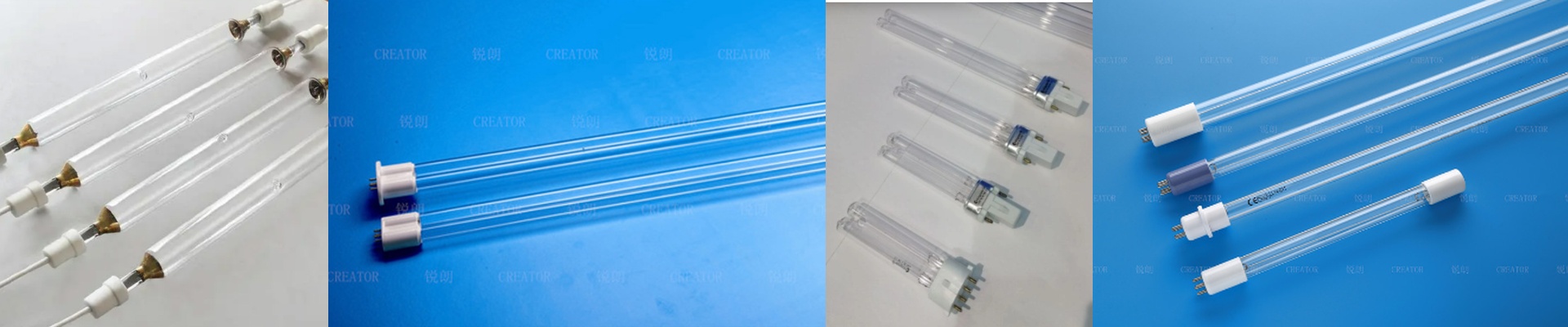
Getting the Spectral Energy Right: The 0.5% Challenge
When most people look at a UV lamp, they just see a light. But if you’ve ever dealt with a coating that peels off right after it’s “cured,” you know it’s a lot more complicated than that. It usually comes down to how the energy is spread out. My team spent a lot of time lately trying to tighten that spectral energy concentration to 0.5%. Now, that’s not some random number we picked to look good on a datasheet. For high-precision polymers, it’s basically the difference between a product that lasts and one that fails.
The struggle with “Spectral Drift”
Here’s the problem: most lamps suffer from spectral drift. Basically, the energy leaks. It wanders off into wavelengths that your resin simply doesn’t care about, which means you’re wasting power and getting a sloppy cure. We fixed this by messing around with the gas mixture and tweaking the electrode geometry. By getting the arc to stay stable, we could force the photons into a much tighter band. It’s like switching from a floodlight to a laser. You get a tighter cure and way less wasted heat.
The trade-offs (because there’s always a catch)
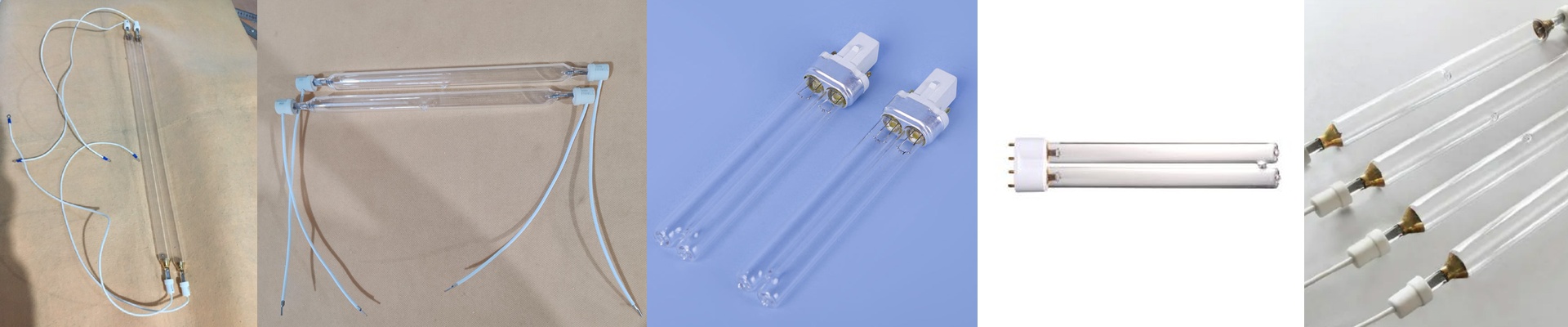
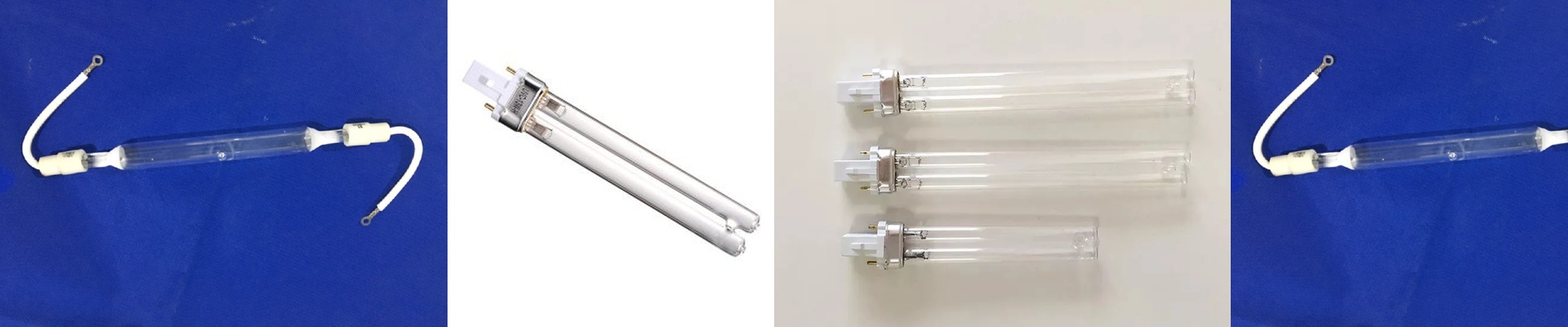
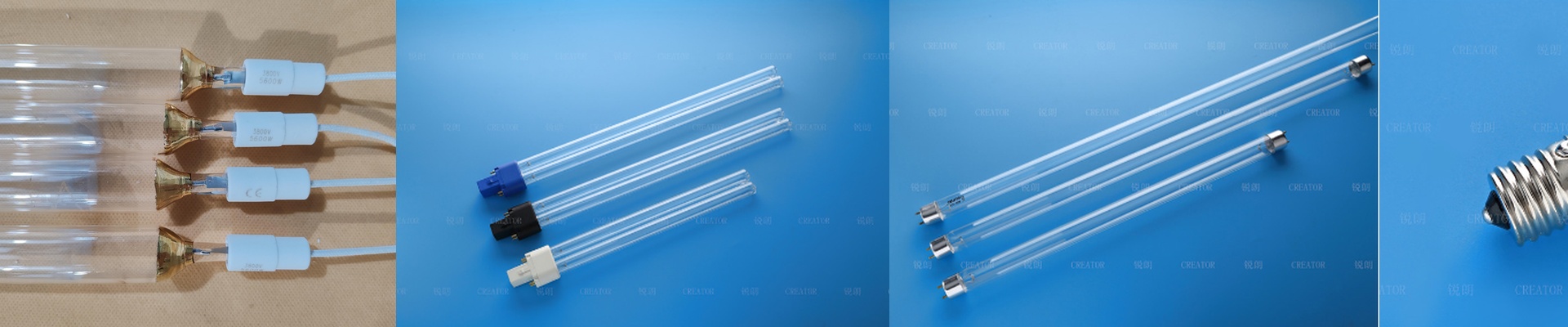
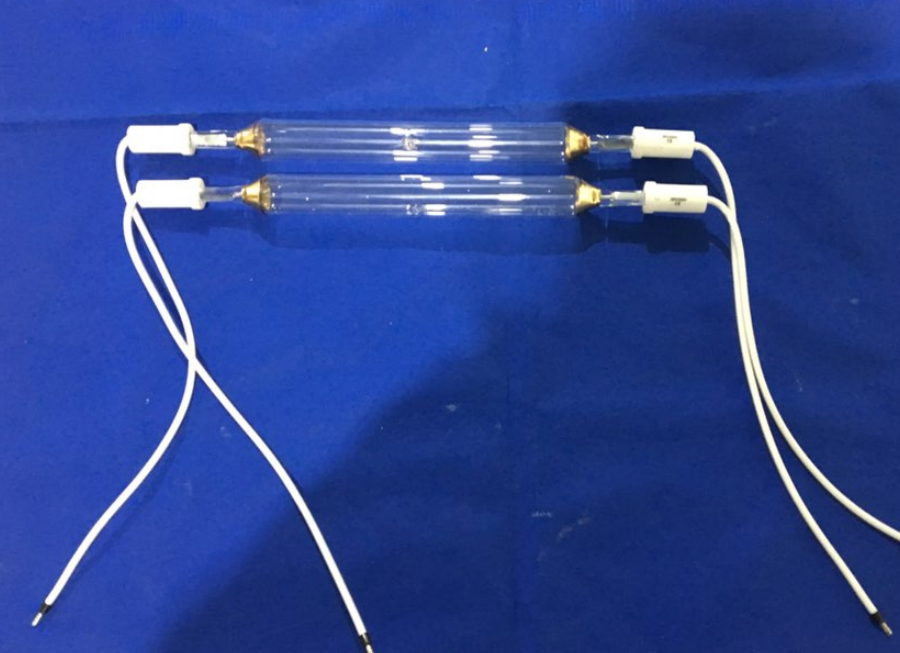
To make this work, we had to go with high-purity synthetic quartz. Standard glass is a no-go—it would block the shortwave UV or just melt under the heat. We needed something that could handle extreme temperature swings without warping. But here is the thing: pushing for that 0.5% concentration puts a lot of pressure inside the tube. Because of that, you can’t just plug these into a cheap, noisy power supply. If your ballast has a voltage ripple, the arc will flicker. And the second it flickers, all that stability we worked so hard to build just disappears.
Putting it to work on the floor
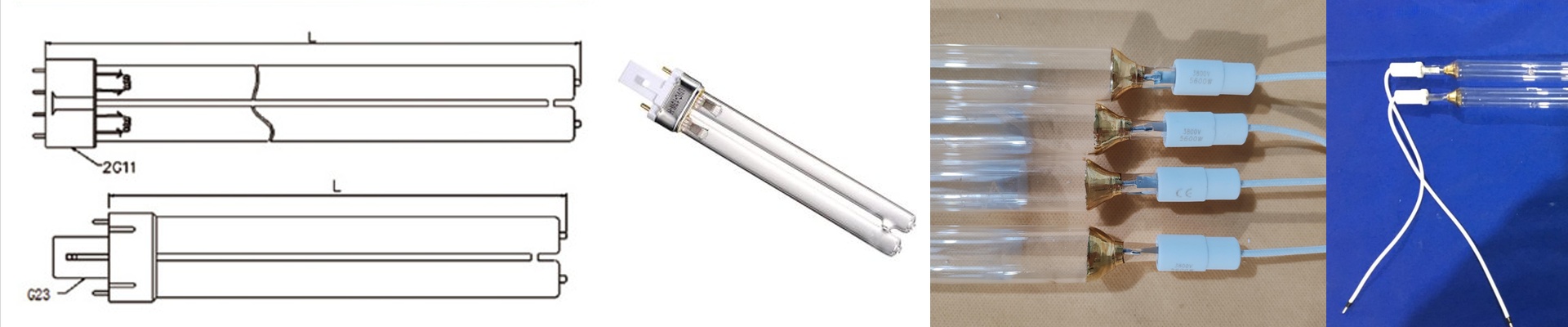
The good news is that these are drop-in replacements. We kept the footprint the same, so you don’t have to rip out your reflectors or rebuild your whole setup. Just one tip: check your cooling fans. Since we’re concentrating so much energy into one spot, the heat density at the arc is intense. If your airflow is weak, the quartz will overheat. Once that happens, the precision drifts, and you’re right back where you started. Keep them cool, and they’ll do the job.