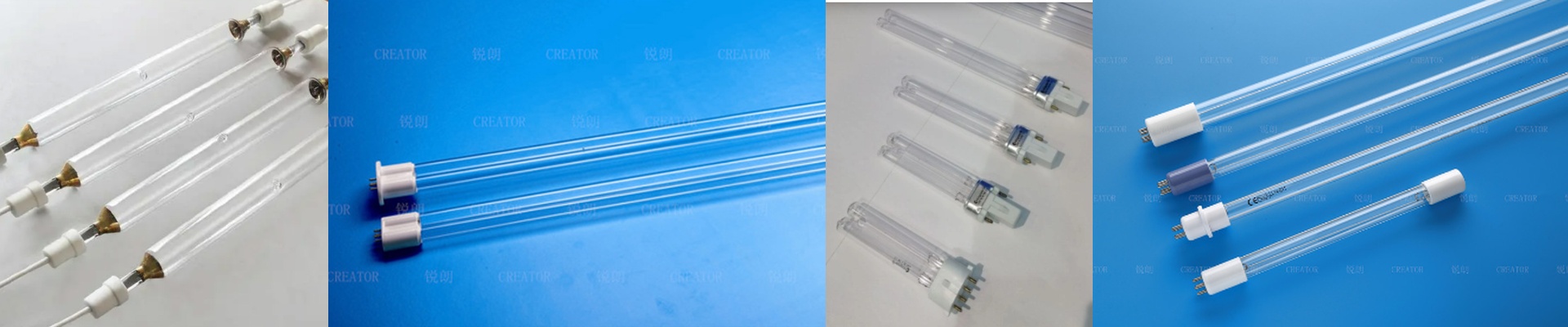
Dealing with Electrical Noise in Multi-Press UV Lines
If you’ve got several big printing presses running in one shop, you know the headache. You’re basically dealing with a storm of electromagnetic interference. High-pressure mercury lamps need a steady hand from the ballast to keep that arc humming. But when your lamps can’t handle the “noise” coming from the machine next door, things go south. You get flicker. You get lamps burning out way too early. Or worse, your curing speeds start jumping around.
How we stop the flicker
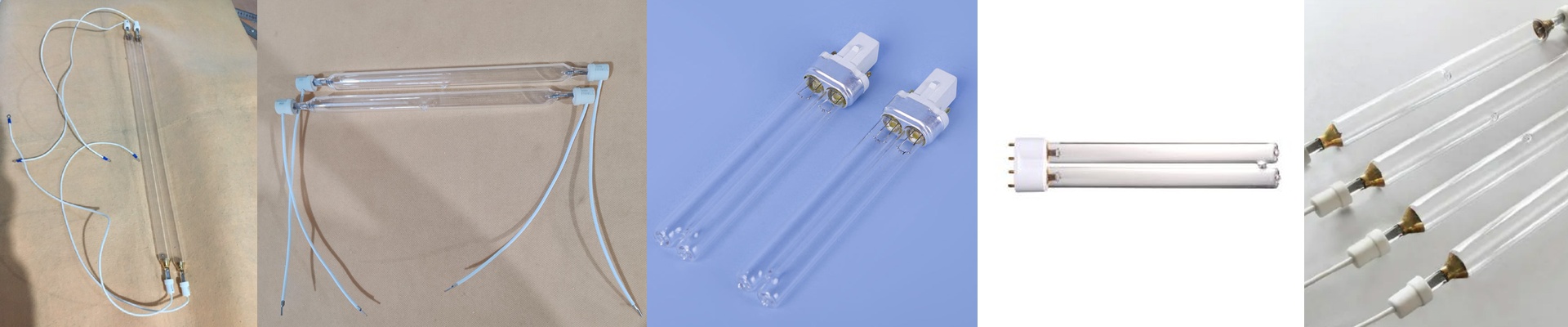
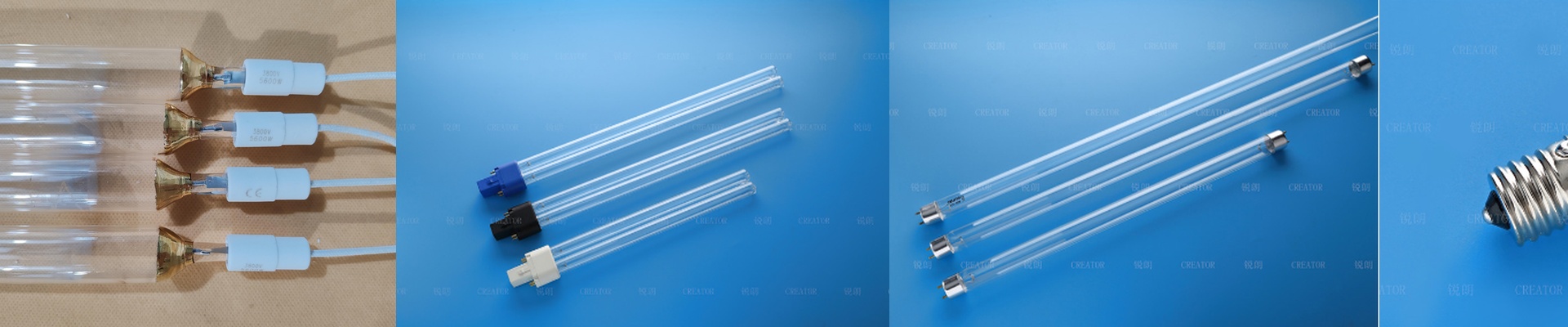
We build our UV lamps to handle “dirty power.” That’s just the reality of industrial shops. Most of the stability problems happen because the lamp’s electrode chemistry is fighting with the electrical environment. To fix that, we use a specific quartz blend and electrode alloy. It keeps the plasma arc steady, even when the line voltage starts acting up. It stops the lamp from “hunting” for a stable voltage. When the arc stays locked in, the UV output stays flat. You won’t see those annoying curing streaks that pop up every time a nearby motor kicks on.
Fitting them into a crowded shop
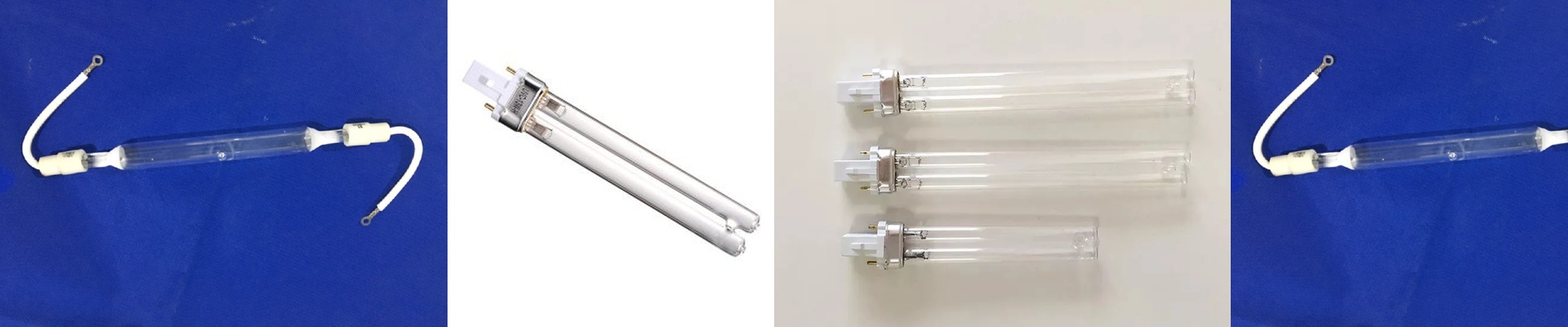
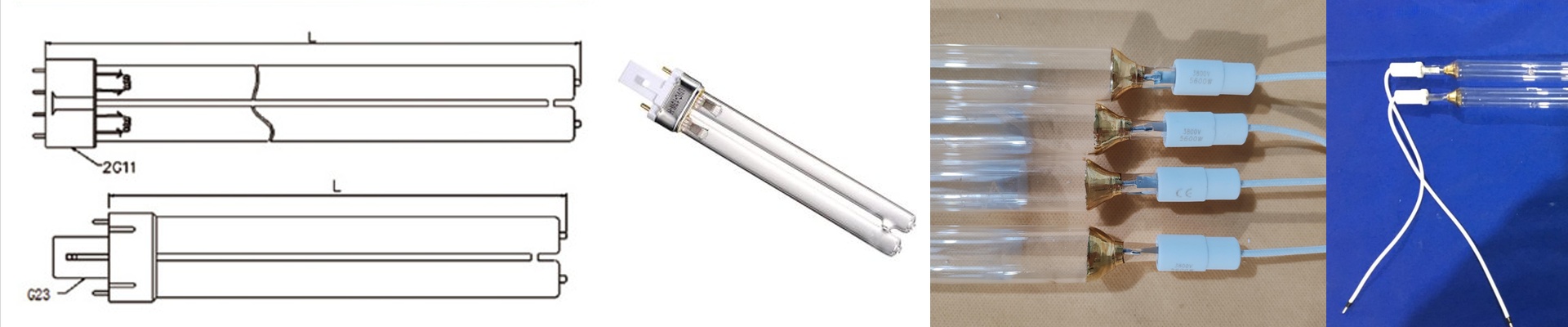
These are drop-in replacements. They fit right into your standard high-pressure mercury systems. The secret is in the impedance match between the lamp and the ballast. We make sure they aren’t fighting each other for power. You get a steady stream of UV. When you have five or six presses running side-by-side, this is the only way to survive. Otherwise, you’ll spend more time tweaking conveyor speeds than actually getting work out the door.
The catch: Heat
Here’s the thing. Stability and interference resistance aren’t free. These lamps run hot. To keep the quartz from stressing out under high wattage, your cooling blowers have to be up to the task. If your airflow is weak, all that heat buildup will kill the electrical stability and eat away at the lamp’s lifespan. Keep your reflectors clean. Keep your fans spinning. That’s how you actually get the full life out of these things.