Introduction
You know that sinking feeling when you pull a freshly printed garment out of the wash, only to see the design cracking and peeling? It’s frustrating. It’s a waste. And honestly, it’s usually because the curing lamp just didn’t do its job. The ink never got the chance to fully set. So, we built the Gallium Iodide lamp to fix that. It was designed from the ground up for deep-curing, giving your ink the kind of hardness and adhesion it needs to actually last.
The Power Behind the Cure
Here’s the thing about this lamp—it’s all about intensity. It’s built to blast through thick layers of ink, not just skim the surface. We’re talking about a stable, high-energy output that gets right to the core of the ink. It’s not about a quick dry. It’s about delivering the kind of photon power that drives the curing reaction all the way through, right down to the fabric. That’s how you avoid that weak, uncured center. The stuff that cracks the second it gets stretched or washed.
What’s Inside Makes the Difference
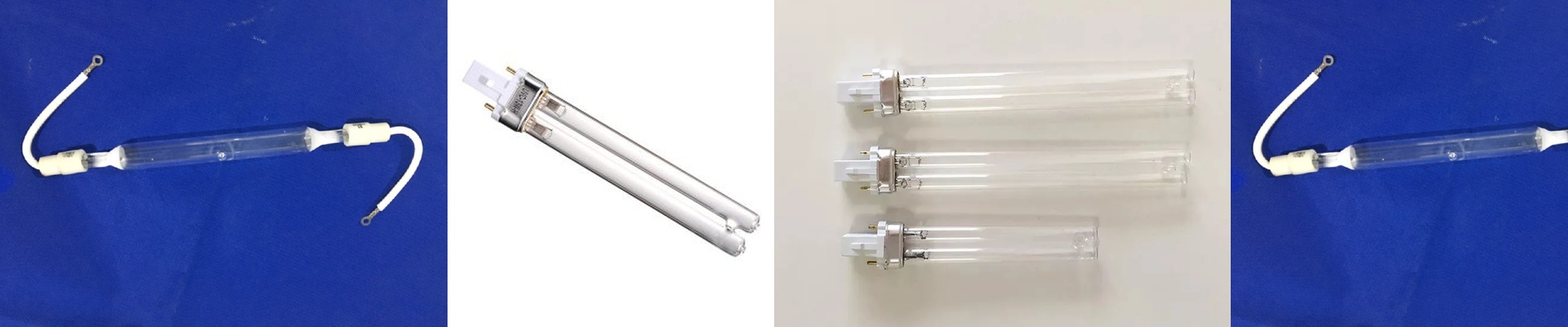
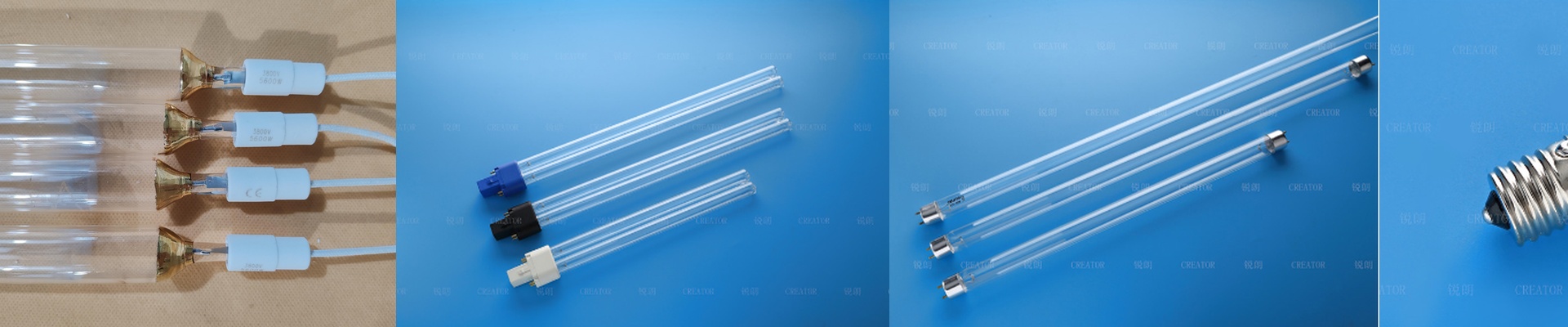
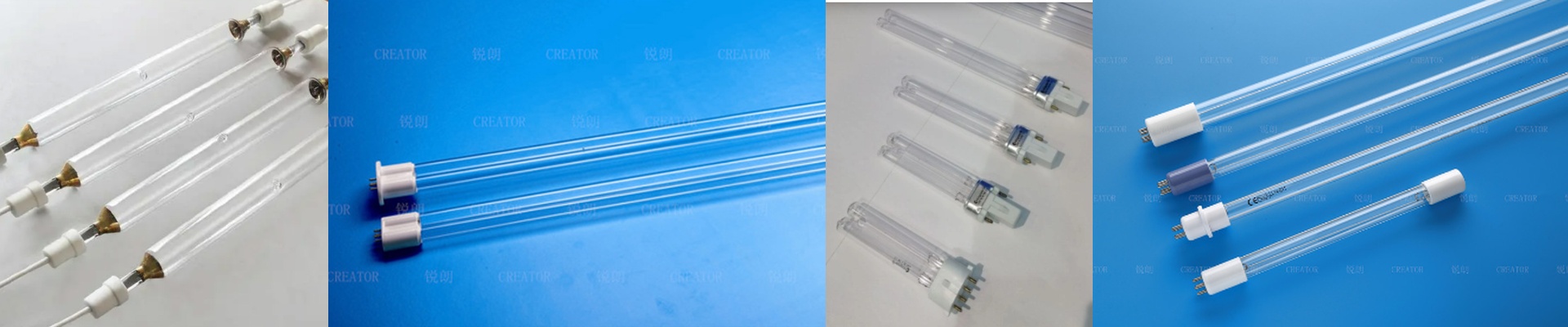
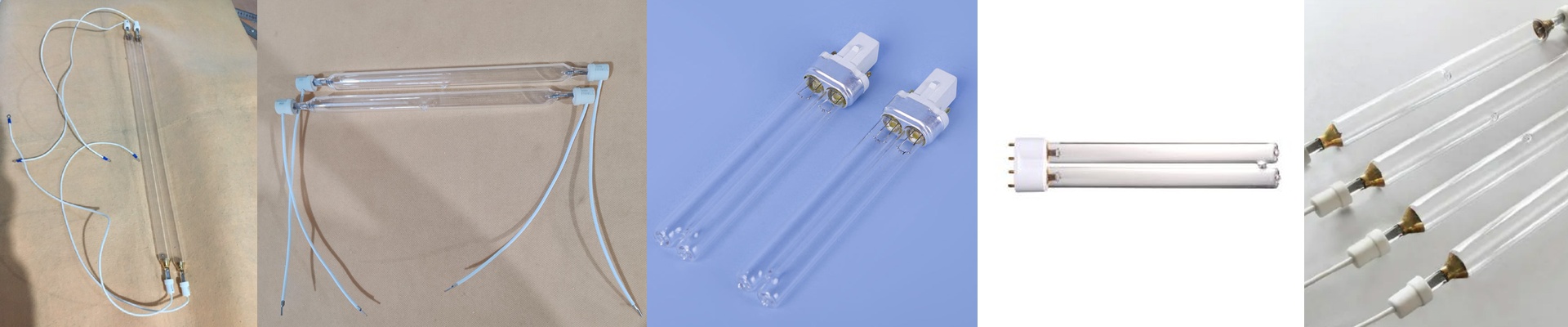
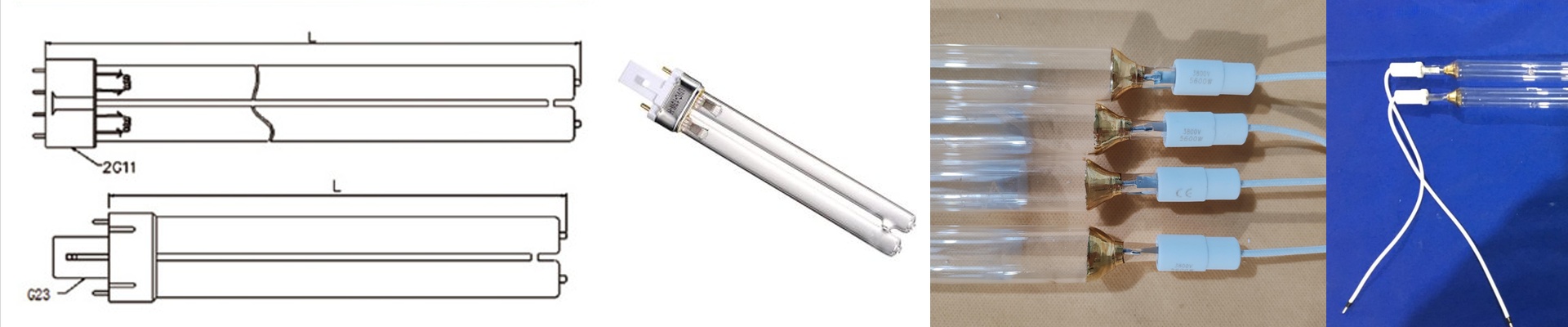
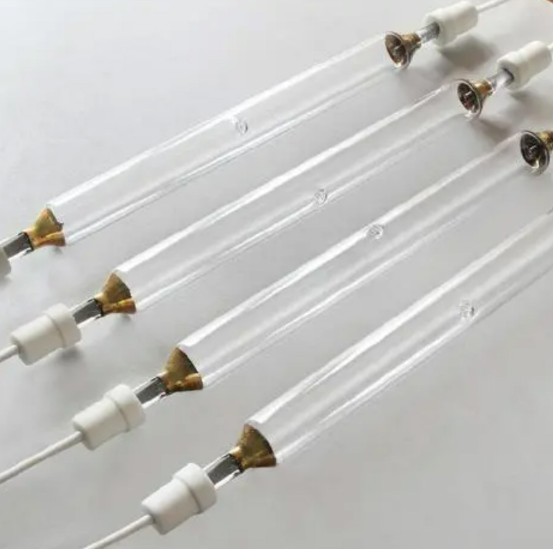
The magic is in the chemistry. We use a precise Gallium Iodide mixture inside the quartz envelope. This shifts the light spectrum to perfectly match what modern UV inks are designed to absorb. What does that mean for you? More of the lamp’s energy goes into curing, not just heating up your machine. It’s more efficient. Smarter. And the R7s bi-pin base? It’s a simple, solid connection that gives you the high current you need. It’s a direct swap for standard fittings, so you can get it installed and running on your existing equipment without a hassle.
The Trade-Off You Need to Know
This lamp is a workhorse. On glass printing lines and garment decoration setups, it delivers the kind of consistent, wash-proof results you’re after. That deep cure gives you the adhesion you need. But there’s a trade-off. Because of that high power, it generates a lot of heat. That means your machine’s cooling system has to be up to the task. If the temperature isn’t managed, you can shorten the lamp’s life and even risk damaging what you’re printing on. It’s a powerful tool. And like any serious tool, it needs a system that can handle it.