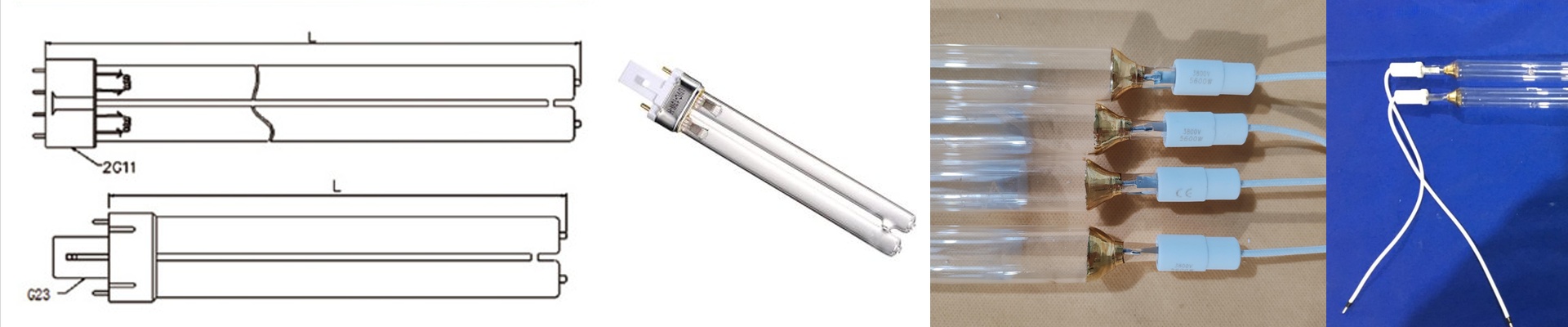
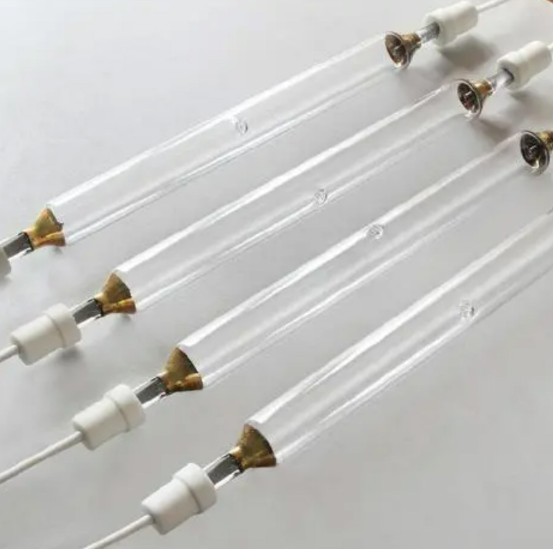
Getting the Wavelength Right: Why 253.7nm Actually Matters
A lot of companies sell UV lamps and tell you they “disinfect.” But here’s the thing: not all UV is created equal. If you want to actually kill germs, you have to hit a very specific sweet spot—253.7nm. It’s not just a random number. That’s exactly where the DNA and RNA of microorganisms soak up the most energy. It basically breaks their internal machinery so they can’t replicate. If you miss that mark, you’re just shining a light; you aren’t sterilizing.
The battle against “drift”
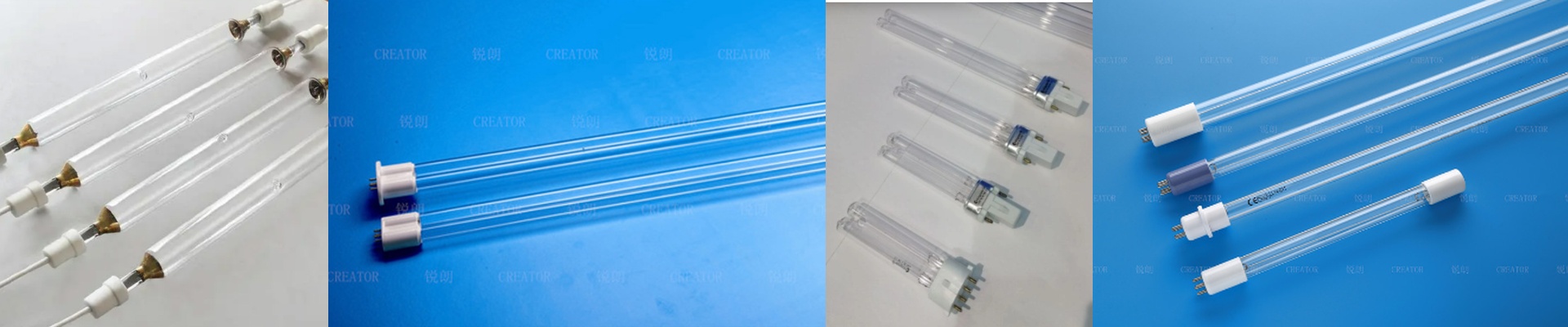
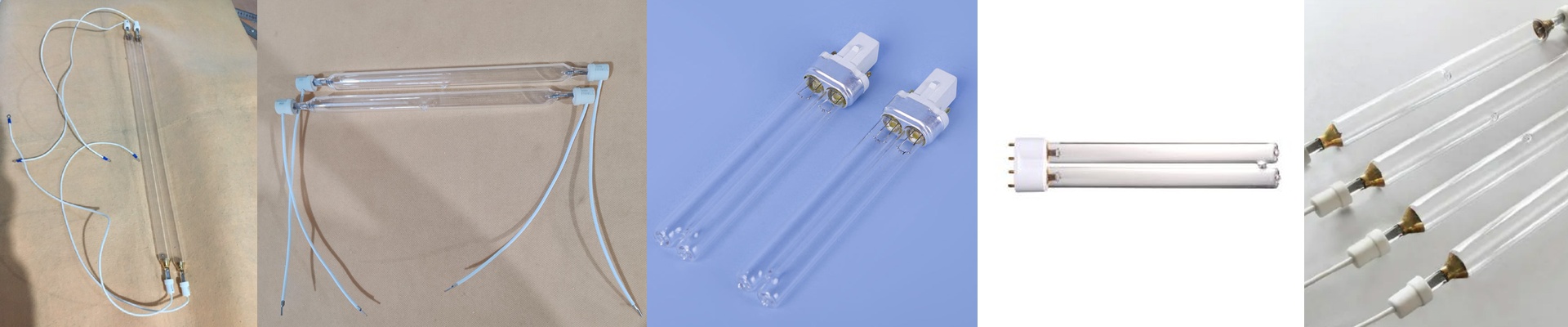
In our lab, we spend a huge amount of time fighting something called spectral drift. It sounds technical, but it’s simple: if a bulb shifts even 10nm off-center, the sterilization rate tanks. To stop that from happening, we use high-purity synthetic quartz for the tube. Regular glass is a wall—it blocks UVC. Our quartz lets those 254nm photons fly right through. We also obsess over the electrodes. We use materials that stop “sputtering”—that annoying process where metal deposits cloud up the glass over time. It keeps the light clean and consistent from one end of the tube to the other.
Dealing with the “Bulk” Headache
When you’re ordering hundreds or thousands of tubes, the biggest nightmare is variance. You can’t have one lamp hitting 254nm and the next one hitting 260nm in the same array. That’s how you get blind spots in your disinfection. We keep our gas fills—the mercury vapor and inert gases—on a very tight leash. That way, when you wire up a 1,000-unit shipment, every single lamp behaves exactly like the one next to it. No guessing games.
A few things to keep in mind
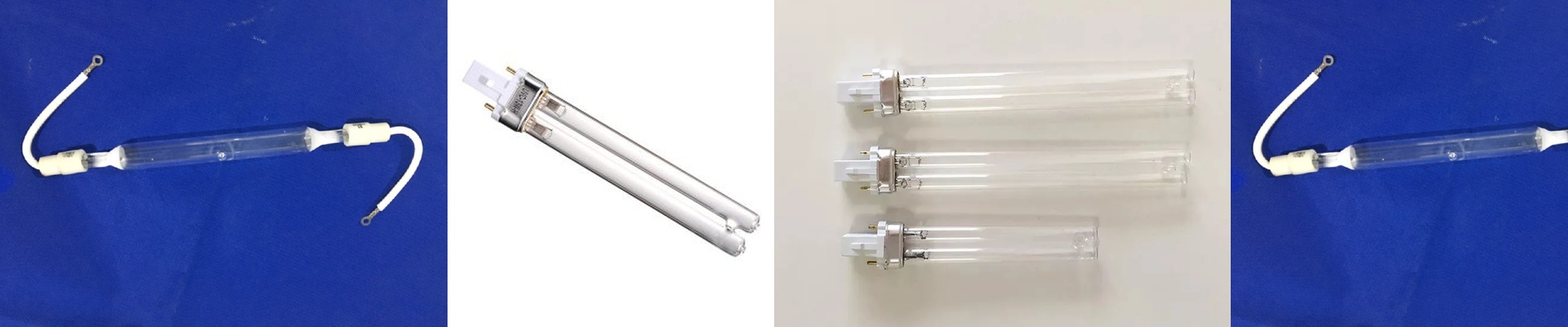
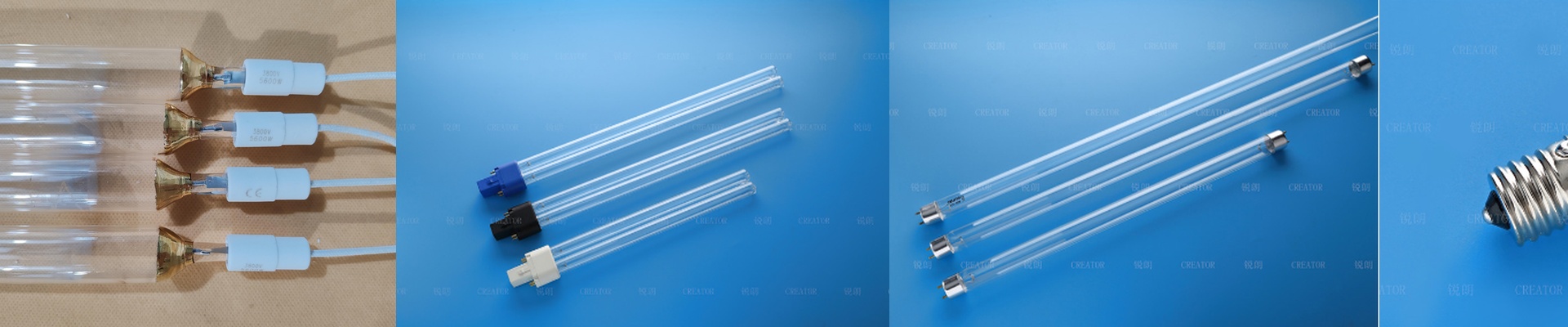
High-output UVC bulbs get warm. They aren’t space heaters, but the ballast and the glass surface will definitely heat up. If you cram these bulbs too tightly into a chassis without any airflow, you’re going to burn out the cathodes way faster than they should. Just make sure your housing has some room to breathe and can handle a bit of thermal expansion. We build these for real-world industrial use. If your ballast voltage matches our specs, these are simple drop-in replacements for your HVAC or water systems. No fluff. Just the photons you need to get the job done.