Getting Your UV Lighting Right (Without the Headaches)
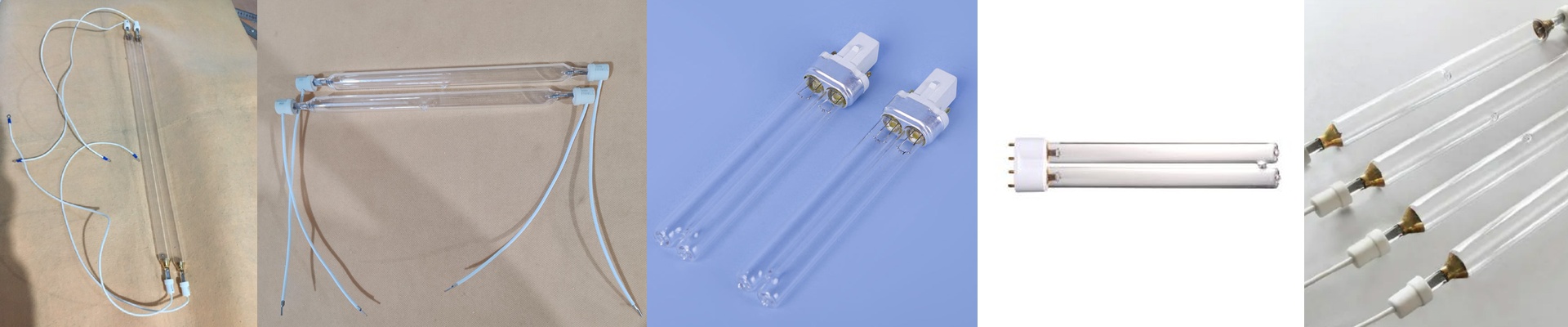
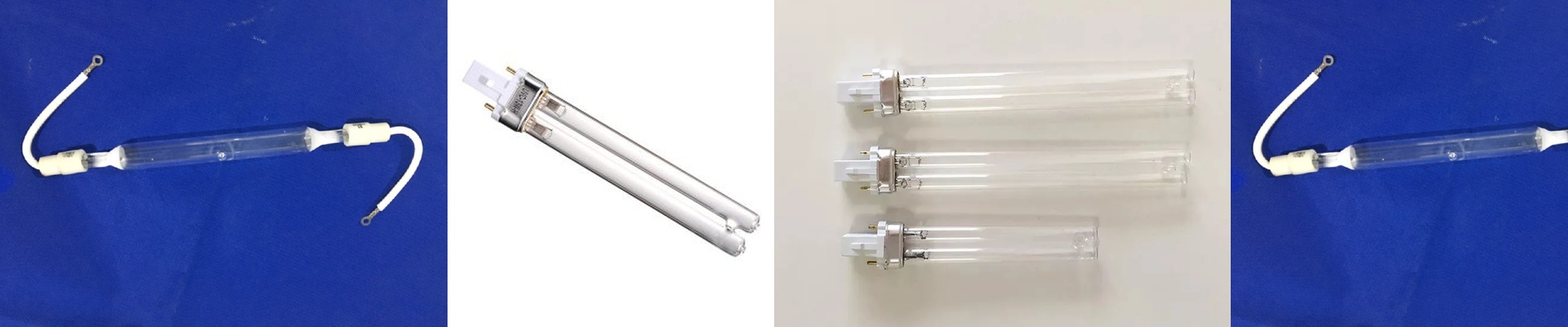
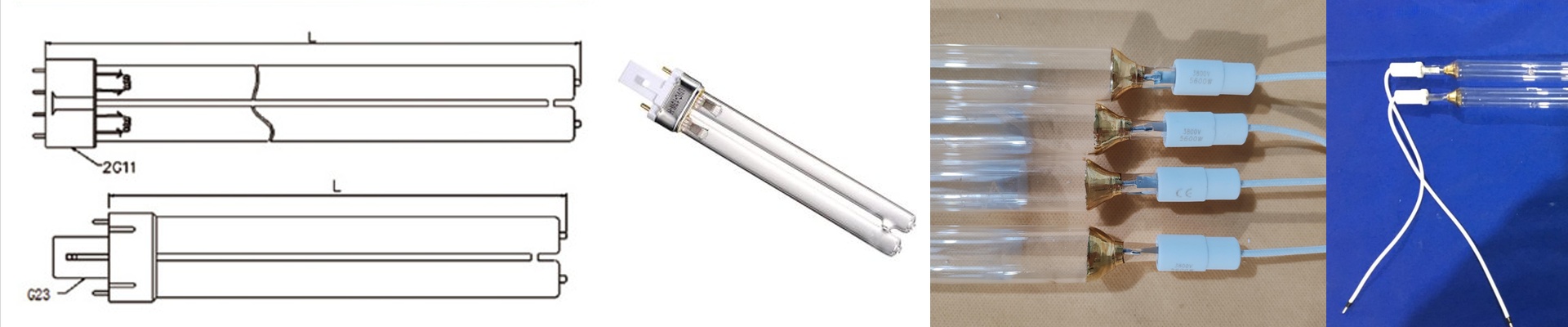
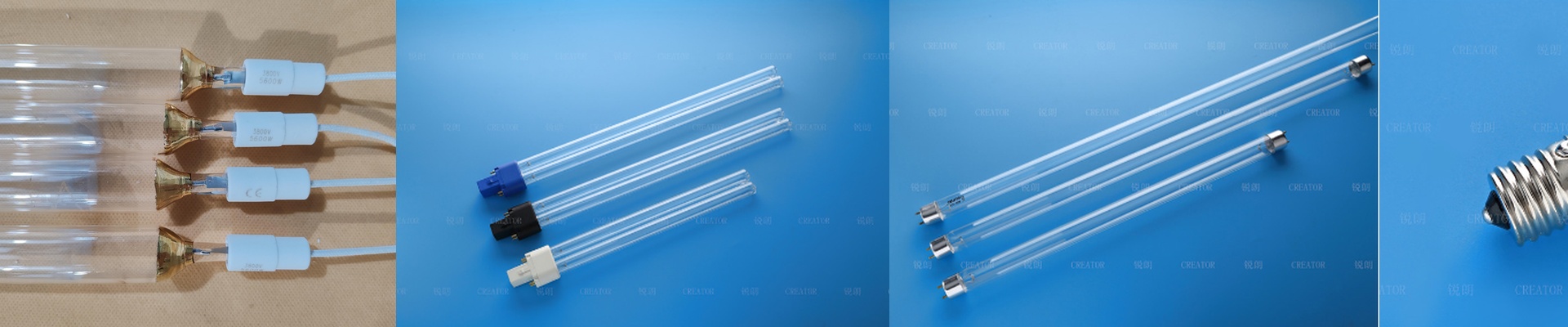
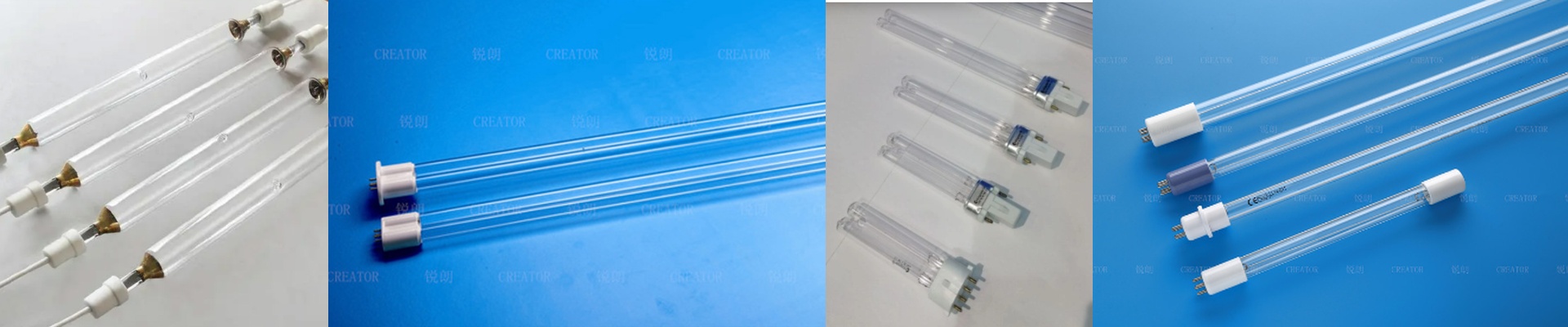
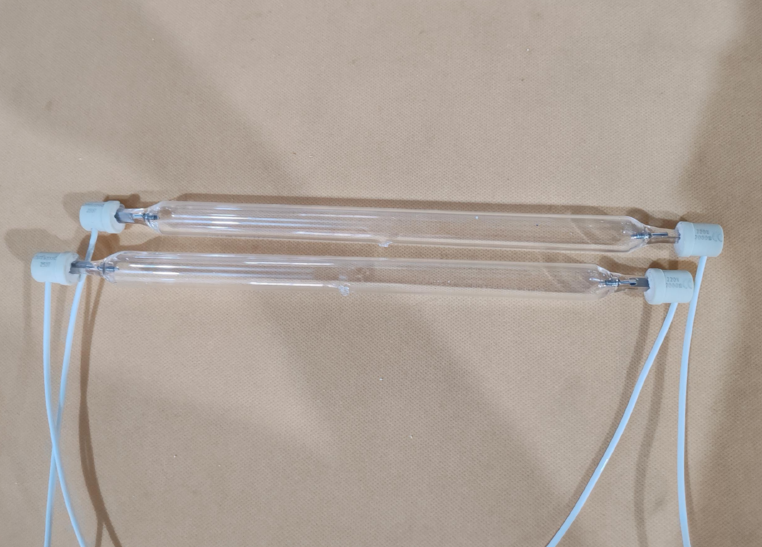
Let’s be honest: UV lamps aren’t just bulbs you swap out when they flicker. They’re the engine behind your entire finish. If the light isn’t hitting the ink just right, you’re left with a mess—either tacky, uncured ink that smudges or, even worse, a substrate that’s been scorched. The balance of power and speed We build our replacements to hit those specific nanometer ranges you actually need. If you’re doing surface curing, you want UVC. For deeper penetration, UVA is your best bet. But here’s the tricky part: the wattage-to-length ratio. Sure, cranking up the wattage in a short tube gives you a faster cure. It feels great for line speed. But it also pumps out a ton of heat. If you aren’t careful with your conveyor speed, you’ll end up warping your material. It’s a delicate dance. Why the glass actually matters We use high-purity fused quartz because cheap glass is a thief—it steals the very wavelengths you’re paying for. These tubes live a hard life. They heat up, cool down, and repeat, over and over. That thermal stress is what usually kills a lamp. That’s why we obsess over the seals where the electrodes meet the quartz. If that seal holds, the lamp lasts. Simple as that. The trade-off: Speed vs. Longevity It’s tempting to push a lamp harder to get more prints out the door. You can overdrive the voltage and get a faster cure today. But there’s a catch. You’ll be replacing that tube twice as often. In the long run, it’s a pain. We usually suggest sticking to the rated voltage. Your maintenance schedule stays predictable, and you aren’t constantly climbing ladders to swap bulbs. Fitting in without the fuss Nobody wants to spend a weekend rewiring a ballast or messing with reflectors. Our lamps are designed to be drop-in replacements. They match the footprint and connectors of your OEM rigs exactly. You just pop the old one out, slide the new one in, check your intensity meter, and get the line moving again. No drama.