Why “Off-the-Shelf” UV Lamps Usually Fail on the Shop Floor
I’ve spent time auditing about 3,000 printing facilities, and I keep seeing the same mistake. Companies buy a UV lamp based on a spec sheet, plug it in, and then wonder why it isn’t working. The problem is that generic lamps don’t know your business. They don’t know how fast your lines are running or how thick your ink actually is. They’re built for a lab, not a loud, messy factory floor.
The Heat Struggle
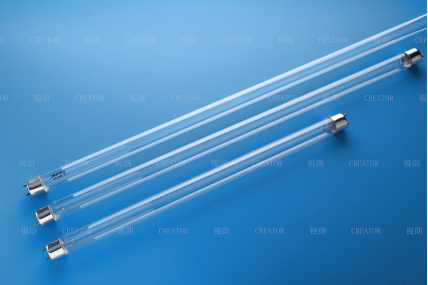
Designing a UV system is basically a giant balancing act. You want the ink to cure fast so you can keep the line moving, but you don’t want to melt your product in the process. If you just crank up the wattage to get more speed, you’re dumping a massive amount of heat into the material. I’ve seen it happen a dozen times—PET films warping or thin coatings starting to blister because the cooling system couldn’t keep up. We handle this by playing with the lamp length and the focal distance. It’s about hitting that sweet spot where the UV intensity does the job without cooking the substrate.
Built for the Real World
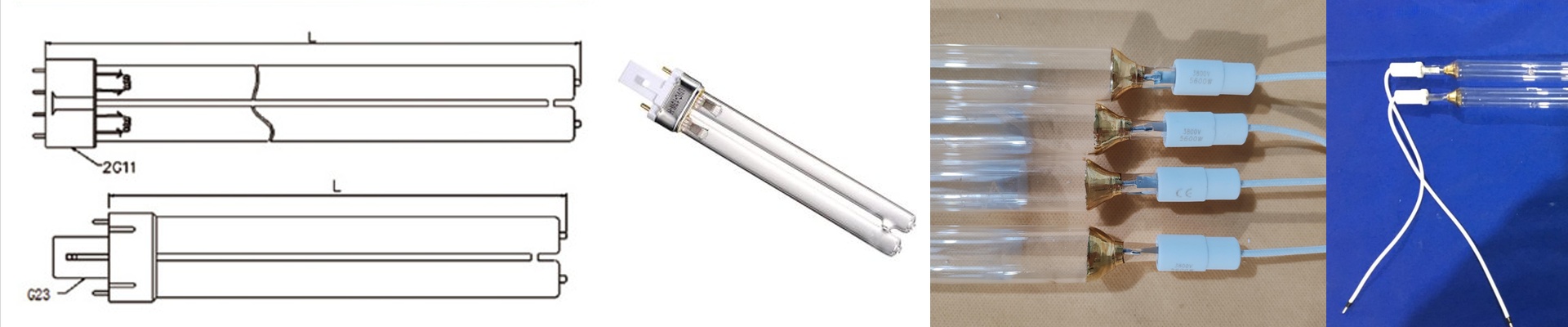
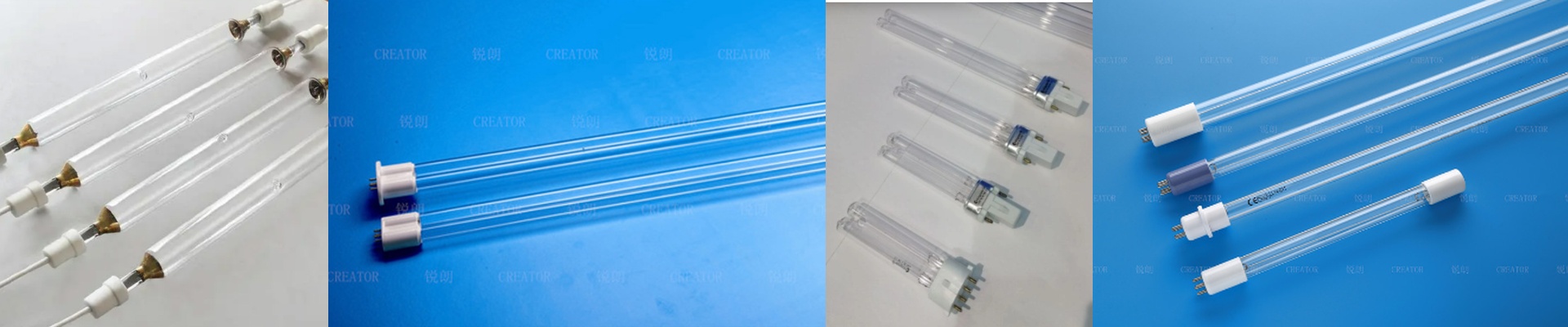
Then there’s the hardware. Standard connectors are great in a clean room. But in a real plant? You need something you can swap out in seconds. Nobody wants to spend half a shift rewiring a cabinet just because a part wore out. We also use reinforced quartz glass. Why? Because printing halls are full of chemical vapors that eat through cheap glass and burn out lamps way too early. And we obsess over the reflectors. It sounds overkill, but if the reflector angle is off by even 2%, you lose about 10% of your power. That’s a lot of wasted energy and slower production.
The “Tacky” Problem
Here’s the thing: custom UV setups aren’t exactly “plug and play.” You have to make sure the light coming out of the lamp actually matches the chemistry of your ink. If the wavelength is off by just a few nanometers, you get a frustrating result: the surface looks dry, but the bottom layer stays tacky. It’s a nightmare to fix after the fact. That’s why we align the lamp’s output curve to your specific ink from the start. It just works.