Getting Your PCB Curing Right with Gallium Iodide
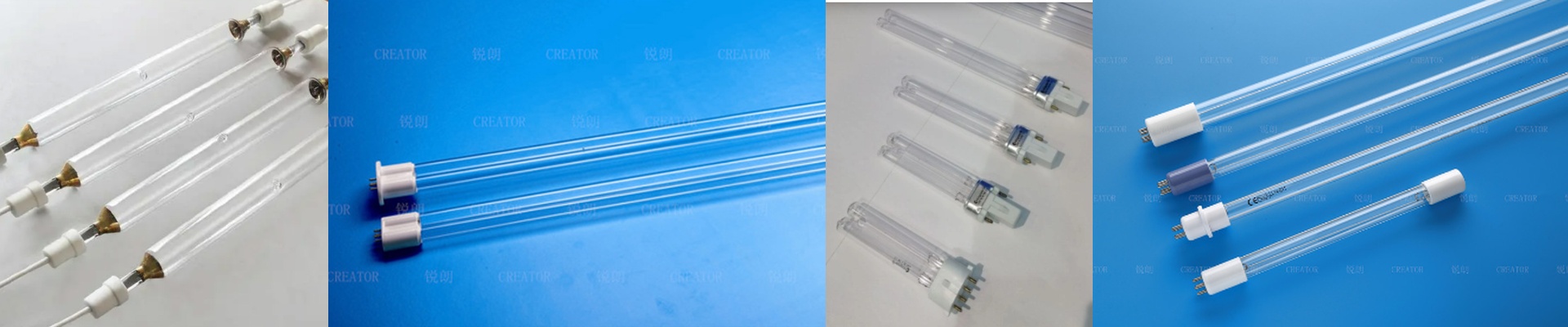
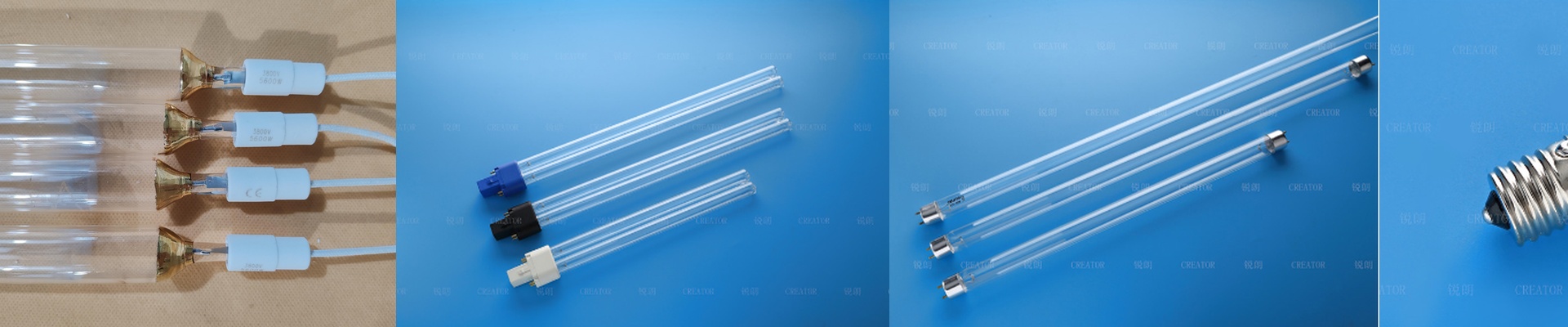
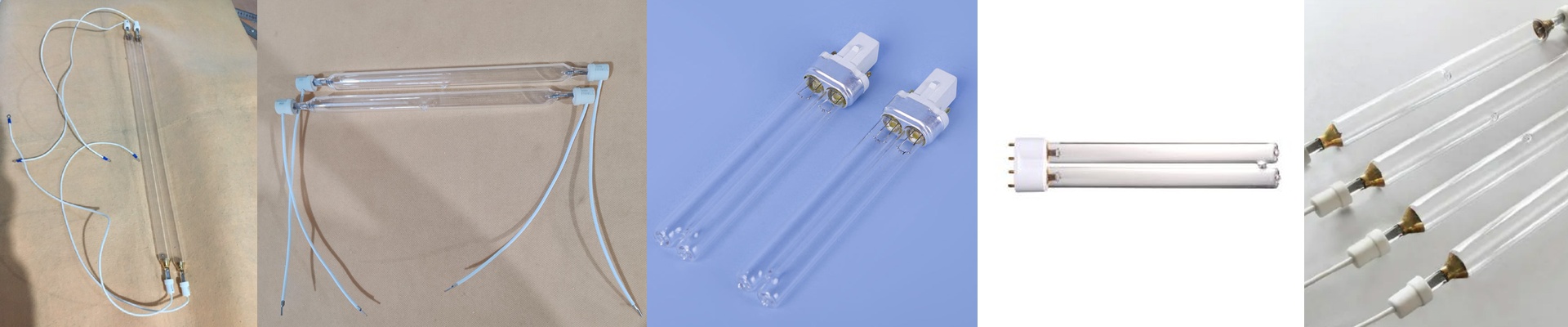
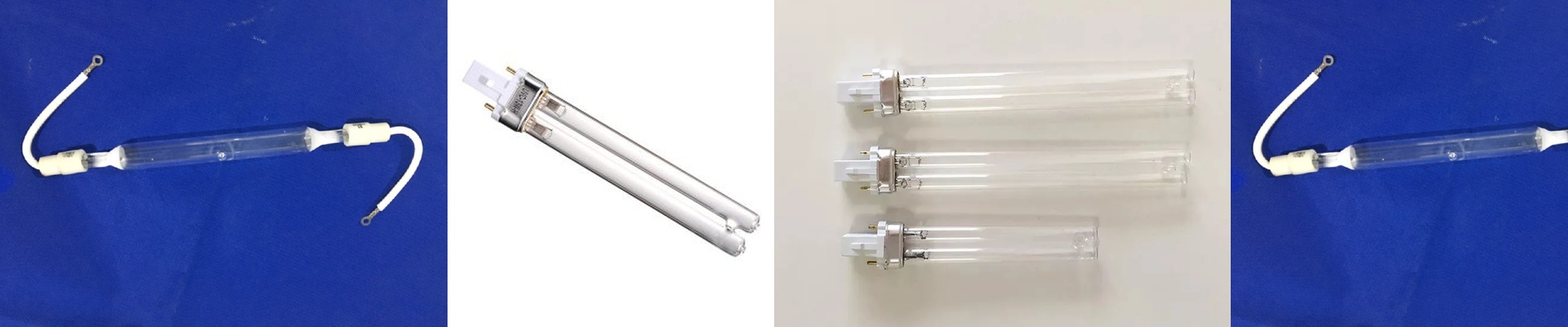
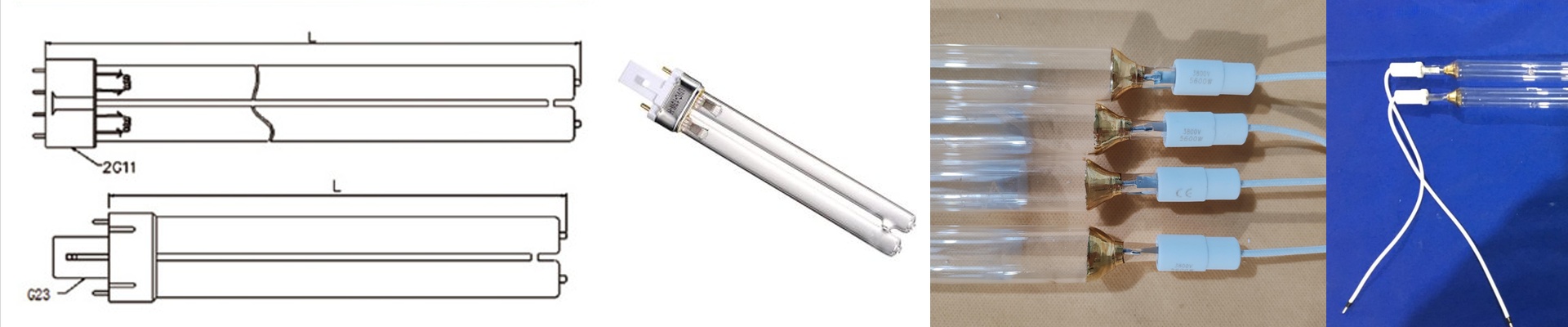
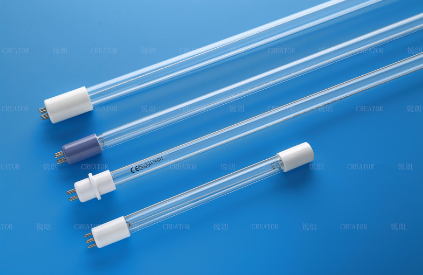
Let’s talk about the struggle of getting resists and inks to cure perfectly on a PCB. Most people just throw standard IR heaters at the problem, but that’s a bit like using a sledgehammer when you need a scalpel. Our gallium iodide lamps are different. They’re tuned to hit that exact “sweet spot” in the light spectrum that photo-initiators actually crave. Instead of just blasting the whole board with heat, these lamps focus the energy right where it needs to be. The trick is in the heat. Because of the specific gas mix we use, you can snap-cure the surface layer without baking the rest of the board. This is huge because it means your sensitive copper traces stay safe. But a word of caution: keep an eye on your conveyor speed. If you crank up the wattage and leave the boards moving too slowly, you’re going to scorch the edges. We’ve spent a lot of time balancing the gas pressure and filament temp so the light stays steady, but you still have to play it smart with your settings. Fitting them into your line We didn’t want you to have to rebuild your entire factory just to use these. These are designed as drop-in replacements for your existing curing tunnels. We use heavy-duty quartz glass because, let’s be honest, rapid heating and cooling is brutal on hardware. We also beefed up the connectors to handle high-current loads. No one wants a terminal burnout in the middle of a big run. Just do me a favor: check your power supplies. If the voltage doesn’t match the lamp, you’re either going to end up with tacky, under-cured boards or a dead filament. Why the price is actually fair Here’s the deal: we handle everything. We source the quartz, we fill the gallium iodide gas—the whole nine yards. Since we aren’t paying a middleman or slapping a fancy corporate logo on the box, we can keep the cost down without cutting corners on the tech. You get the power you need (the mW/cm² that actually matters) without the “brand name” tax. One last thing. These lamps gethot. Really hot. Make sure your cooling fans are actually working, or you’ll risk warping your housing.