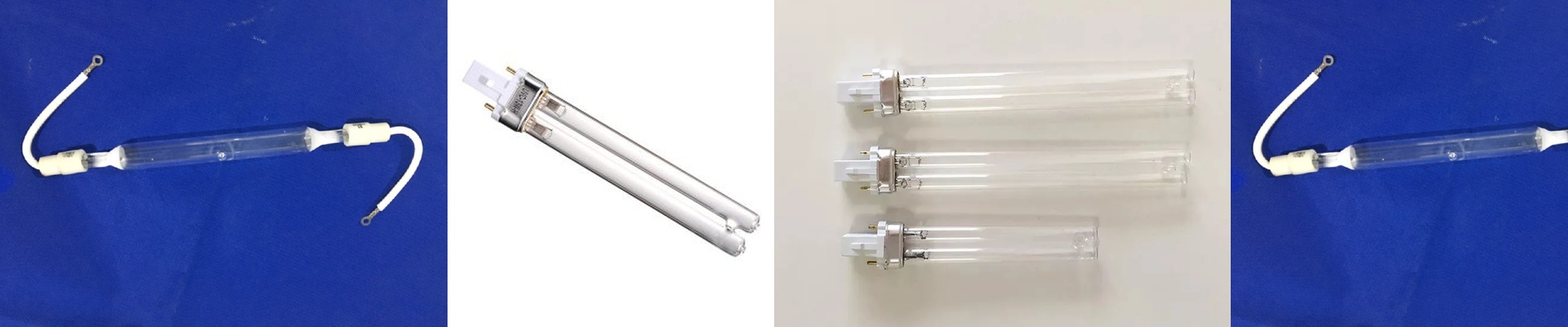
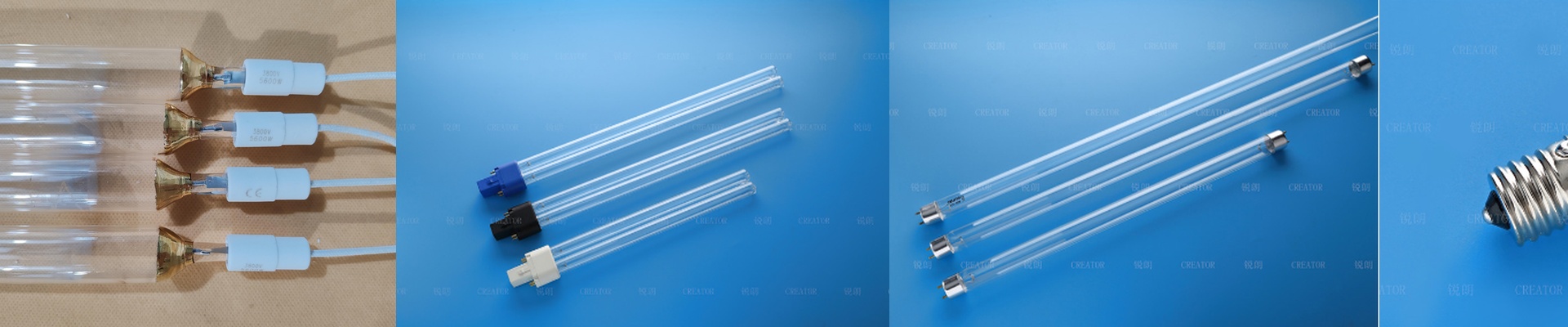
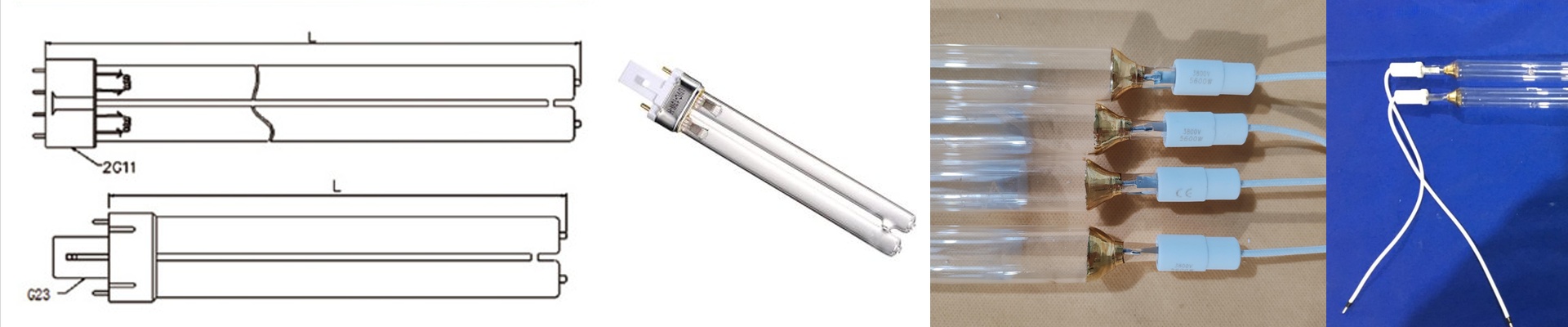
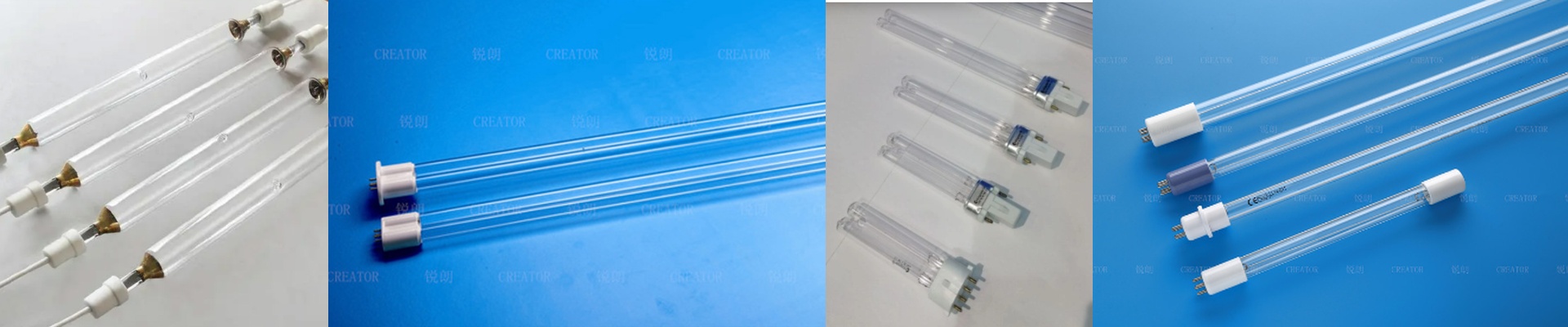
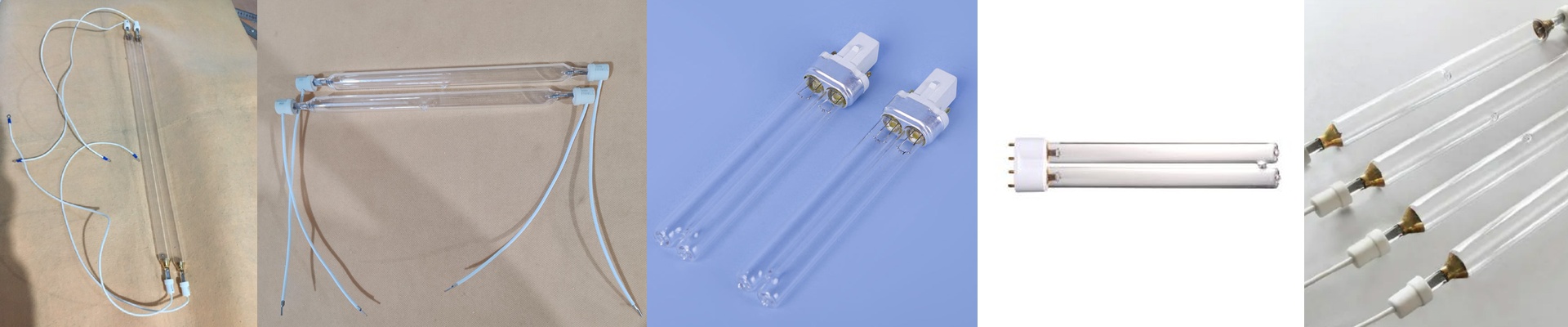
Getting the Cure Right: Why Gallium Iodide Matters for Your Textiles
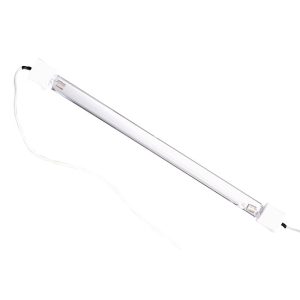
Most people don’t think about UV curing. It’s just that invisible thing happening in the background while fabric turns into clothes. But if you’ve ever had a print peel off after a few washes, you know exactly why it matters. We make Gallium Iodide (GaI) lamps because the standard mercury lamps just don’t cut it. They hit the wrong notes. We focus on the 300nm to 350nm range—the sweet spot for getting inks and synthetic fibers to actually behave.
The “Punch” Factor
Here is the problem: standard UV lamps usually peak at 254nm. That’s fine for a thin surface, but it can’t get through thick fabric. It just bounces off. Our GaI lamps shift that peak. It gives the UV energy enough “punch” to get deep into the weave. This means the resins and dyes cure from the inside out. The result? A bond that stays put, even after ten rounds through an industrial washer.
The Hardware Headache
Now, these aren’t exactly “plug and play.” You can’t just swap a bulb and call it a day. You need the right ballast, and your cooling has to be spot on. If the lamp gets too hot, the wavelength drifts. When that happens, your curing slows down, your line speed drops, and suddenly you’re losing money. We design these to fit into most industrial setups, but do yourself a favor and check your reflectors. If the angle is off, you’re basically throwing away 30% of your power.
Where This Actually Happens
We usually see these lamps doing the heavy lifting in three spots: *Setting the Ink: Getting those thick, high-density screen prints to stick to polyester. *Prepping the Fiber: Tweaking synthetic yarns so they actually soak up the dye. *The Final Seal: Locking waterproof membranes onto the base fabric. One quick tip: don’t just crank up the wattage to speed up your line. You’ll end up scorching the fabric. It’s a balancing act. Instead of chasing the theoretical maximum on the spec sheet, just tune your conveyor speed to what the lamp is actually putting out. Your fabric—and your quality control team—will thank you.