Getting the Wavelength Right: Why Precision Actually Matters
When it comes to killing germs, cranking up the power isn’t the answer. It’s more like tuning a radio. You have to hit the exact frequency where microbial DNA absorbs the energy. We spend our time obsessing over 253.7nm. Why? Because that’s the sweet spot. If your output drifts even a tiny bit, you’re just wasting electricity and slowing down your sterilization. It’s that simple.
The Secret to a Tight Beam
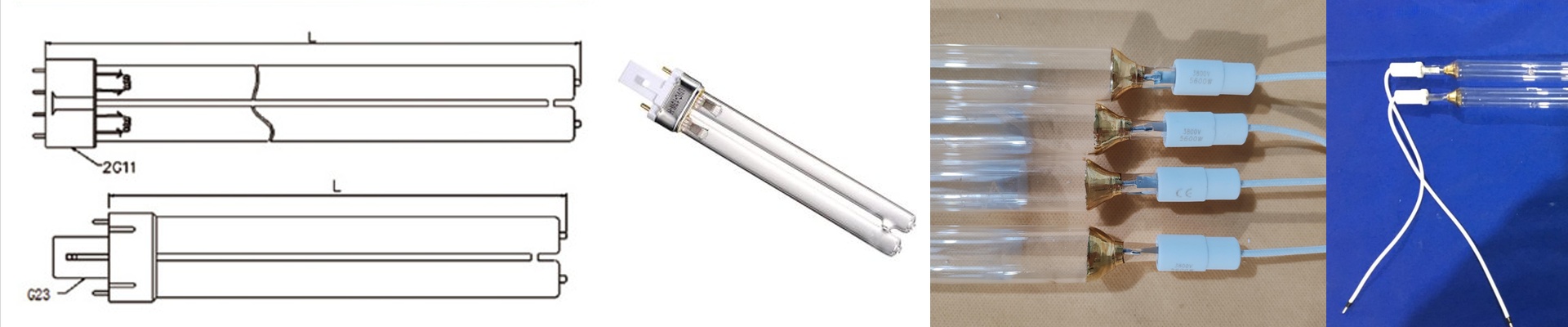
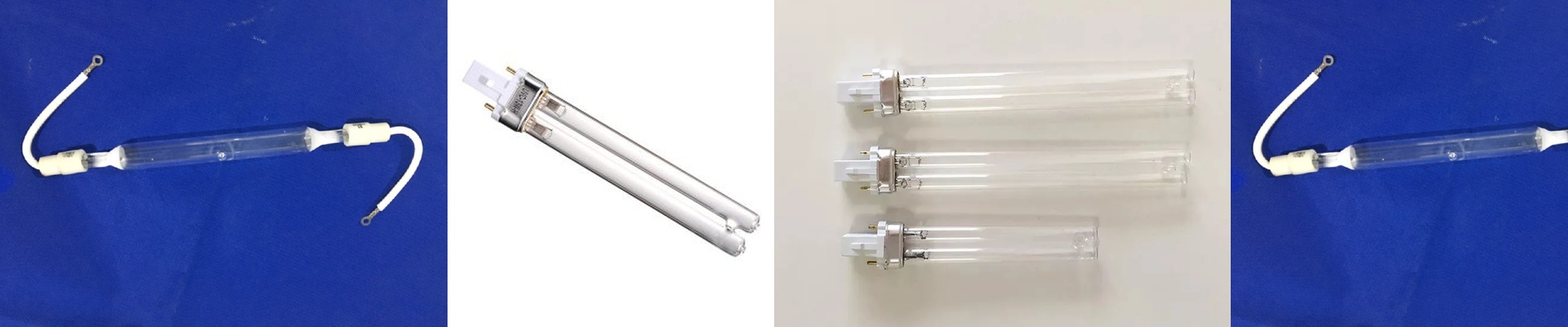
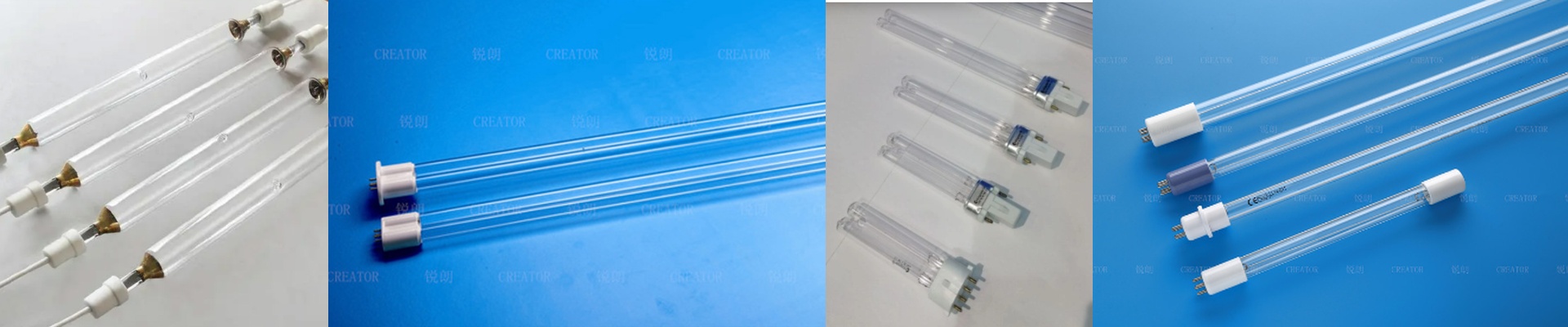
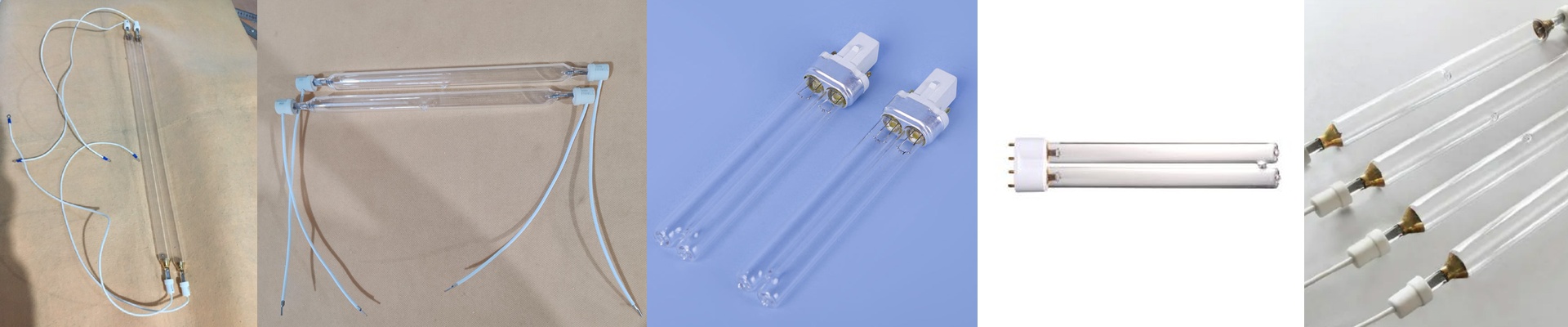
Most lamps you buy off the shelf are “loose.” They throw out a wide range of light, and a lot of that energy just ends up heating up the air or your equipment. Total waste. We do things differently. We use high-purity synthetic quartz and a very specific gas mix to lock that light in. We tighten the curve so more photons actually hit the target. And we don’t guess. We use a spectrophotometer to make sure that if a lamp is supposed to be 254nm, it stays there. The best part? You can actually use fewer lamps to get the same results, which keeps your power bill down.
The Heat Struggle
Here is the catch: high-intensity UV creates heat. It’s just physics. We’ve tweaked the shape of the lamps to help them breathe, but you still have to be smart about it. If the bulb gets too hot, the mercury vapor pressure shifts and your efficiency just tanks. Make sure your cooling fans or airflow are actually doing their job. Keep the bulb in its “happy zone,” and it’ll keep performing.
Making it Work With Your Gear
We designed these to be easy. You can just swap them into your existing arrays without having to rip everything out. Because we’ve packed more “punch” into every watt, you get a faster kill rate without needing to upgrade your power supply. It just works.