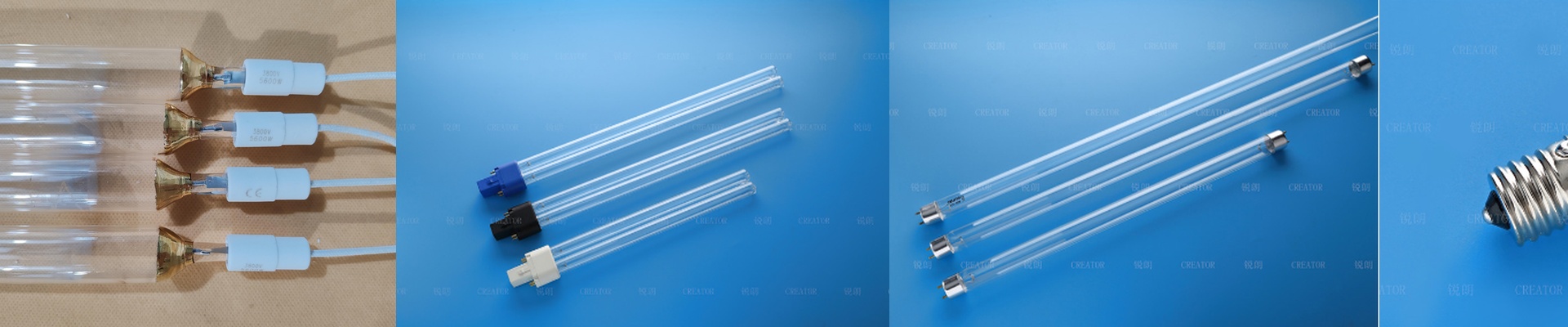
Stop Over-Engineering Your UV Curing
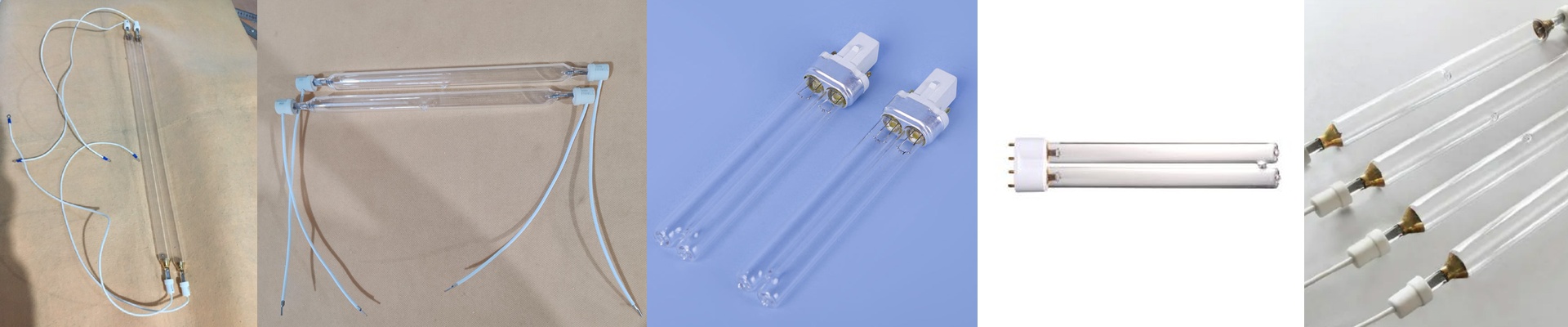
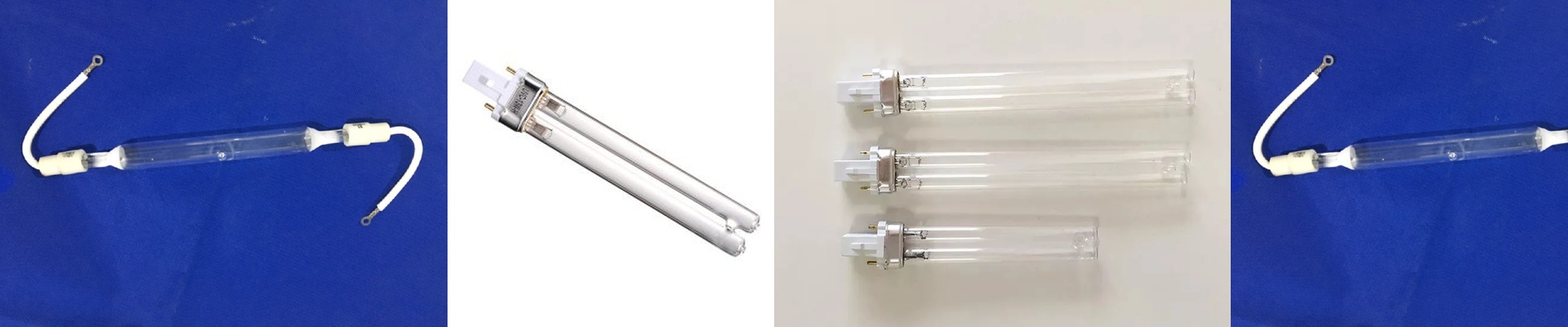
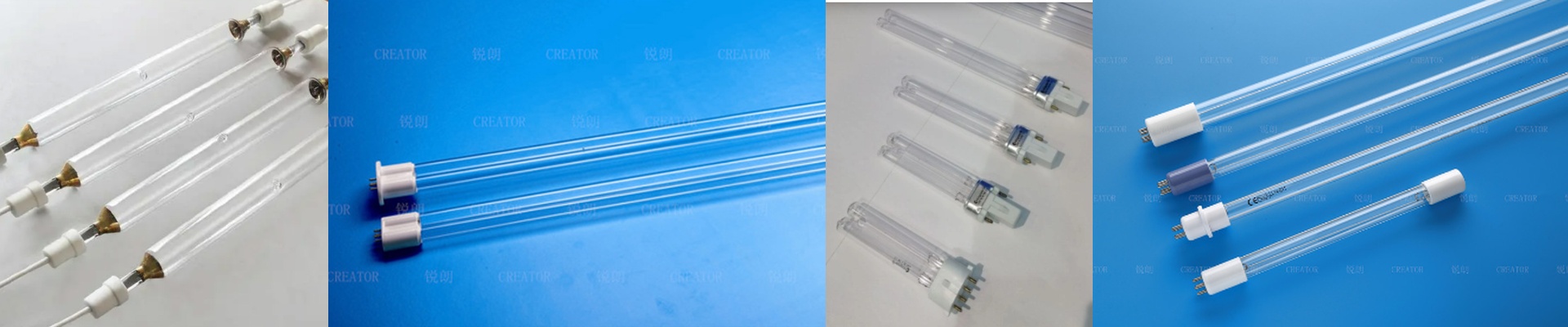
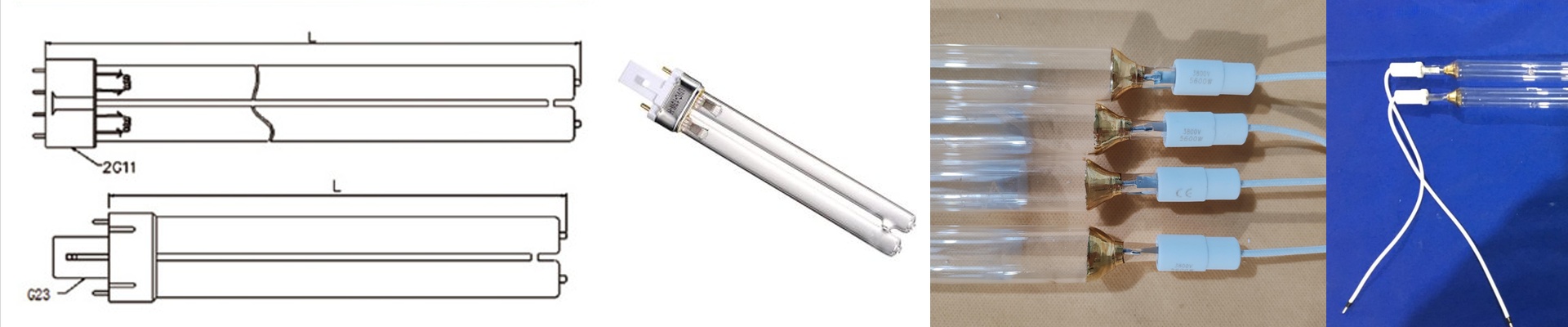
Let’s be honest: those old-school, fixed-output curing tunnels are a headache. They’re rigid. You’re stuck with what you bought, even if your production needs change tomorrow. That’s why we stopped thinking about UV lamps as static pieces of hardware. Instead, we treat light energy like a utility. You only use what you actually need. The beauty of going modular Here is how it works. Instead of buying one massive, overpriced lamp that eats electricity and burns out way too fast, you use a series of smaller, calibrated modules. Need more punch for a thick resin? Just stack another lamp head on. Working with a delicate ink that yellows if you hit it too hard? Take a few modules out. It’s all about hitting that sweet spot of curing depth without ruining your substrate. It saves your parts, and it saves your budget. Getting it onto your floor We didn’t want you to spend a week rewiring your entire shop just to get this running. We used standard mounting brackets and quick-connect plugs, so the whole thing just clicks into place. If a module dies, you don’t have to panic. You just swap it out in a few minutes and keep the line moving. One heads-up, though: we use high-grade quartz for the best light transmission, but quartz doesn’t like dust or chemical fumes. If you let the tubes get grimey, your output drops. Keep them clean. It’s a simple chore, but it’s the difference between a perfect cure and a wasted batch. Dealing with the heat Physics is a stubborn thing. High-intensity UV creates a lot of heat. Because our design spreads the lamps out, the heat is distributed better. But if you try to cram every single module into a tiny footprint to save a few inches of floor space, you’re going to run into trouble. The lamps will get too hot, they’ll throttle, and you’ll lose your intensity. Just make sure your blowers are beefy enough to handle the total heat load. Give the system room to breathe. We built this for the engineers who are tired of rebuilding their hardware every time they want to tweak a line speed. You pick your module count, plug them into the controller, and dial it in until it’s right. Simple as that.