Getting the Most Out of Your UV Lamps Without Breaking the Bank
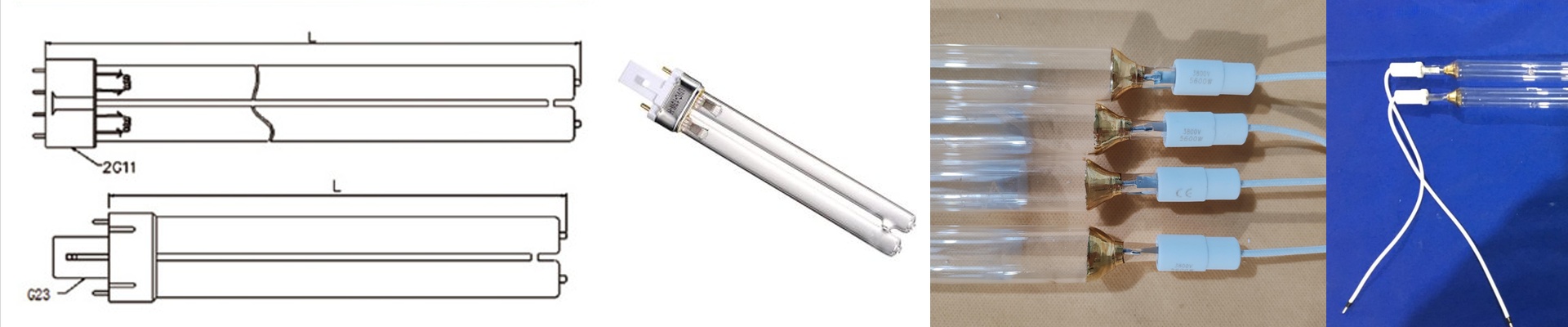
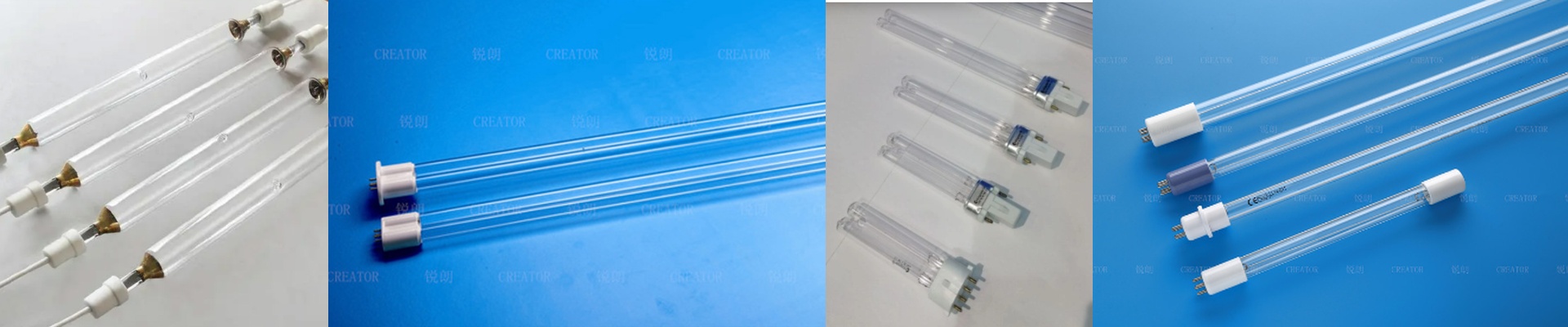
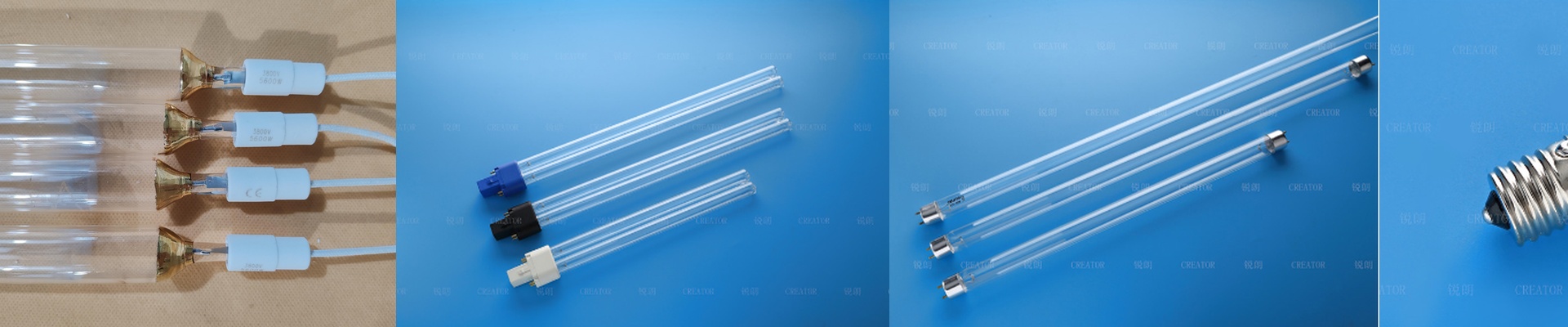
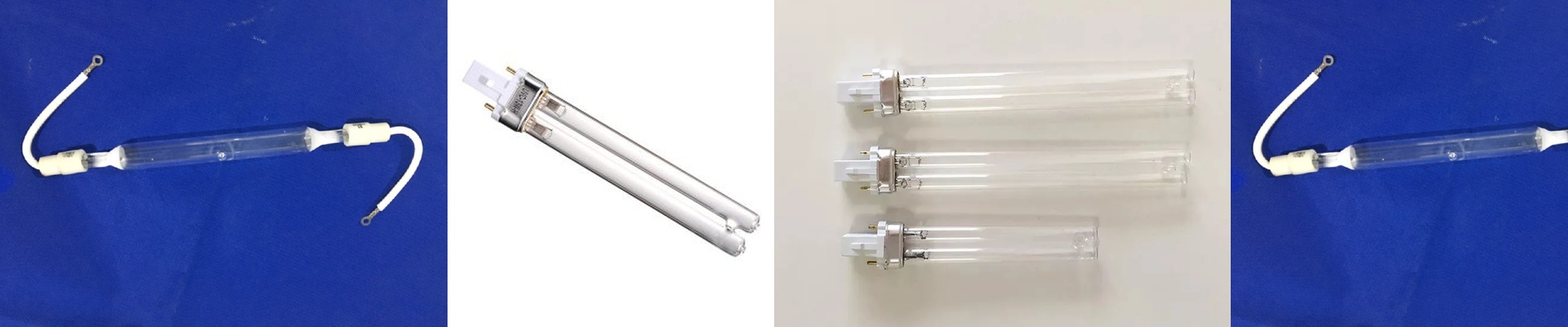
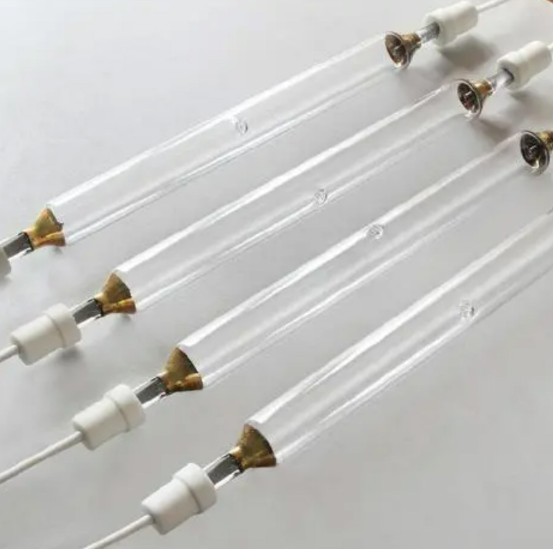
Let’s be honest: UV systems can be a headache. You’re trying to hit that sweet spot where the radiation is strong enough to kill germs or cure a coating, but you don’t want to spend a fortune doing it. We handle this by owning the whole process—from the raw quartz to the final assembly—so we aren’t just middlemen adding a markup. The Heat Struggle Here is the thing about UV lamps: the magic happens at specific peaks, usually around 253.7nm for germicidal work. To get that power, you need the right mercury pressure and clear quartz. But there’s a catch. High-wattage tubes pump out a ton of photons, and they gethot. Really hot. If your housing doesn’t have great airflow, the tube overheats, the pressure shifts, and your UV output just tanks. It’s frustrating, but it’s a physics problem. Keep them cool, and they’ll keep working. Materials That Actually Last You’ve probably seen old UV glass turn a brownish color. That’s “solarization,” and it’s a nightmare because it blocks the very rays you’re paying for. We use high-purity fused quartz to stop that from happening. We also use tungsten for the electrodes. Why? Because if you’re flipping your system on and off all day, cheap electrodes just burn out. Plus, if you’re curing thick coatings, we can “dope” the quartz to shift the spectrum. This lets the light sink deeper into the material instead of just hitting the surface. The Nitty-Gritty of Setup Most of our tubes are designed to just slide right into your existing industrial fixtures. No fuss. We obsess over the fit of the end-caps and pins. If the fit is loose, you get arcing at the socket. That leads to carbon buildup, and before you know it, your lamp is dead. A tight fit equals a long life. Now, you might wonder how we keep the price down. We don’t do it by using cheap glass. Instead, we just fixed our manufacturing flow and cut down on the scrap we produce during sealing. You get the power you need without paying for a fancy brand name. Just a quick tip: make sure your ballast output matches the tube’s rated voltage. If you overdrive the filament, you’re just asking for trouble.