Getting Your Textile Prints to Actually Stay Put
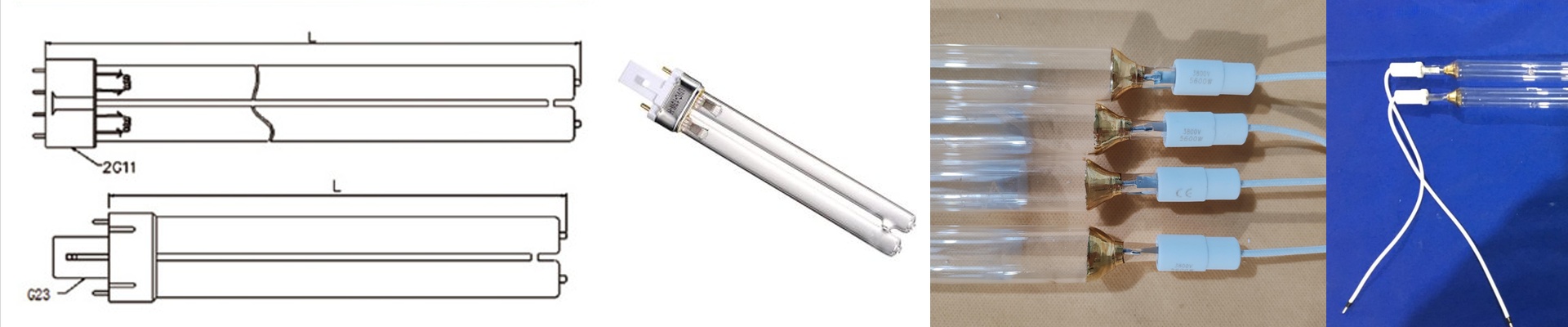
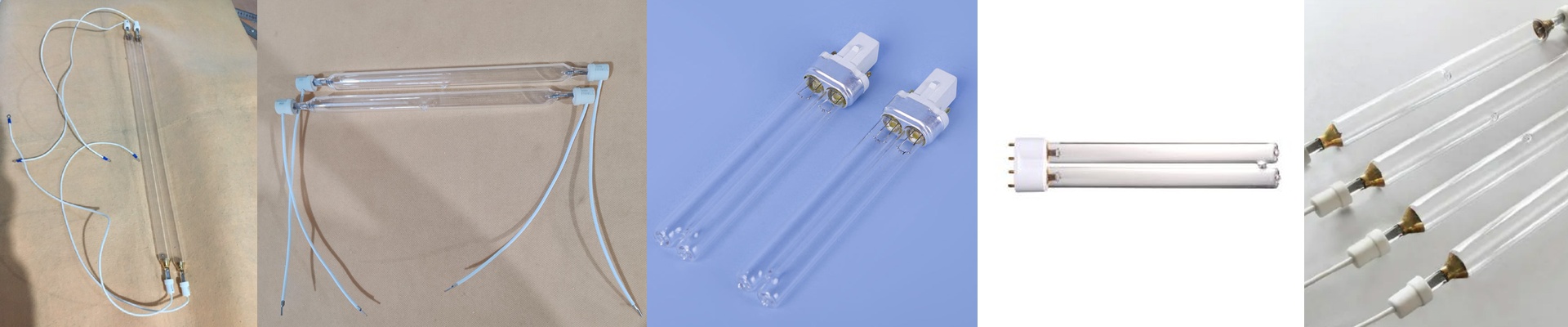
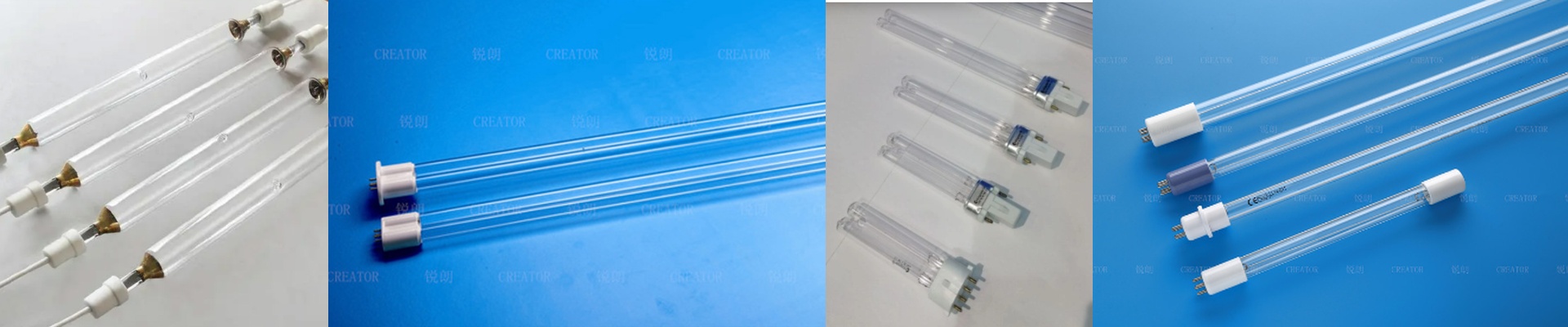
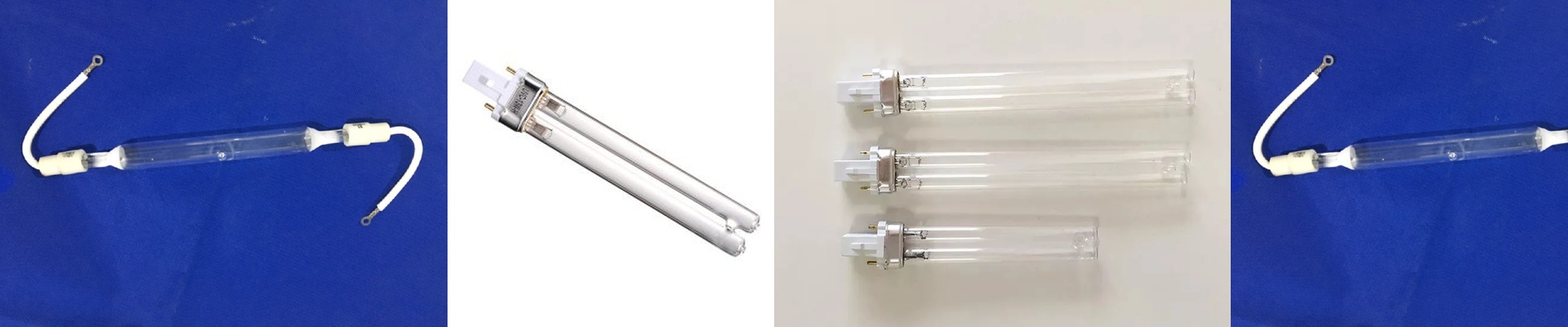
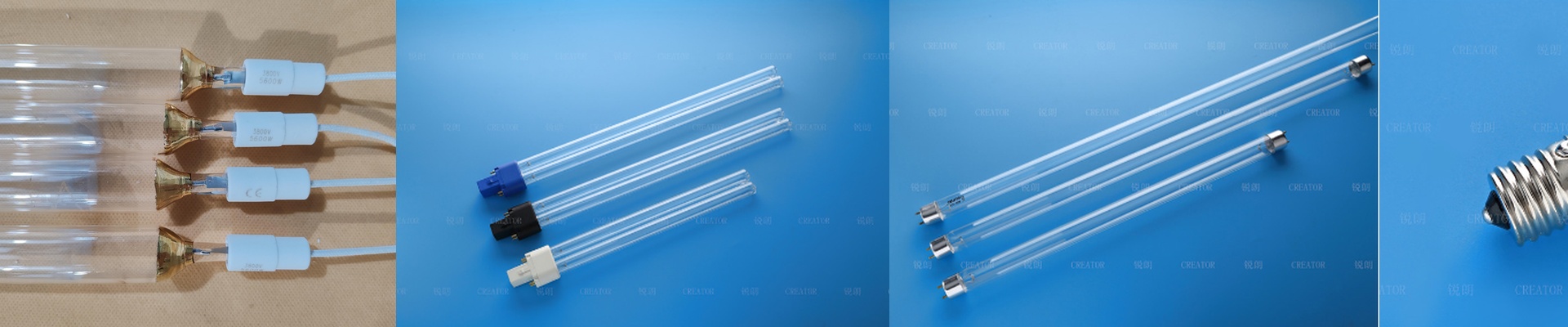
If you’ve ever dealt with ink that bleeds or peels off a fabric, you know how frustrating it is. It ruins the garment and wastes your time. That’s why we build our mercury vapor UV bulbs the way we do. These aren’t your average lightbulbs. They’re built for the grind of high-volume textile printing. Their whole job is to kickstart a chemical reaction in your UV inks, locking that pigment deep into the fabric so it stays there. The science part (simplified) Inside each bulb, we use a mercury-argon mix to create a heavy hit of UVC and UVB light. Once you hook them up to your ballast, an electrical arc rips through that vapor, sending out the short-wave radiation needed to snap the ink monomers together. Here’s the thing: fabric is thirsty. It absorbs a lot of that UV energy. If your bulbs are weak, the ink on top might look okay, but the base won’t cure. We push for high intensity so the cure goes all the way through. Dealing with the heat These things get hot. Really hot. To stop the glass from cracking under the stress, we use high-purity quartz. But even the best quartz has a limit. If your cooling fans quit or your airflow gets choked, the tubes will degrade or just burn out at the ends. I’ve seen tubes die in a matter of weeks just because the housing was caked in lint and fabric dust. It happens more than you’d think. Keep those reflectors polished and the dust gone, or you’re just wasting money. Fitting them into your line The good news? These are basically drop-in replacements for most industrial curing tunnels. They just work. You’ll notice the difference in the finish. You won’t get that annoying “tacky” feel you get with cheap lamps. We focus on keeping the light output steady over a long run, though you will see a slow dip in intensity after about 1,000 to 2,000 hours. Keep an eye on your cure speed. The second you notice the fabric isn’t setting instantly? That’s your signal. Time to swap the tubes.