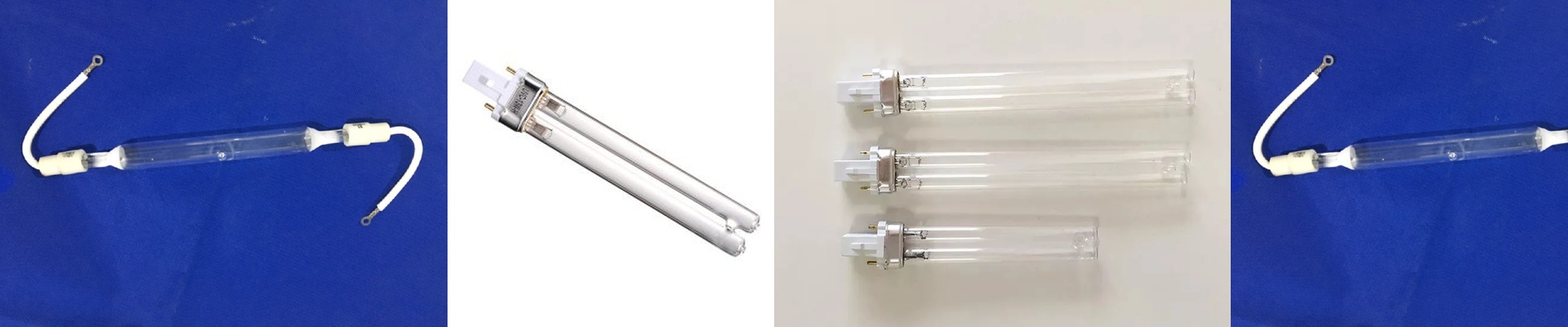
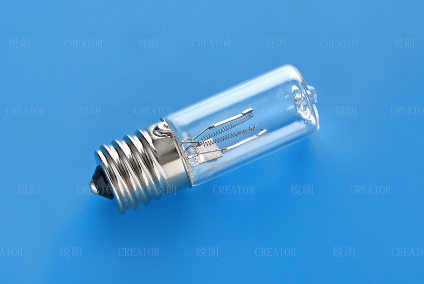
Let’s Talk About UV Curing (And Why Most People Get It Wrong)
UV curing isn’t just about “drying ink” anymore. That’s old school. These days, we treat light energy like any other precision tool in your factory. The lamp isn’t just a lightbulb; it’s a data point in your entire process.
The Nitty-Gritty of High Intensity
Here is the thing about getting a perfect cure: it’s all about the match. You need the light coming out of the lamp to hit the exact same frequency as the photoinitiator in your resin. If you’re off by just a few nanometers? You’re in trouble. You’ll end up with a surface that feels tacky to the touch and a core that’s still wet. Not a great look. And then there’s the heat. When you cram high power into a small space, things get hot—fast. If you don’t get your cooling fans or water jackets right, the lamp will overheat. Once that happens, your output dips, and suddenly your entire line is crawling.
Making the Hardware Actually Work
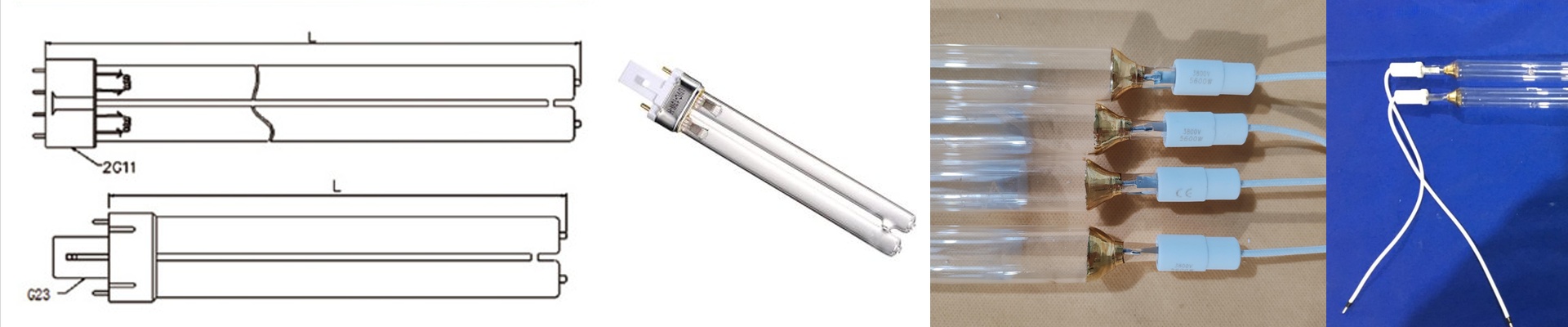
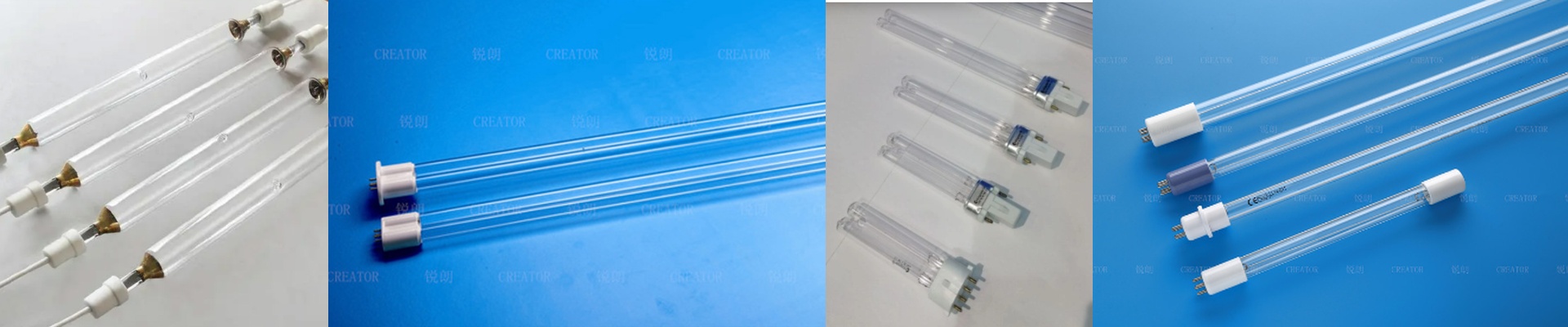
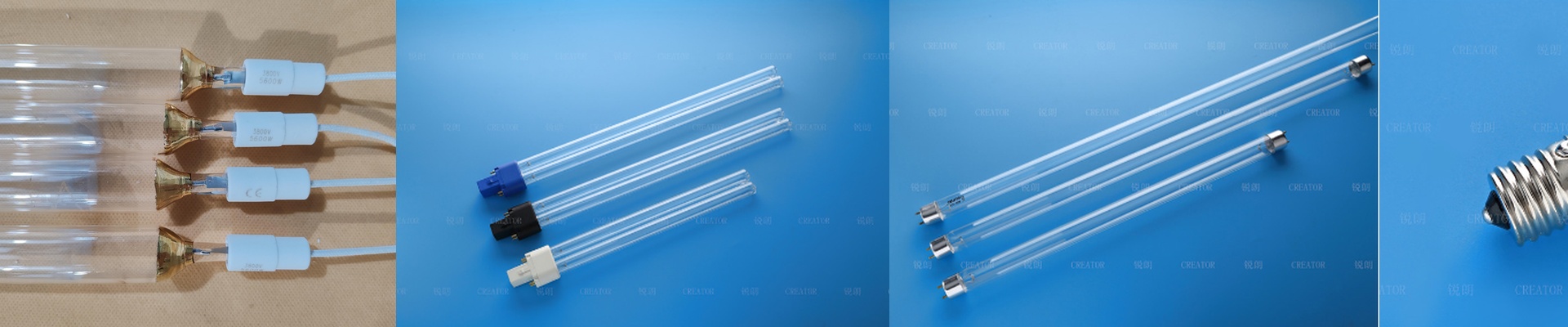
We design our gear with standard connectors and brackets because nobody wants to spend a weekend fabricating custom mounts. We just want them to slide in and work. Switching from mercury vapor to UV-LED is where things get interesting. You get “instant-on.” No more waiting around for warm-up cycles. Now, the lamp only fires when your sensor actually sees a part coming down the line. Simple. Plus, we hook these up to your PLC via 0-10V or PWM signals. That means you can tweak the intensity on the fly if your coating gets a bit thicker.
Killing the Bottleneck
The real dream here is getting rid of the curing oven entirely. By switching to high-intensity UV, you can shrink your production footprint and move parts through way faster. But there’s a catch. You have to be obsessive about shielding. High-intensity UV is aggressive. If it leaks, it’ll eat through your conveyor belts and chew up your gaskets. Do yourself a favor: use aluminum foil or UV-rated acrylic to block the stray light. Protect your gear, and the rest is easy.