Introduction
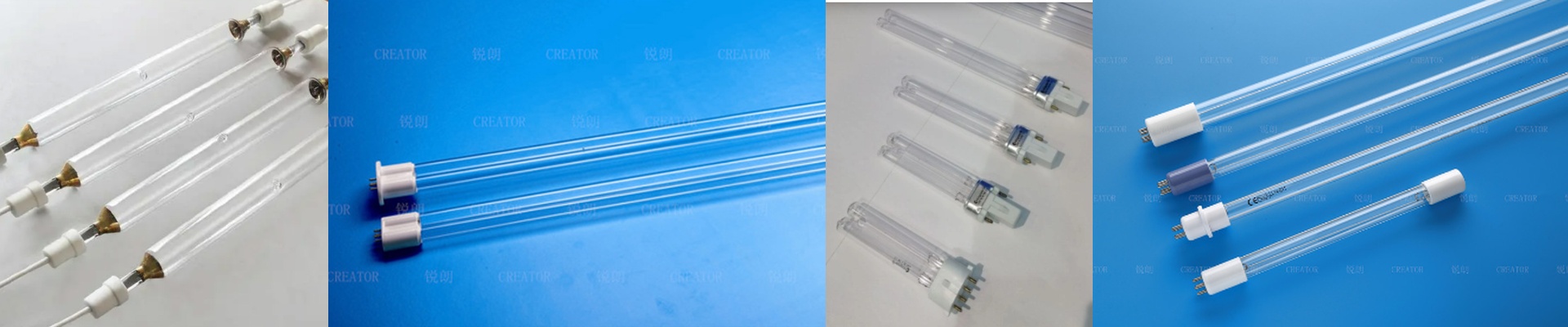
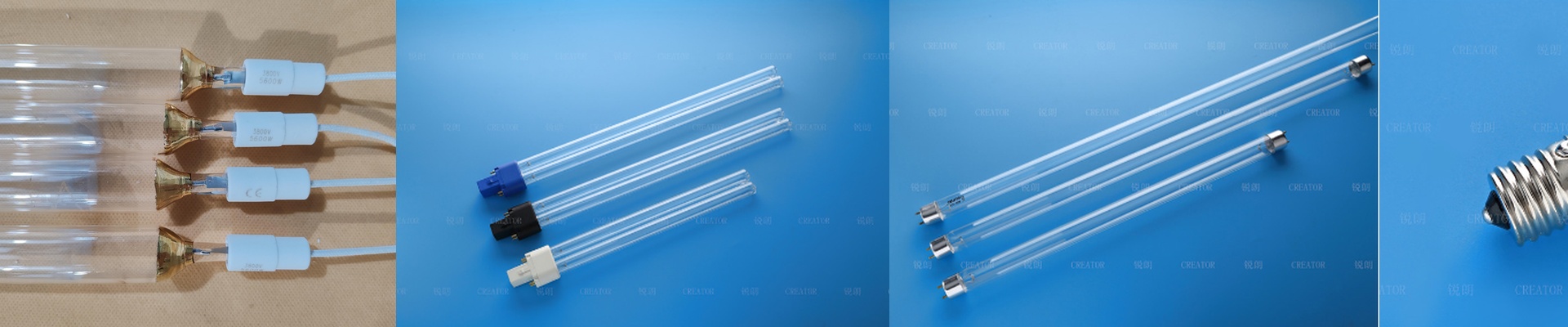
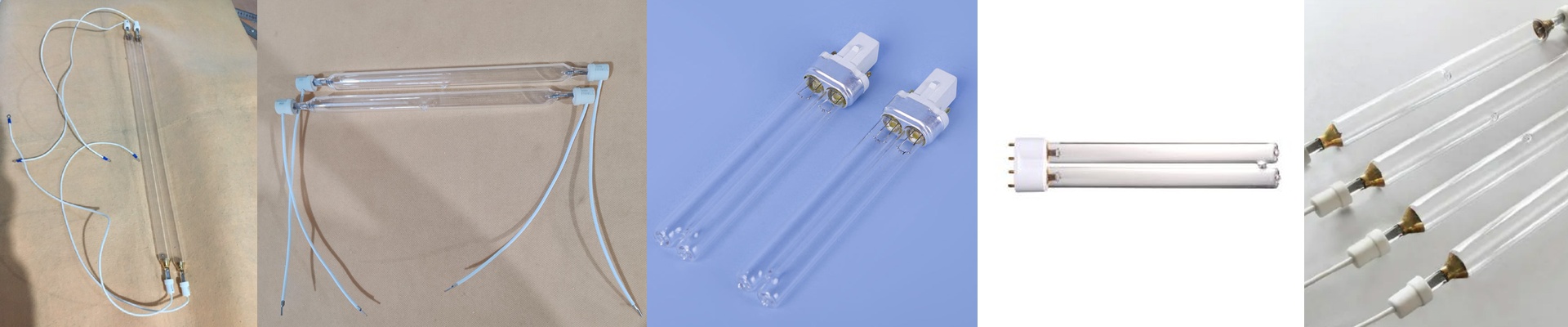
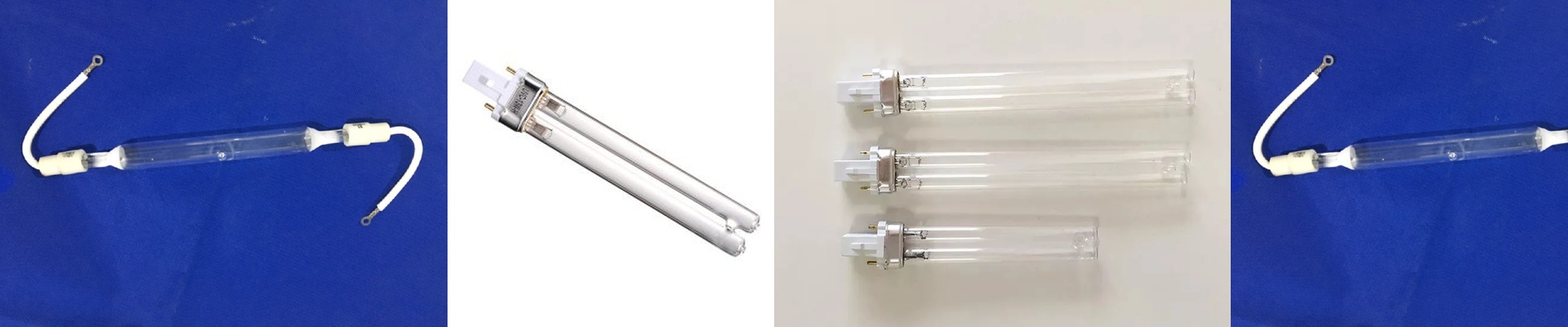
We built this mercury UV curing tube for one simple reason: to stop your production line from grinding to a halt. You know the feeling—those sudden burnouts that throw everything off. We wanted to give engineers a heat source they could actually trust, day in and day out. It’s designed for clean, zero-pollution work, using fully eco-friendly materials. The whole point is simple: less waste, more uptime. Just a reliable, long-lasting tube that keeps your process moving.
The Inside Story
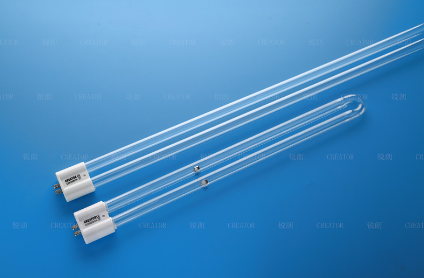
This tube is built to deliver steady, predictable UV power, perfectly matched to your industrial power supply. No guesswork, no surprises. Its long-life design means you’re not constantly swapping out lamps. That means less downtime, fewer maintenance headaches, and way fewer spent lamps ending up in the trash. And here’s the best part—it’s made to fit right into what you already have. The dimensions are standard, so you can just drop it in. No re-engineering the housing. No messing around with the footprint.
What It’s Made Of
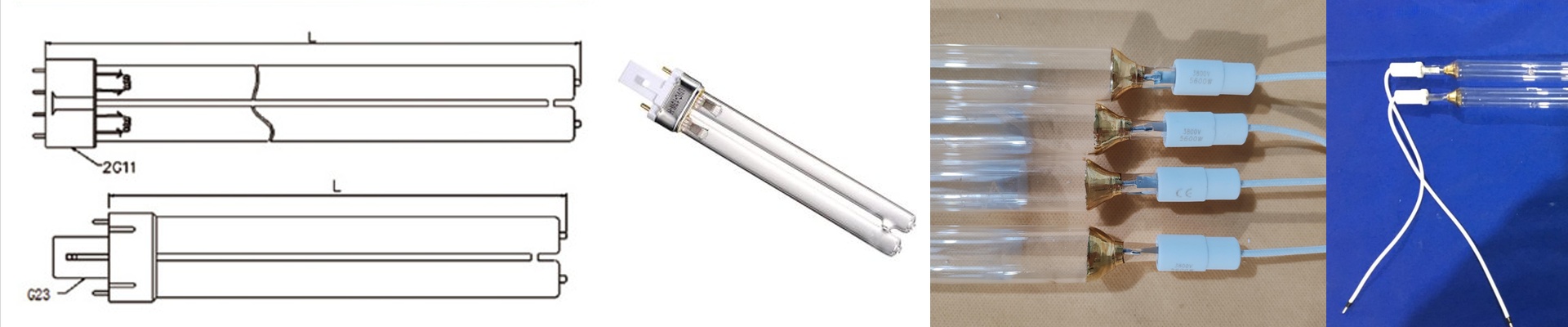
We put the mercury-based UV generation inside a quartz envelope. Why? Because quartz handles high heat like a champ and keeps that UV transmission strong, even after long runs. Inside, every component is chosen to be eco-friendly, so you can meet your cleaner production goals without sacrificing thermal stability. The whole design is focused on durability—tough electrodes, stable arc control. That means consistent output, even as the lamp ages. And the connector? It locks in place, so it stays put, even when things get shaky.
Real-World Performance
On the shop floor, this tube is all about predictability. It delivers the heat and UV you need, cycle after cycle, without letting you down. Fewer lamp changes mean fewer maintenance stops and less scrap from line shutdowns. Plus, using eco-friendly materials helps you stay on target with environmental goals, cutting down on hazardous waste right from the start. Now, here’s the catch: this tube runs at high energy density. So your cooling and electrical systems need to be ready for it. Plan your thermal path upfront, and you’ll get stable curing with almost no unexpected downtime.