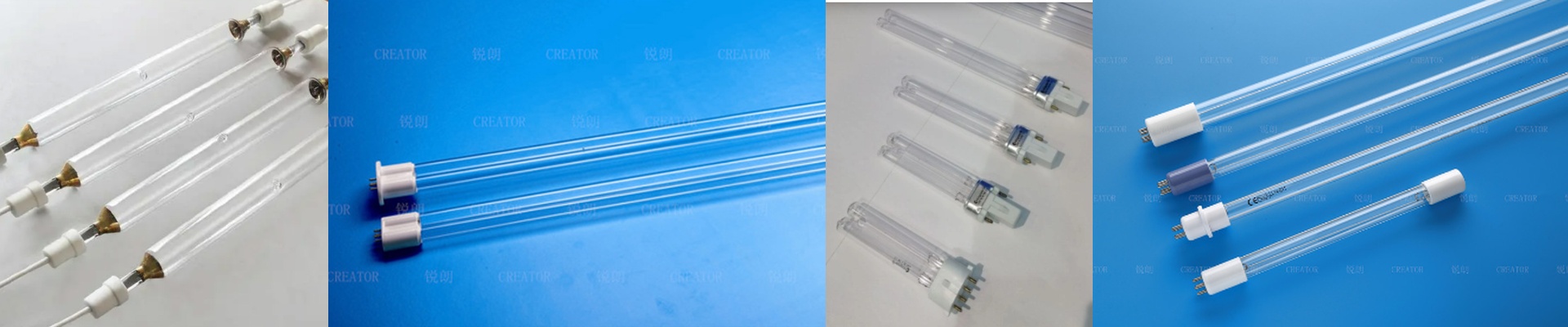
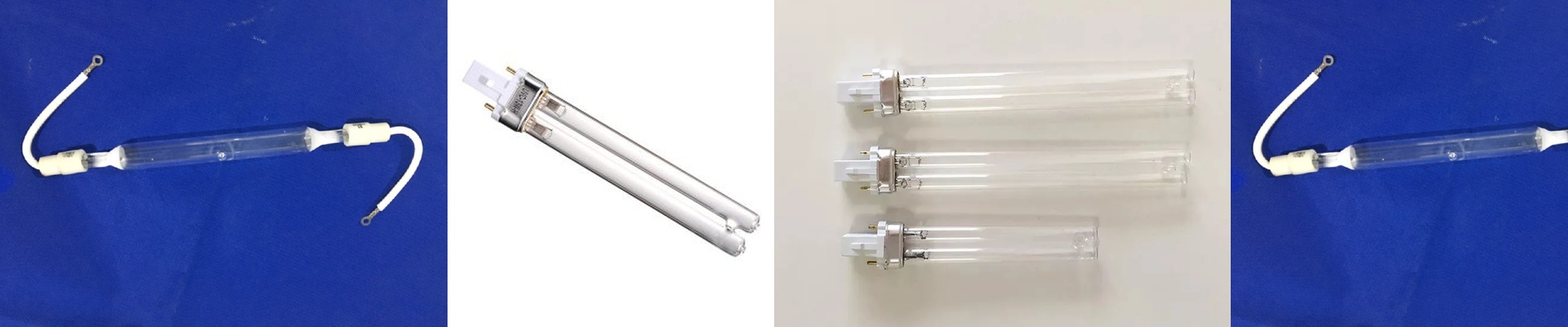
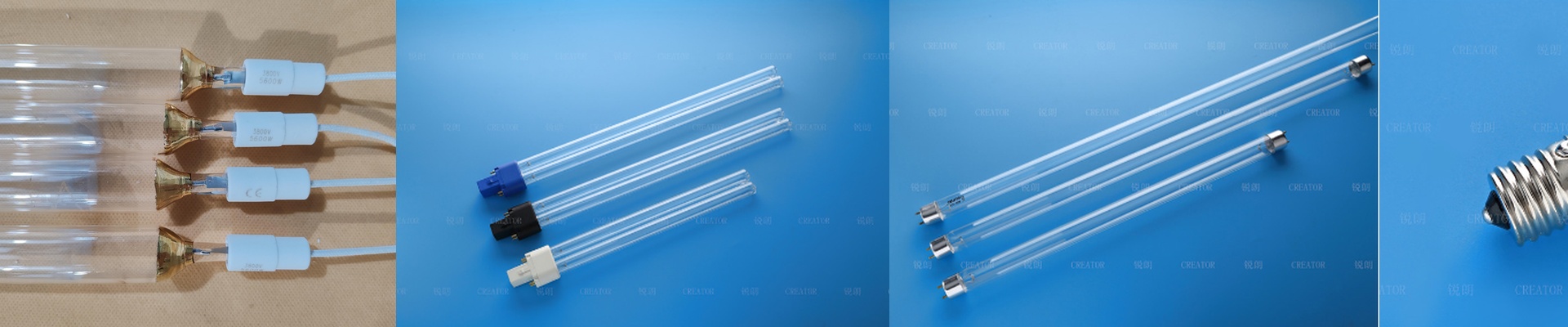
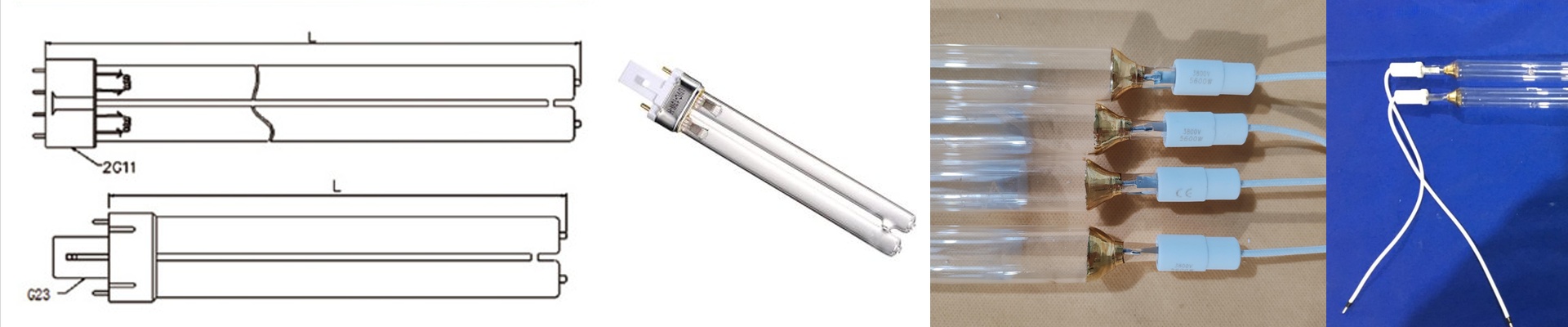
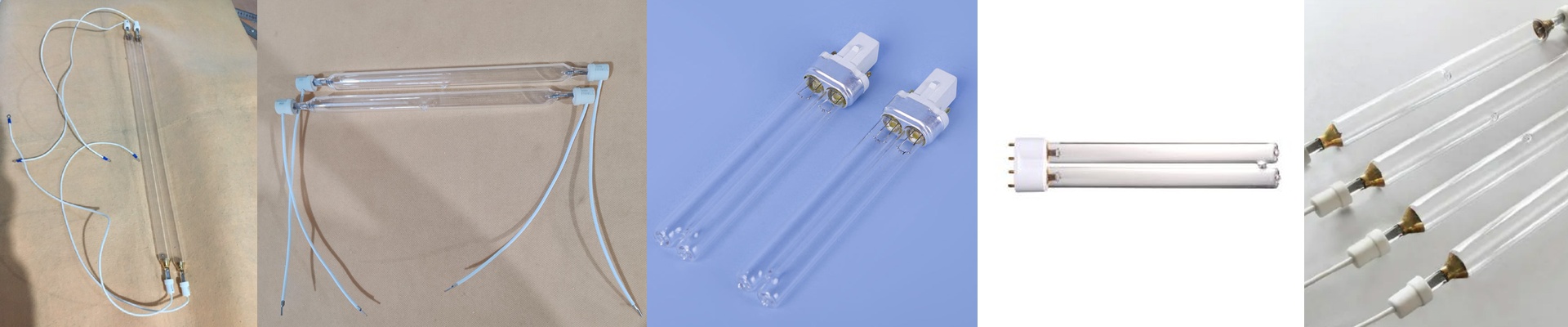
Walking the 2026 printing expo, the same question kept coming up: how do you cure UV inks on heat-sensitive films without scorching or warping? Our custom UV lamp modules drew a steady crowd because they cut straight to the constraint on the floor—controlling spectral output and surface temperature while still delivering the required cure energy.
What actually matters, technically
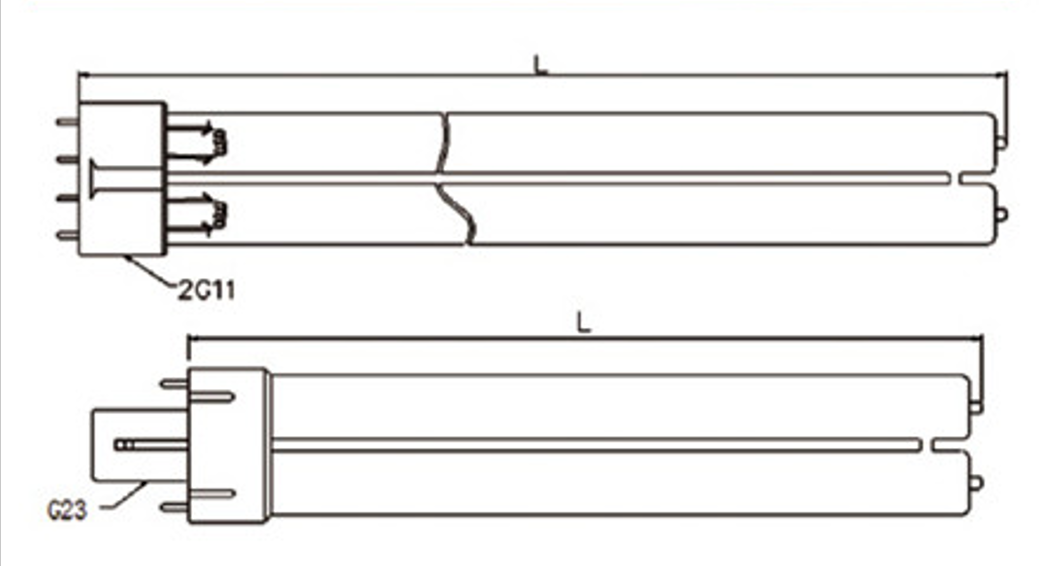
We built these modules around a low-heat, ozone-free mercury vapor lamp, tuned for a stable spectral output that stays inside the photoinitiator window. Peak irradiance is set to drive fast cross-linking while keeping thermal load low, and the reflector uses a dichroic coating to shape wavelength and cut down infrared spill. In day-to-day terms, you get repeatable curing because you’re measuring energy density at the substrate, not just lamp power. The housing stays compact for tight integrator spaces, with standard electrical interfaces and rigid mounting points so alignment holds steady through high-speed print runs.
Why it holds up in real runs
On the show floor, demos on heat-sensitive films showed the payoff immediately: cure that finishes at line speed without the heat buildup that leads to curl, blocking, or substrate distortion. You keep the same throughput, but rejects from incomplete cure and thermal damage drop. Power use comes down because the system delivers the needed spectral dose without waste, and lamp life stays predictable when ignition cycles are controlled. For shops running flexible packaging, labels, and thin synthetics, that translates into less scrap, fewer stops, and color density that stays stable across the roll.
The details you can’t skip
Matching the lamp to your press isn’t optional. Line up the substrate thickness, ink formulation, and line speed, then calibrate spectral output and dwell to hit the required energy density. Operating distance ties directly to cure and temperature, so set it with a radiometer and hold the tolerances. These modules drop into common UV curing positions, but integration often needs minor mechanical tweaks to get the fit and airflow right. Plan for proper cooling and keep the quartz surfaces clean. Even a little contamination shifts output and pushes operating temperature up.