Getting UV Curing Right (Without Burning Your Parts)
Let’s be honest: UV curing isn’t just about “drying ink” anymore. If you’re running a modern shop, you can’t just hang a lamp over a conveyor and hope for the best. You need to treat light energy like a precision tool.
Power, Speed, and the Heat Struggle
We don’t do one-size-fits-all. We build these systems around your specific resin or adhesive. Maybe you need UVC for sterilization, or UVA to get deep into a thick layer of material. Either way, the power density is what actually drives your line speed. Now, it’s tempting to just crank up the wattage to push more product through the door. But there’s a catch. Too much heat, and you’ll scorch your substrate. It’s a balancing act between how hard the light hits and how fast your belt is moving.
Keeping Things Cool
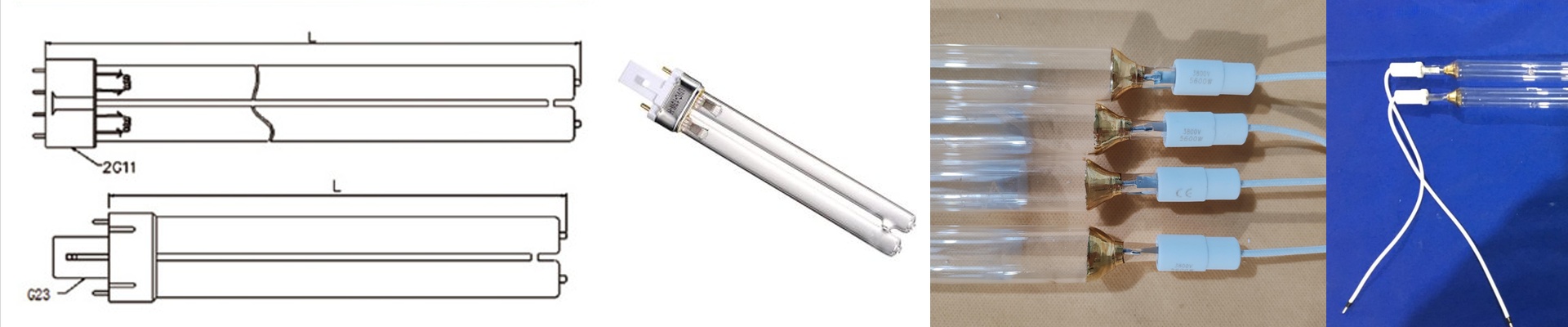
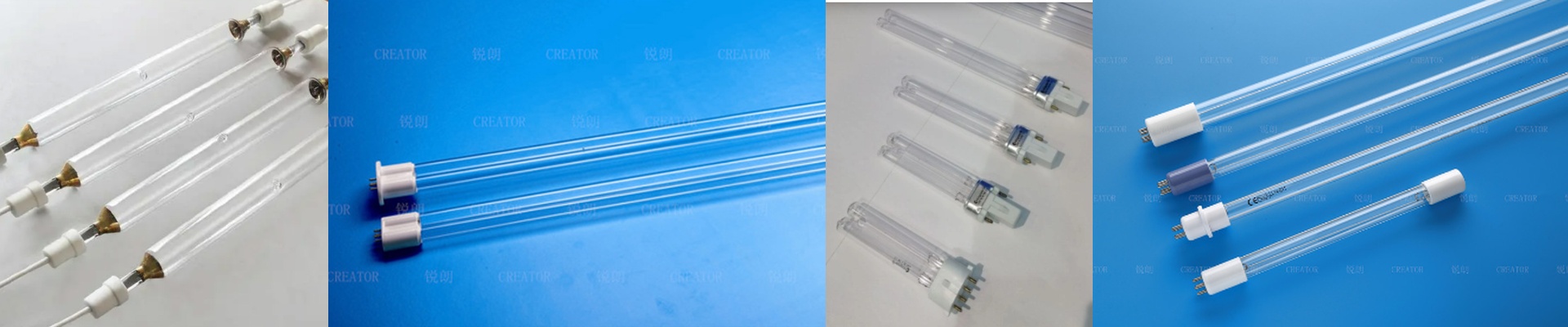
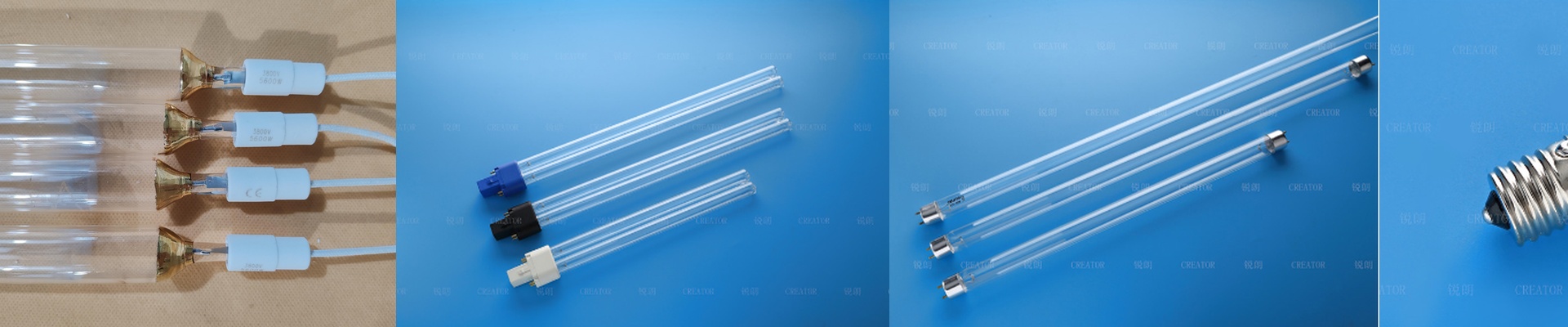
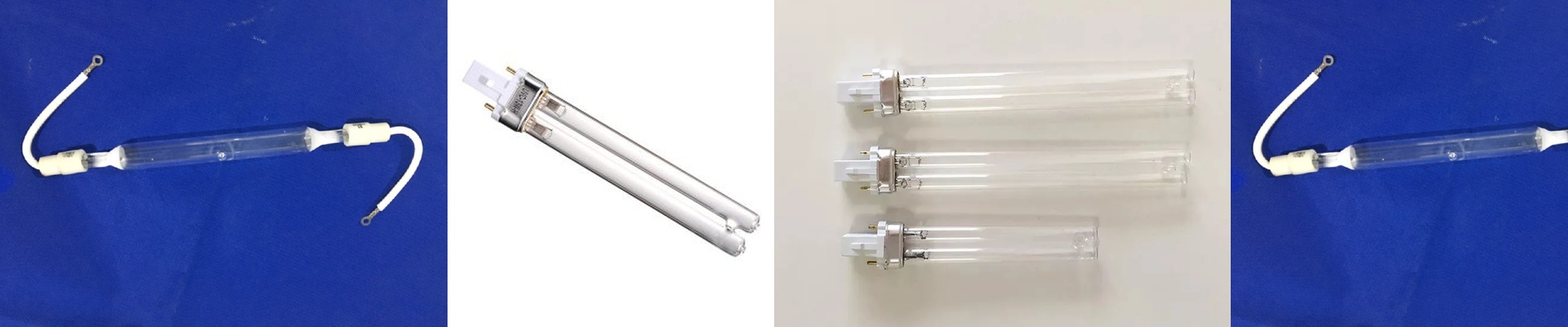
Heat is the enemy here. We spend a lot of time obsessing over the physical footprint and how the air moves around the lamp. We use specialized quartz glass because it lets the UV through without cracking under thermal shock. If you’re running a high-intensity setup, we’ll throw in forced-air cooling or water-cooled jackets. Why? Because when a lamp gets too hot, its output drops. That’s how you end up with those annoying “tacky” spots on your finished parts. To make things easier, we use standard connectors, so these just slide right into your existing rigs.
Making it All Work Together
Getting these lamps to play nice with an automated line comes down to the timing. We sync the ignition with your PLC so the light only hits the part when it’s actually there. It saves energy. It makes your lamps last longer. It just makes sense. But here’s a heads-up: if you try to cheat the clock by cranking the intensity to shorten cure times, your polymer might shrink. You’ll see warping if you push the wattage too high without tightening up your clamping pressure. We’ll help you dial in the power so you get the exact cross-linking density you need—nothing more, nothing less.