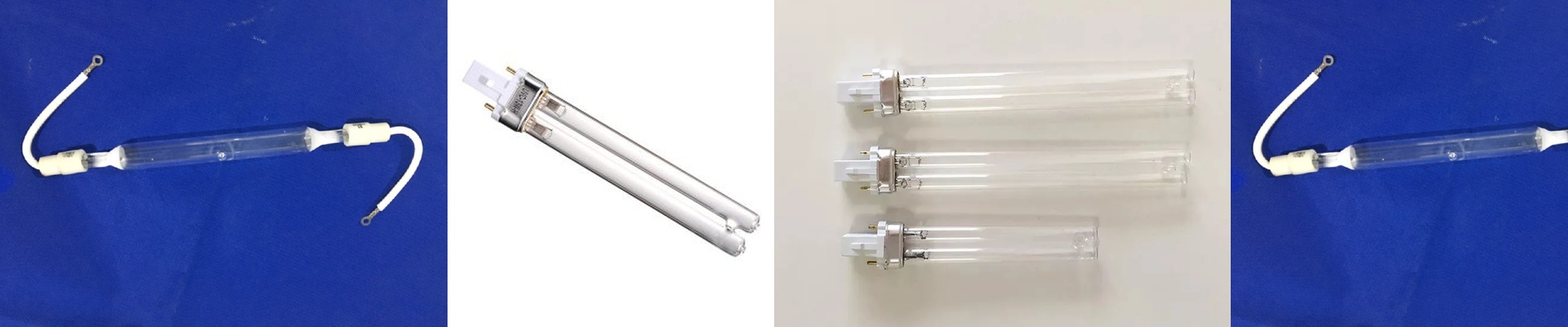
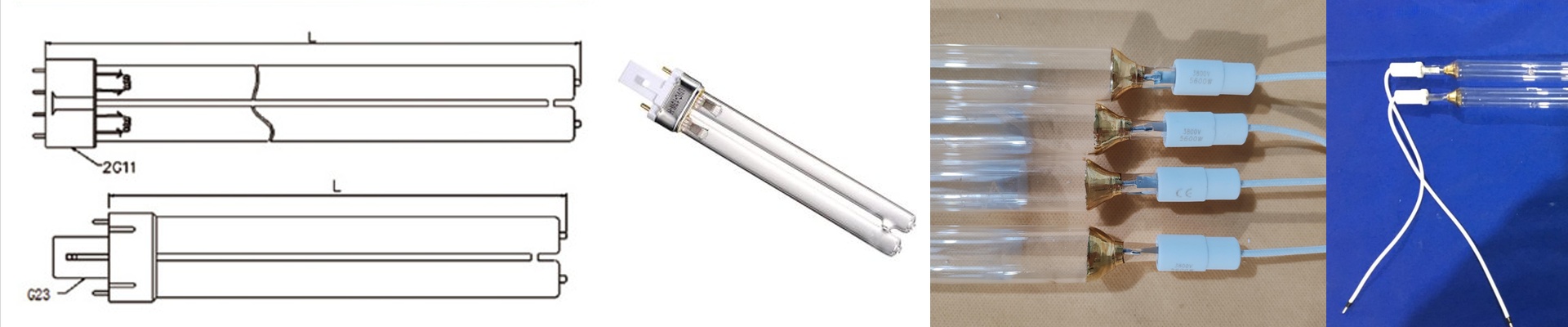


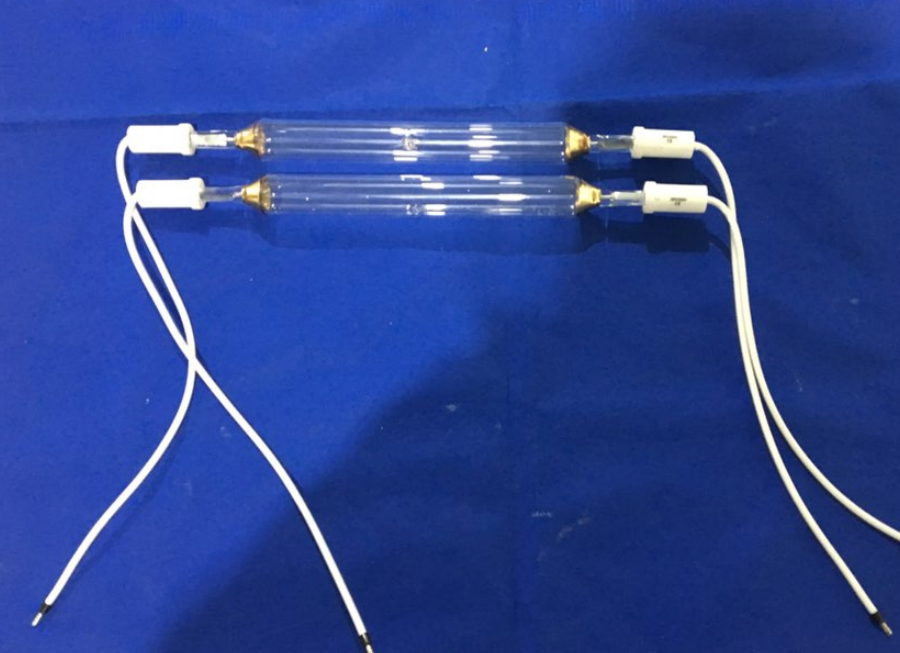
Why the CE Mark Actually Matters for Your UV Systems
When you’re sourcing custom UV lamps from China, it’s easy to get caught up in the numbers. You look at the wattage, the wavelength, the tube length—the usual suspects. But if those lamps are heading into a high-end production line in Europe or North America, the CE mark is about way more than just checking a box for customs. It’s basically your insurance that the lamp won’t blow a fuse or, worse, start a fire in your plant.
It’s Not Just a Label—It’s About the Noise
Here’s the thing about high-voltage UV systems: they can be electrically “noisy.” If you don’t have the right shielding or the right parts, that electromagnetic interference (EMI) leaks. It creeps into your PLC or your sensor lines and starts causing “ghost triggers.” One minute everything is fine, and the next, your system crashes for no apparent reason. Going through CE certification forces us to pick components that keep that noise under control. We’ve already done the hard work of validating the insulation and dielectric strength so you don’t have to play detective when your electronics start acting up.
The Balancing Act: Power vs. Heat
Getting a lamp to fit a specific footprint is the easy part. Making sure it doesn’t melt its own housing? That’s where it gets tricky. We use high-purity quartz and specific electrodes to make sure you hit your curing targets. But there’s a trade-off. If you push for maximum irradiance, you’re cranking up the heat. If you squeeze a high-wattage lamp into a tight space without the right cooling, it’s going to burn out fast. The CE process makes us look at the thermal design. It ensures the lamp stays cool enough that it doesn’t fail prematurely or put your operators at risk.
Sleeping Better at Night
For the engineers on the floor, a CE mark means the lamp is a plug-and-play part. It just works. You don’t have to spend your weekend rebuilding safety audits from scratch because the hardware is already vetted. In high-end markets, using non-certified gear is just a massive liability. We build to these standards so your line keeps humming along without some regulatory inspector shutting you down.