


Let’s Talk About UV Curing Bottlenecks
If you’re heading to the 2026 Printing Exhibition, you’ll see a lot of flashy booths. But for those of us in the OEM and ODM world, the real conversation is usually about one thing: the bottleneck. It’s a frustrating balancing act. You need enough power to cure the ink instantly, but if you push too hard, you end up scorching the substrate or melting your conveyor belt. It’s a headache we’ve spent a lot of time solving.
Getting the Power Right
Here’s the thing about high-speed digital presses—off-the-shelf lamps just don’t cut it. They aren’t built for that kind of pace. We build our modules to fit your specific line speed. We focus on the power density so the photoinitiators in your ink trigger the second they hit the light. But there’s a catch: high wattage means high heat. If your cooling isn’t in sync—whether you’re using air or water jackets—your materials will warp. It’s as simple as that.
The Nitty-Gritty of the Design
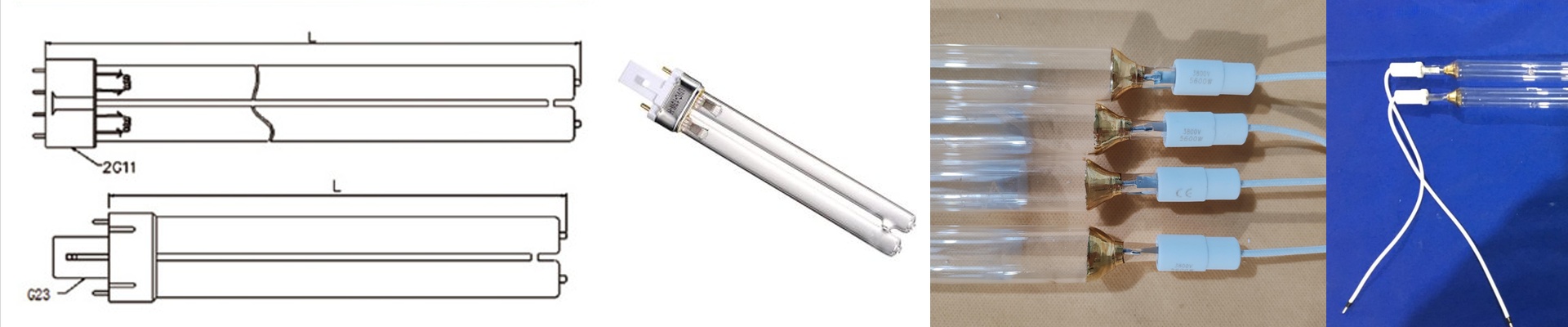
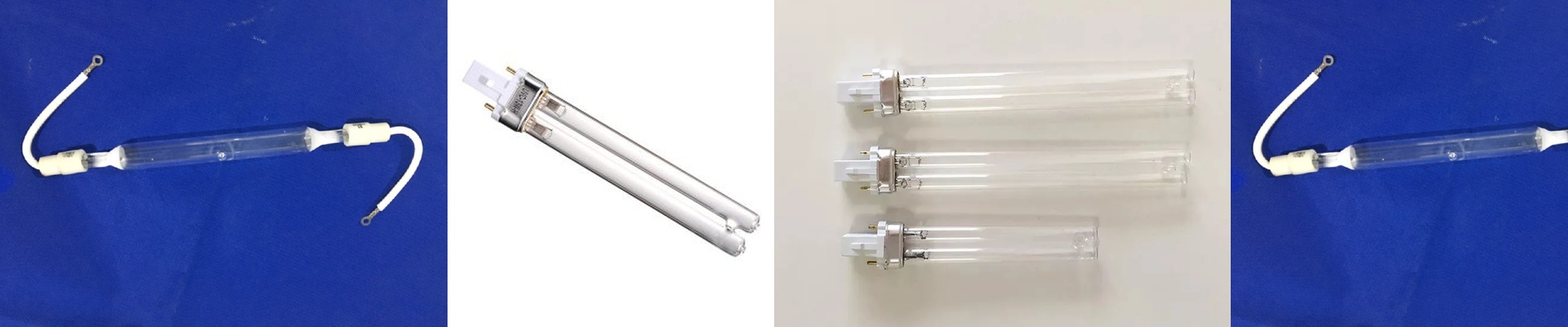
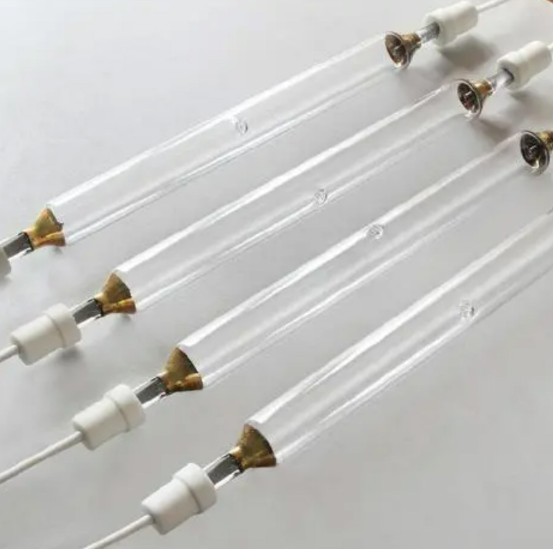
We spend a lot of time obsessing over the footprint. We tweak the housing and the reflector geometry to make sure the UV beam hits the web exactly where it needs to. No wasted light. We also use high-purity quartz glass. Why? Because it stops the UV from getting absorbed before it even reaches the ink. And we hate flimsy parts. You won’t find generic wiring here. We use heat-resistant leads that won’t get brittle or crack after a few hundred thermal cycles. Plus, we offer a variety of connectors, so these modules just slide right into your existing chassis without a fight.
Dealing with the Real-World Failures
Most UV setups fail at the connection points or because the venting is a mess. We fix this by cleaning up the airflow. By tightening the gap between the lamp and the reflector, we crank up the curing intensity. This gives you a choice: you can either speed up your production line or lower the lamp height to save on energy. Just a heads-up, though. If you run everything at max intensity, your lamps won’t last as long. We’ll give you the data curves so you can decide where you want to sit on the scale between raw power and replacement intervals.