


Stopping the Flicker: Dealing with EMI in Custom UV Lamps
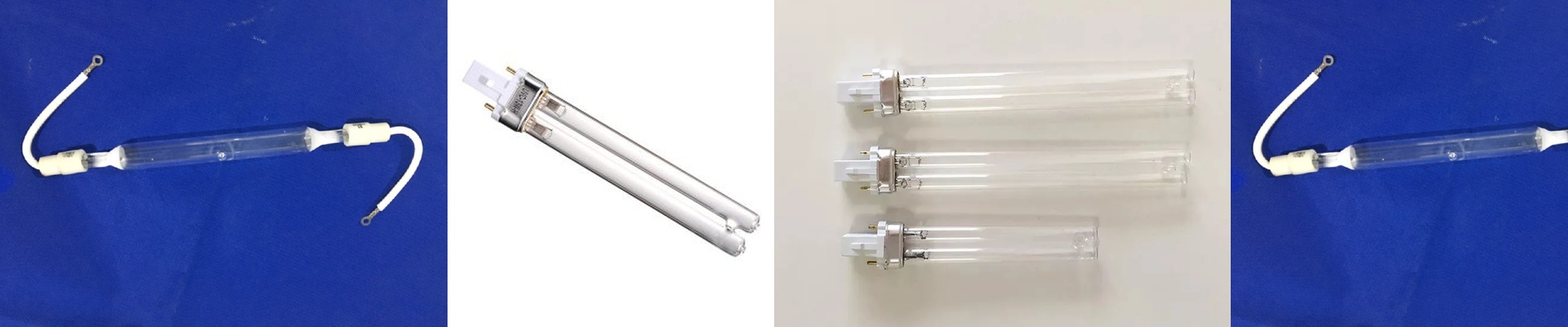
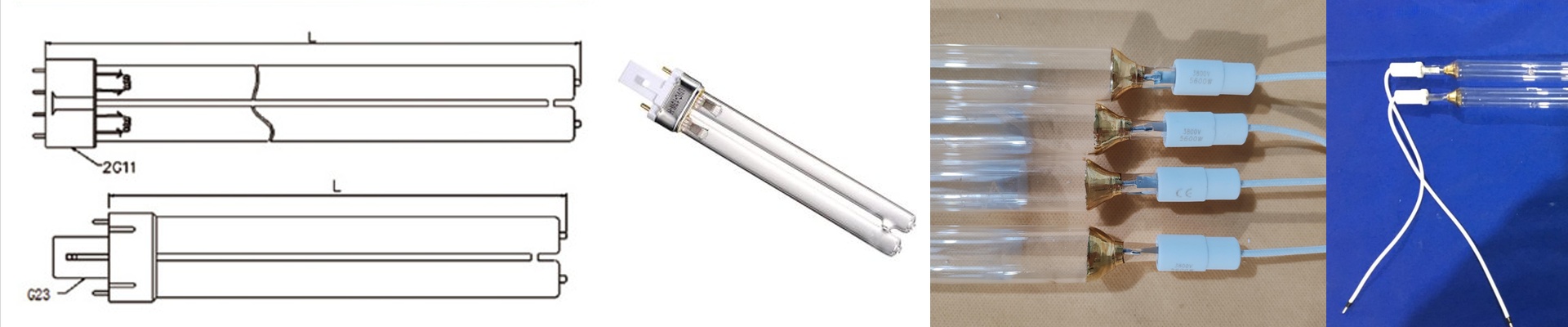
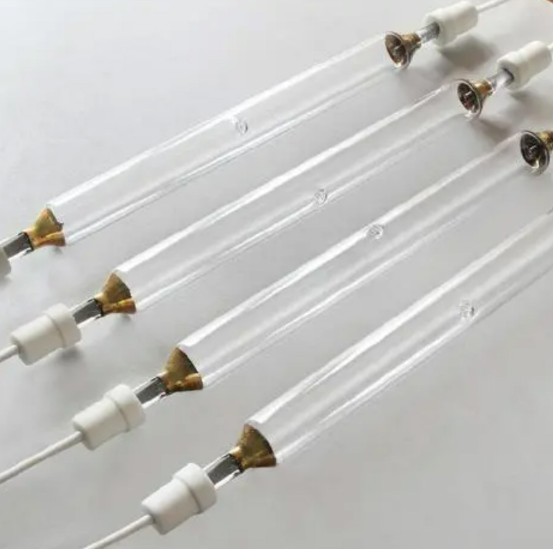
If you’ve got a few large-scale printing presses running in one room, you know exactly how chaotic the electrical environment gets. Between the high-voltage ballasts and those heavy motor drives, there is a ton of “electrical noise” floating around. It’s a nightmare. That noise loves to leak into UV curing systems. One minute everything is fine, and the next, your lamps are flickering or just burning out way too early. We’ve seen it a thousand times. That’s why we build our custom lamps to actually survive on a real shop floor, not in a perfect lab. Keeping things steady A UV system only works if the power hitting it is clean. But in a crowded production line, you’ve got voltage spikes and distortions coming from every other machine nearby. It makes the arc unstable. We fix this by cleaning up the internal impedance and using heavy-duty shielding. It stops that annoying “stutter” you get with the cheap stuff. We basically isolate the lamp’s electrical path so it doesn’t care what the rest of the factory is doing. You just get a steady, constant UV output. The catch with high power To get the speeds you need for industrial work, we have to push a lot of wattage through the quartz envelope. It’s the only way to snap-cure those inks and coatings instantly. But here is the thing: all that energy creates a lot of heat. If your cooling fans are choked with dust or your airflow is blocked, that heat has nowhere to go. It’ll eat your lamp’s lifespan alive. Our lamps are built for high performance, but they need you to keep the cooling system dialed in. Fitting them into your setup We designed these to be simple drop-in replacements. The best part? Because we handled the interference side of things, you don’t have to call an electrician to rewire your entire power grid just to stop a lamp from blinking. You just plug them in, get a consistent cure, and stop wasting time swapping out dead tubes.