


Getting the Most Out of Your 80W/cm Mercury UV Lamp
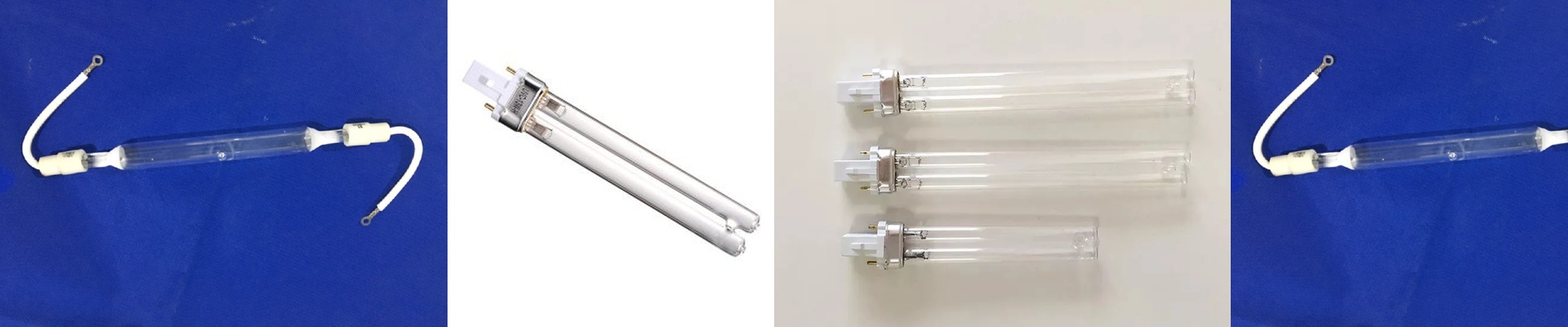
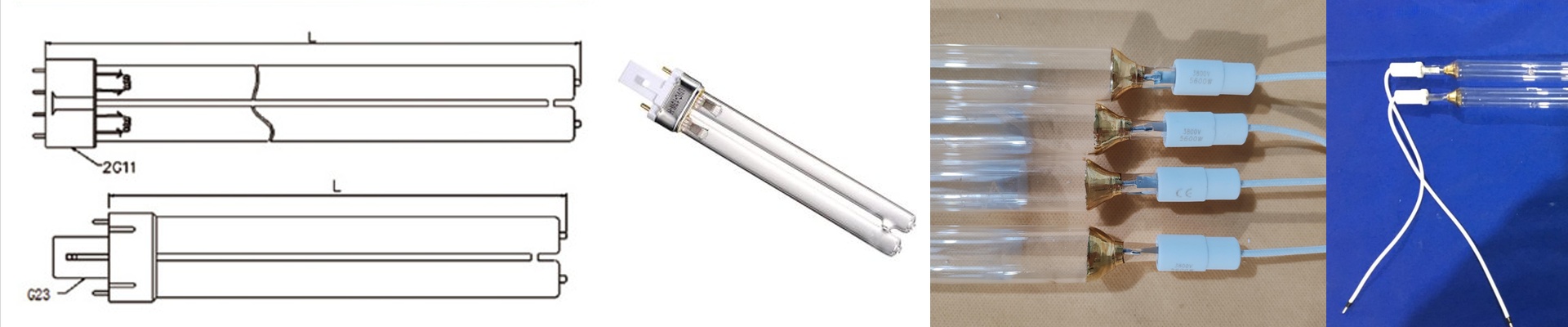
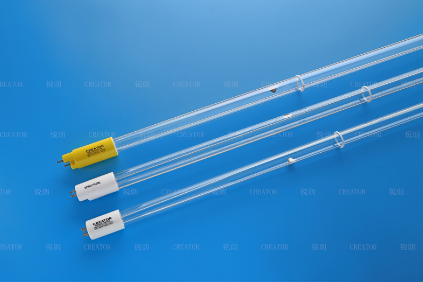
We built our 80W/cm mercury UV lamp for the people who are tired of choosing between “basic” and “overkill.” It’s designed to sit right in that sweet spot where you can actually scale up your production without losing your mind over quality control. When you’re pushing thousands of units through a line every hour, you aren’t just “drying ink.” You’re fighting a battle with chemistry. You need the right amount of energy hitting the surface every single time so those chemical bonds actually lock in. Dealing with the Heat Here is the thing: 80W/cm is a lot of power. It’s exactly what you need for those stubborn, thick coatings or fast-curing resins, but it gets hot. Like, really hot. To keep the lamp from warping or cracking under that pressure, we use high-purity quartz glass. It’s tough. But the lamp can’t do all the heavy lifting alone. You’ve got to make sure your cooling—whether you’re using air or water jackets—is actually up to the task. If the lamp overheats, your UV output drops and the bulb dies way sooner than it should. It’s a simple trade-off. Why Mercury Still Wins You’ve probably heard a lot about LEDs lately. But for a lot of jobs, mercury is still the way to go. It hits those UVC and UVB peaks that allow the light to punch deep into the material. This means no more “under-cured” patches or the nightmare of coatings peeling off a week later. It’s a bit of a brute-force method, sure, but it works with a much wider range of photoinitiators than the newer systems. It just gets the job done. Keeping Things Running We made these to be drop-in replacements. You shouldn’t have to rebuild your entire conveyor just to get them working. One quick tip: make sure your ballast is stable. If it flickers, your curing will be uneven, and you’ll be staring at a pile of rejects. Also, remember that these tubes don’t last forever. They fade. The best move is to keep a log of your run-hours. Once you notice the output dipping, swap the lamp out. It’s much cheaper to replace a bulb on a Tuesday morning than to deal with a production bottleneck on a Friday afternoon.