
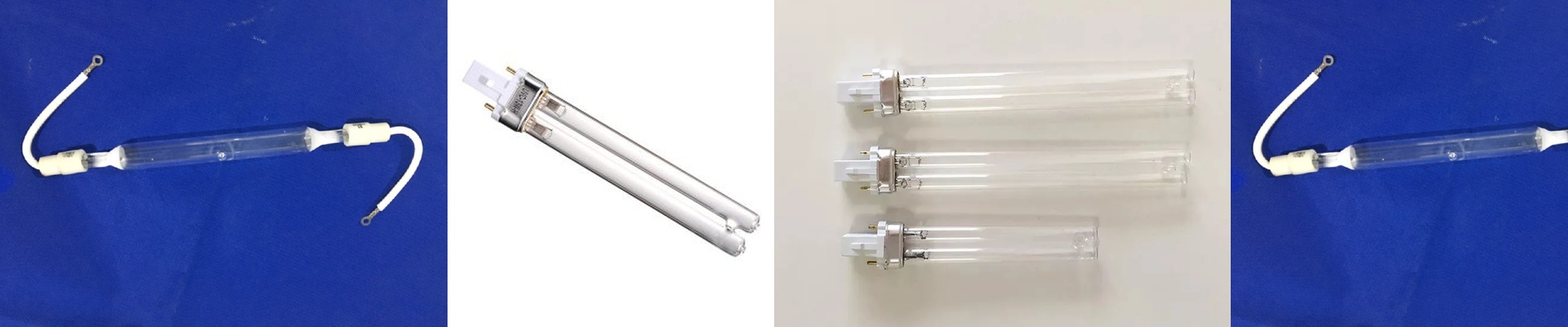

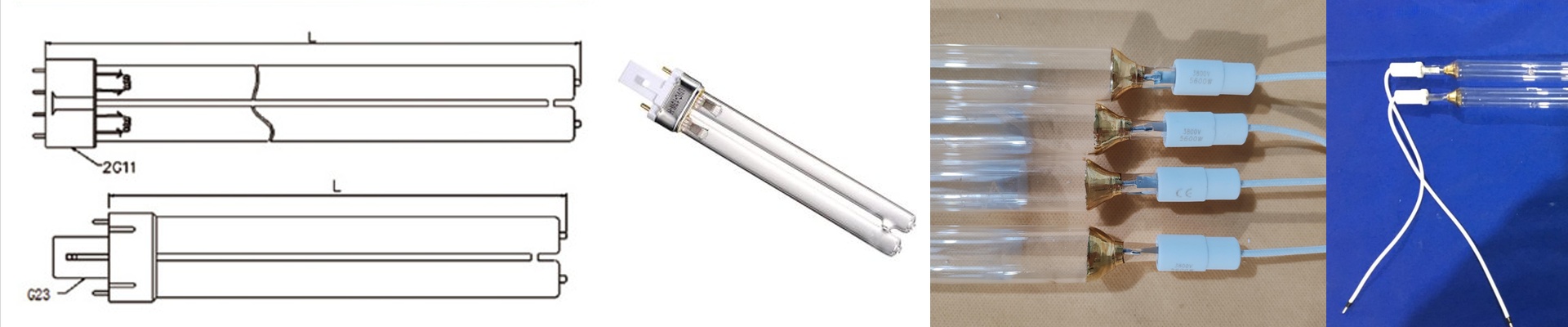


Stop Worrying About Customs: The Truth About UV Sterilization
When you’re picking out a UV sterilization system to ship overseas, the technical specs are only half the story. The other half? The legal headache. Here’s the thing: using generic UV lamps is a gamble. You might save a few bucks upfront, but you’re leaving the door wide open for intellectual property disputes the moment your gear hits a customs port. We do things differently. We use systems backed by our own independent patents so you can sleep better knowing your bottom line is safe. Why proprietary design actually matters Most standard UV lamps are just copies of old designs. The problem is, those designs often overlap with international patents. We didn’t want to play that game. Instead, we built our own circuitry and electrode setups from the ground up. We aren’t just copying a datasheet. Because we own the internal architecture of the lamp, the hardware in your machines won’t get flagged as an infringement during an export audit. It just works. Keeping your shipment moving Trade laws are brutal. One random patent claim and your entire shipment of industrial equipment is frozen at the docks. It’s a nightmare. We handle all the IP filings on our end. That way, you don’t have to spend your time fighting off “patent trolls” or dealing with competitors trying to block your product. Your gear stays compliant, and your supply chain keeps moving. Simple as that. A quick word on the engineering Now, there is a trade-off. Our high-end patented systems are more energy-efficient and last way longer than the cheap stuff. But that precision means you can’t just “plug and play” them into any old housing. If you drop a high-output lamp into a low-grade fixture without checking the thermal dissipation, you’re going to have a problem. The energy density is higher, so if your cooling isn’t dialed in, the lamp will burn out way too fast. We don’t just ship you a tube and wish you luck. We work with you to make sure your wiring and cooling are exactly where they need to be for the specific wattage you’re using.